Basic Specifications of 18650 Batteries
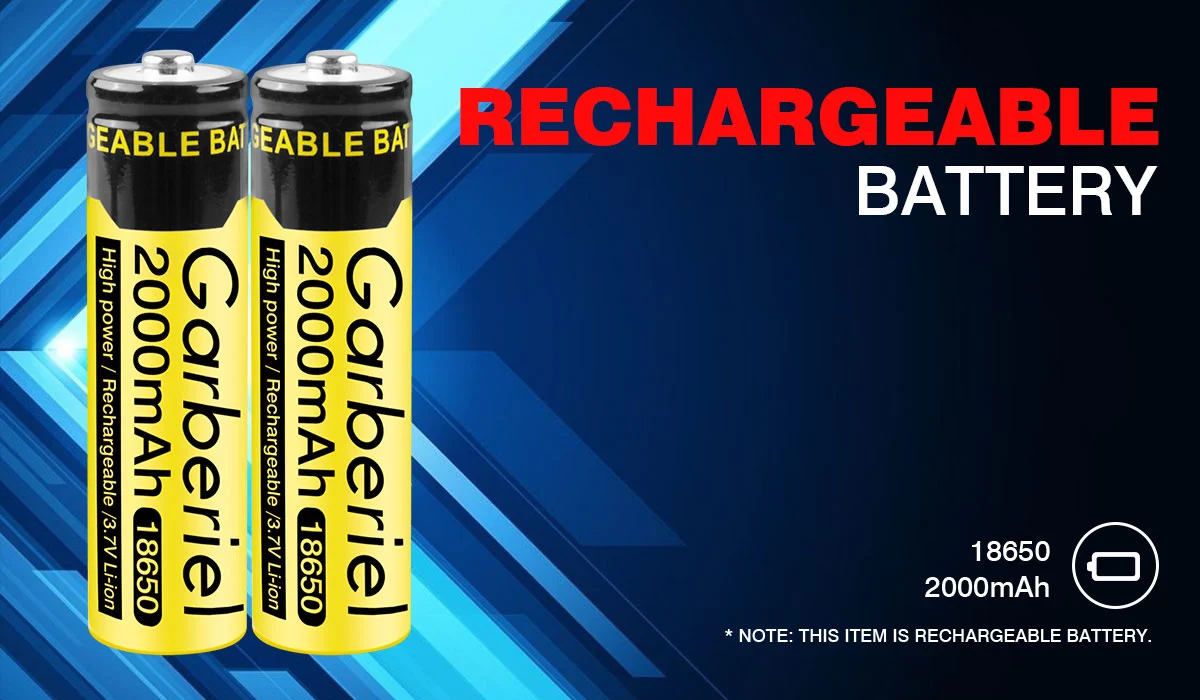
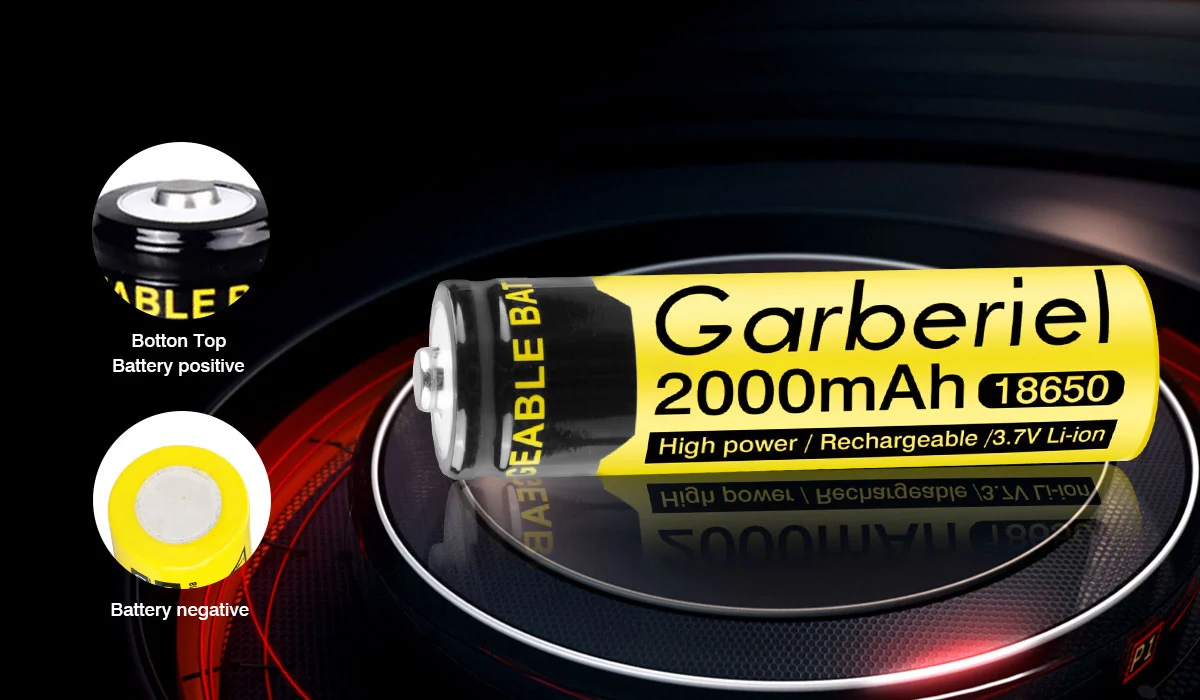
The name "18650" refers to the battery’s dimensions—18mm in diameter and 65mm in length. These cylindrical batteries typically have a capacity range of 2000mAh to 3500mAh and an average voltage of 3.6V or 3.7V. Thanks to their standardized size, they are interchangeable across many devices.
Applications of 18650 Batteries
18650 batteries are incredibly versatile and are used in a wide range of products:
- Consumer Electronics: They power flashlights, headlamps, laptops, power banks, and more.
- Power Tools and Transportation: Their high discharge rates make them ideal for electric tools, drones, electric bikes, and even electric vehicles.
- Outdoor Equipment: These batteries are frequently used in camping lanterns and other outdoor lighting gear, providing dependable energy for long outdoor adventures.
Advantages of 18650 Batteries
18650 batteries have several key advantages:
- High Energy Density: They can store a large amount of energy in a compact space, which allows for extended device usage without frequent recharging.
- Rechargeability and Long Lifespan: These batteries can be recharged hundreds of times before their capacity begins to degrade, making them more eco-friendly and cost-effective compared to disposable batteries.
- Wide Compatibility: 18650 batteries are compatible with many devices, especially those that require high current output.
Types of 18650 Batteries
Not all 18650 batteries are created equal. They come in two main types:
- Protected vs. Unprotected Batteries: Protected batteries have built-in circuits that prevent overcharging, over-discharging, and overheating, making them safer for general use. Unprotected batteries are more vulnerable to these risks and are typically used in specialized applications.
- Different Chemistries: The most common 18650 battery is lithium-ion (Li-ion), known for its high energy density. Another type is lithium iron phosphate (LiFePO4), which provides greater stability and a longer cycle life but has a lower energy density.
How to Choose the Right 18650 Battery
When choosing an 18650 battery, consider the following factors:
- Device Requirements: The battery’s capacity and discharge rate should match the needs of the device you’re powering. Devices requiring high current, like power tools, benefit from high-discharge batteries, while low-current devices may require less demanding batteries.
- Quality and Brand: Purchasing from reputable brands ensures both performance and safety. Well-known brands offer better protection against common battery hazards.
- Choosing the Right Charger: Always use a charger designed for 18650 batteries. Overcharging or undercharging can damage the battery or reduce its lifespan.
Safety Tips for 18650 Batteries
Safety is crucial when handling powerful batteries like the 18650:
- Usage Precautions: Avoid short-circuiting the battery or exposing it to extreme heat. Never let the battery discharge completely, and don’t leave it charging unattended.
- Storage and Transportation: Store 18650 batteries in a cool, dry place away from metallic objects that might cause a short circuit. Use protective cases when transporting them to avoid accidents.
Conclusion
18650 batteries are a cornerstone of modern portable power solutions. Their high energy density, rechargeable nature, and versatility make them ideal for a wide range of devices. By understanding their specifications, applications, and safety tips, you can make better choices when using or purchasing these batteries for your needs.


