When it comes to outdoor adventures, having the right equipment is essential to ensure both safety and enjoyment. Whether you're setting up a tent in the wilderness, hiking in the mountains, or exploring a cave, visibility is crucial, especially in low-light conditions. This is where a reliable LED headlamp comes into play.
When it comes to outdoor adventures, having the right equipment is essential to ensure both safety and enjoyment. Whether you're setting up a tent in the wilderness, hiking in the mountains, or exploring a cave, visibility is crucial, especially in low-light conditions. This is where a reliable LED headlamp comes into play. A well-chosen headlamp can make all the difference between a smooth adventure and a frustrating experience. But with so many options available, how do you choose the best one for your needs? This guide will walk you through the key features to consider, compare popular models, and provide maintenance tips to help you make an informed decision.
Key Features to Consider When Choosing an LED Headlamp
Selecting the right LED headlamp involves more than just picking the brightest one. There are several important factors to consider that will affect its performance in different outdoor settings:
-
Waterproofing:
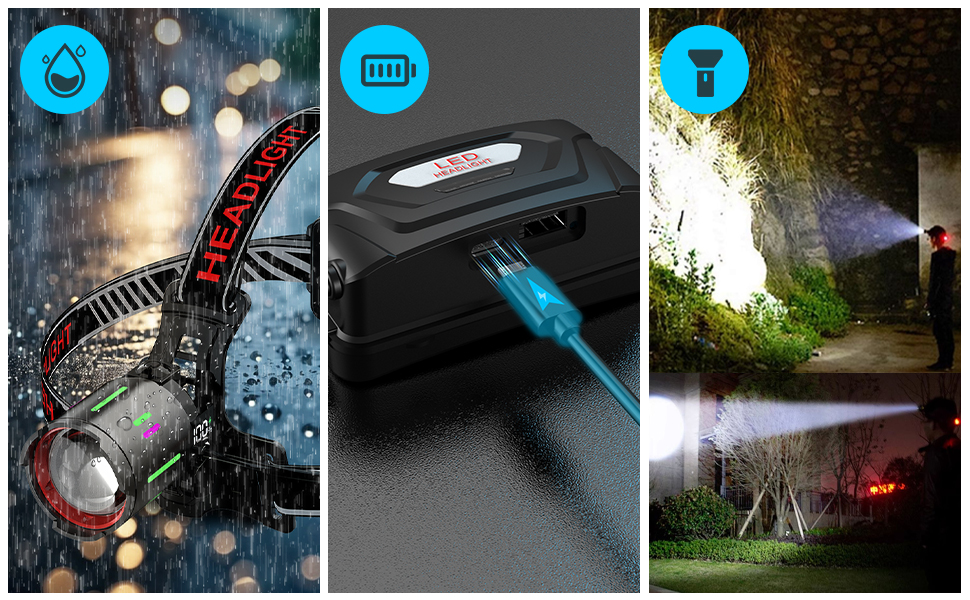
For outdoor enthusiasts, weather conditions can be unpredictable. A sudden rainstorm or accidentally dropping your headlamp in a stream shouldn’t render it useless. That's why waterproofing is a critical feature to consider. Look for headlamps with an IPX rating of at least IPX4, which indicates resistance to splashes from any angle. If you’re engaging in more extreme conditions, such as kayaking or spelunking, consider headlamps rated IPX7 or above for complete waterproof protection.
-
Battery Life:
Battery life is another essential factor, especially if you plan to be out for extended periods. A headlamp with a longer battery life ensures that you won’t be left in the dark unexpectedly. Some models feature multiple brightness settings, allowing you to conserve energy by switching to a lower setting when high power isn’t necessary. Rechargeable headlamps, in particular, have become popular due to their long-lasting performance and eco-friendliness.
-
Beam Adjustment:
A versatile beam adjustment system can significantly enhance your experience by allowing you to switch between a wide floodlight and a focused spotlight. This is useful for various tasks, such as setting up camp, cooking, or navigating a trail. Some advanced models also offer red light or strobe modes for added functionality.
Comparing the NAKCNM Headlamp with Other Popular Models
To help narrow down your choices, let's take a closer look at the NAKCNM Headlamp and how it stacks up against some popular alternatives:
-
NAKCNM Headlamp:
The NAKCNM headlamp is designed with outdoor enthusiasts in mind, offering a balance between power and versatility. It features a 230-degree wide-angle illumination, which provides broader coverage than traditional spotlights. With a maximum brightness of 1000 lumens and multiple modes, it’s well-suited for camping, night hiking, and even running. Additionally, it has an IPX6 waterproof rating, making it resilient against heavy rain and splashes.
-
Black Diamond Spot 400:
The Black Diamond Spot 400 is a compact yet powerful option, boasting a maximum brightness of 400 lumens. It’s equipped with a range of lighting modes, including proximity and distance settings, making it a good all-rounder. Its IPX8 waterproof rating means it can withstand submersion in water, a step up from the NAKCNM in terms of protection.
-
Petzl Actik Core:
The Petzl Actik Core is another popular choice, offering a mix of rechargeable and replaceable battery options. It delivers 450 lumens and has a red light mode to preserve night vision. Although its waterproof rating is only IPX4, it’s sufficient for light rain. This headlamp is lightweight and ideal for multi-day treks where weight matters.
Benefits of Using Rechargeable Headlamps vs. Traditional Options
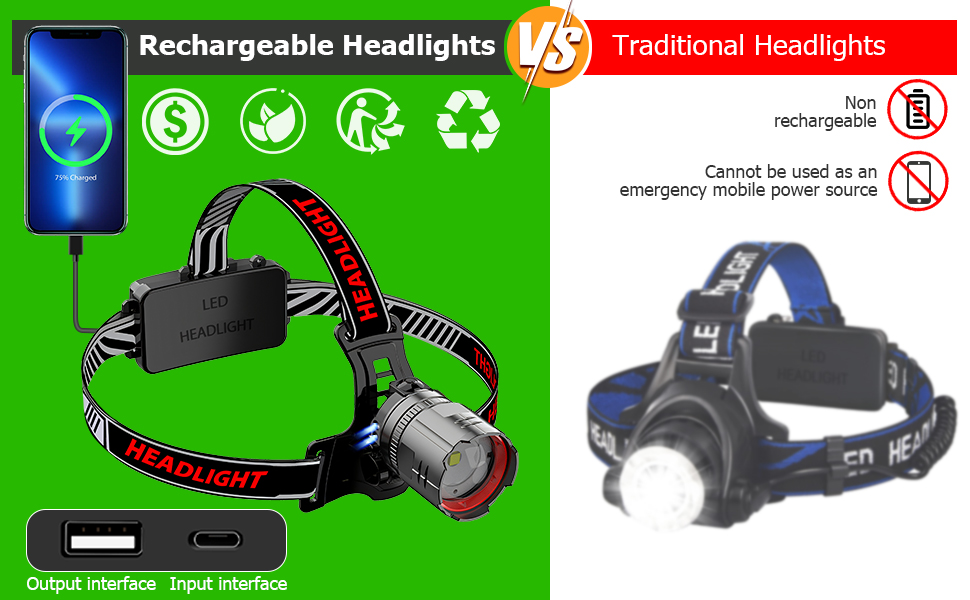
Rechargeable headlamps have gained traction in recent years due to their convenience and environmental benefits. Here are a few reasons why you might want to choose a rechargeable model:
-
Cost-Effective:
While rechargeable headlamps may have a higher upfront cost, they save money in the long run by eliminating the need for disposable batteries. Frequent adventurers can benefit significantly from this, as the cost of AA or AAA batteries can add up quickly.
-
Eco-Friendly:
Disposable batteries are not only costly but also contribute to environmental waste. Rechargeable models reduce this impact, making them a more sustainable choice for eco-conscious hikers and campers.
-
Consistent Performance:
Rechargeable headlamps typically maintain their brightness levels better than traditional battery-powered models, ensuring consistent illumination throughout your trip.
Tips for Maintaining and Maximizing the Lifespan of Your Headlamp
To get the most out of your headlamp, proper maintenance is key. Follow these tips to keep your headlamp in peak condition for years to come:
-
Store It Properly:
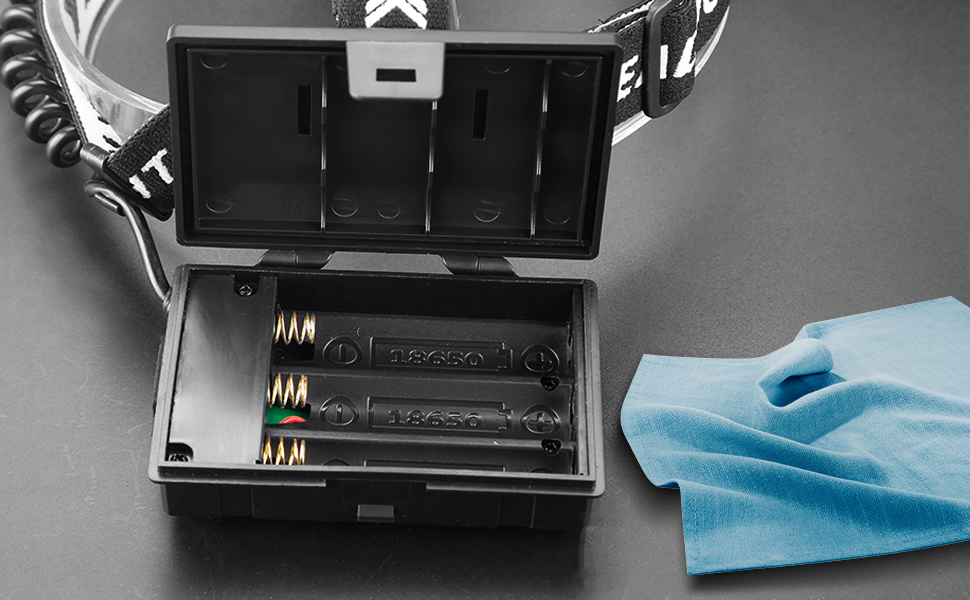
When not in use, remove the batteries or ensure the rechargeable unit is not left plugged in. This prevents battery drain and potential damage.
-
Clean Regularly:
Dust, dirt, and moisture can accumulate on the lens and affect performance. Use a soft cloth to gently clean the exterior and interior components.
-
Check for Damage:
Before each outing, inspect your headlamp for any signs of wear or damage, such as cracks in the casing or fraying straps. Address any issues before heading out to prevent malfunctions in the field.
-
Use the Correct Settings:
Utilize lower brightness settings whenever possible to extend battery life and avoid overheating. This will not only preserve battery life but also reduce strain on the LED components.
Conclusion
Choosing the right LED headlamp for your outdoor adventures can greatly enhance your experience, providing reliable illumination in challenging environments. When selecting a headlamp, consider factors like waterproofing, battery life, and beam adjustment. Rechargeable headlamps, such as the NAKCNM model, offer many advantages over traditional options, including cost savings and environmental benefits. By taking the time to assess your needs and understanding the key features, you can find the ideal headlamp to light up your next adventure.


