Choosing the right solar flood light, however, can be challenging due to the wide range of options available. This guide will help you understand what to look for in a solar flood light, ensuring you select the ideal option for your garden.
Why Solar Flood Lights are Essential for Gardens
Solar flood lights are more than just a decorative addition to your outdoor space. They can enhance the overall appearance of your garden, providing accent lighting that highlights paths, flower beds, and other features. Beyond aesthetics, solar flood lights serve a functional purpose by offering a safe, eco-friendly lighting solution that is powered by renewable energy. They’re especially useful for homeowners looking to boost security around their property, as a well-lit garden can deter potential intruders.
Key Factors to Consider When Choosing Solar Flood Lights
When selecting a solar flood light for your garden, several factors come into play. Understanding these will help you make an informed decision that meets both your aesthetic and practical needs.
-
Brightness Brightness is one of the most important considerations when choosing a solar flood light. The brightness of a flood light is typically measured in lumens. A higher lumen count indicates a brighter light. Depending on your needs, you may want a light that emits a soft glow for ambiance or a more powerful light for security purposes. A range of 300 to 700 lumens is generally suitable for garden lighting. If you’re looking for maximum security, opt for a model with over 1,000 lumens.
-
Battery Life The battery life of a solar flood light is crucial as it determines how long the light will stay on during the night. Longer battery life is essential if your area does not receive consistent sunlight. Most solar lights use rechargeable lithium-ion batteries, which vary in capacity. Check the specifications for both battery capacity and charging time. A light with a larger battery capacity and efficient solar panel will be more reliable in providing consistent lighting throughout the night.
-
Waterproof and Weather Resistance Since these lights are designed for outdoor use, they must be able to withstand various weather conditions, including rain, snow, and high humidity. Look for solar flood lights with a waterproof rating of IP65 or higher, which indicates strong resistance to water and dust. A high-quality, weather-resistant light will have a longer lifespan and require less maintenance.
Types of Solar Flood Lights
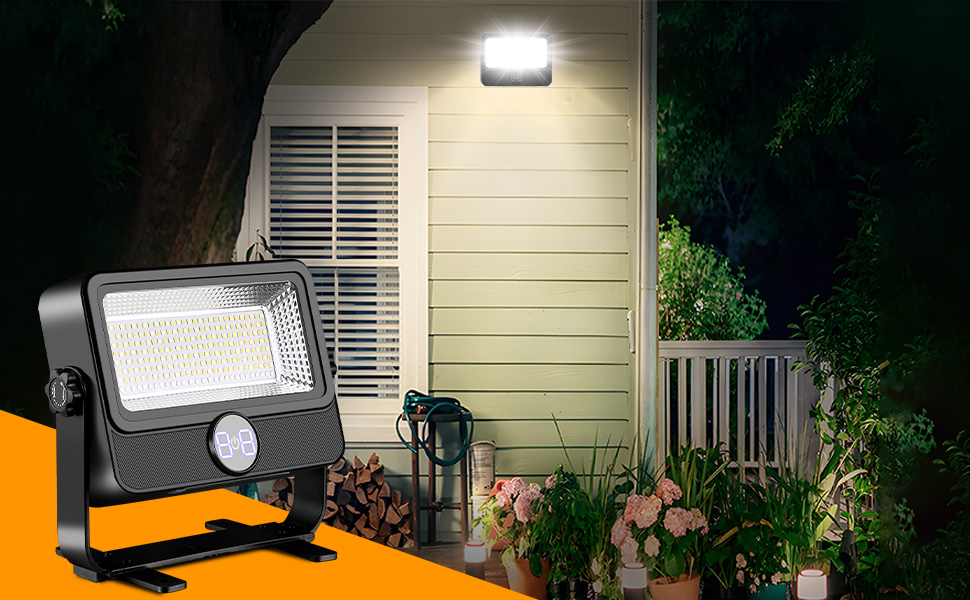
There are several types of solar flood lights available on the market, each designed for different uses and preferences. Understanding these types will help you choose the best one for your garden:
-
Motion Sensor Solar Flood Lights These lights activate only when motion is detected, making them ideal for security purposes. They help conserve battery life since they only turn on when needed. Consider motion sensor lights if you want to illuminate pathways or the perimeter of your garden.
-
Dusk-to-Dawn Solar Flood Lights These models automatically turn on at sunset and off at sunrise, providing consistent lighting throughout the night. They are great for homeowners looking for all-night illumination without manual intervention.
-
Adjustable Solar Flood Lights With adjustable heads and panels, these lights allow for precise lighting angles and maximum sun exposure for the solar panel. They’re perfect for targeting specific areas of your garden, such as a statue, pond, or particular tree.
-
Decorative Solar Flood Lights Designed more for aesthetics than function, decorative solar flood lights add charm and ambiance to your garden. They come in a variety of shapes, colors, and patterns, enhancing the overall look of your outdoor space.
Tips for Installation and Placement
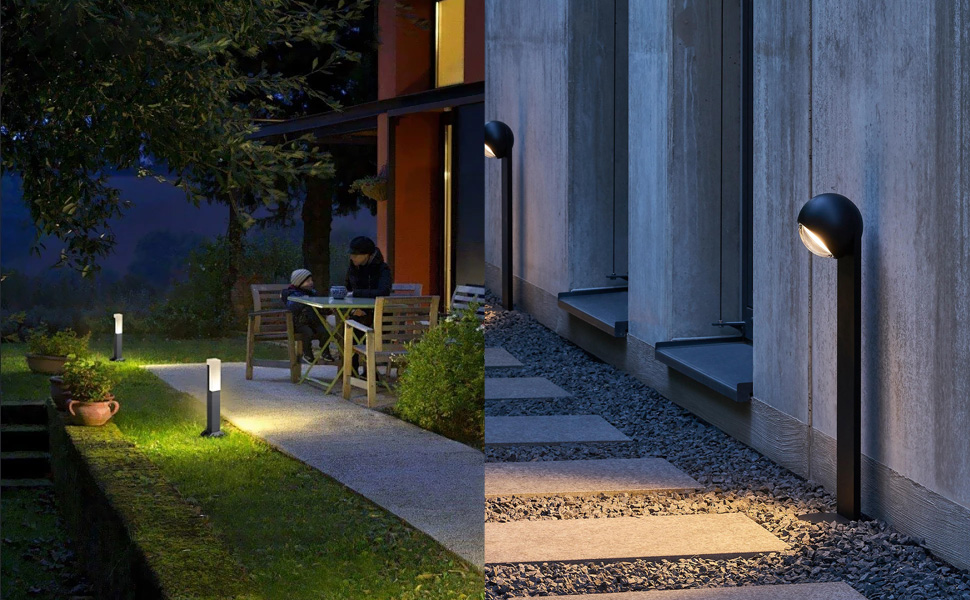
Proper installation and placement are crucial for optimal performance of your solar flood lights. Here are a few tips to ensure you get the most out of your lights:
-
Place the Solar Panel in Direct Sunlight: Position the solar panel in an area that receives maximum sunlight throughout the day. Ensure there are no obstructions, such as trees or buildings, that might block sunlight.
-
Angle the Lights Appropriately: Depending on the model, adjust the angle of the lights to achieve the desired coverage. For security purposes, aim the lights at entry points like gates, windows, or walkways.
-
Install at a Suitable Height: For broader coverage, mount the lights at a higher position. Typically, 6 to 10 feet off the ground is recommended for garden flood lights.
-
Avoid Shaded Areas: Since solar lights depend on sunlight to charge, installing them in shaded or partially shaded areas will limit their effectiveness.
Maintenance Tips to Prolong the Lifespan of Your Solar Flood Lights
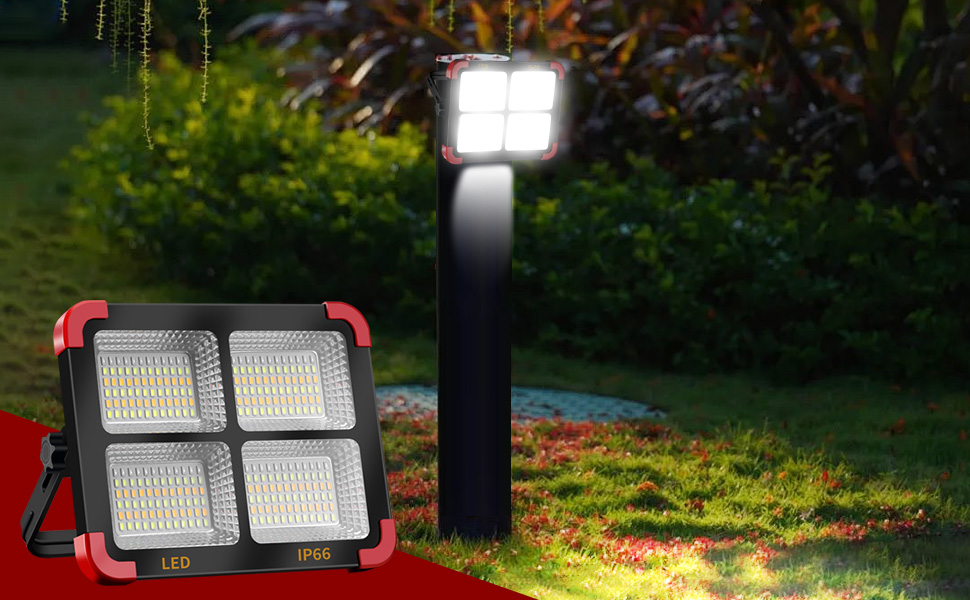
Regular maintenance is essential to keep your solar flood lights functioning optimally. Here’s how you can extend the lifespan of your garden lights:
-
Clean the Solar Panels Regularly: Dirt, dust, and debris can accumulate on the solar panels, reducing their efficiency. Clean them with a damp cloth every few months to ensure maximum sunlight absorption.
-
Check for Damage: Inspect your lights periodically for any signs of damage, such as cracks in the panels, loose wiring, or water leakage. Addressing minor issues promptly can prevent larger problems in the future.
-
Replace Batteries When Necessary: Over time, the batteries in your solar flood lights may degrade. Replacing them every 2-3 years will help maintain brightness and reliability.
-
Store During Severe Weather: If you live in an area with harsh winters or frequent storms, consider storing your solar lights indoors during extreme weather to protect them from damage.
Final Thoughts
Choosing the right solar flood light for your garden involves a balance between aesthetics and functionality. By considering factors such as brightness, battery life, and waterproof features, you can find a solution that enhances both the beauty and security of your outdoor space. Remember to choose a type that suits your specific needs and install it correctly for the best results. With proper maintenance, your solar flood lights can provide years of reliable service, making your garden not just more beautiful, but safer and more eco-friendly.


