Solar-powered lighting has become an important part of modern camping culture. As outdoor enthusiasts look for convenient and energy-saving options, improvements in solar panels, batteries, and smart systems are shaping the next generation of lighting gear. This article explores some of the key technological developments and how they are changing the way we light our campsites.
1. More Efficient Solar Panels
Recent advances in photovoltaic technology have made solar panels more efficient in capturing sunlight, even under partial shade. Newer materials and improved cell designs allow compact camping lights to generate power during shorter charging windows.
For campers, this means solar lanterns and work lights can stay powered for evening activities without relying heavily on external charging sources. Even on cloudy days, modern panels can produce usable energy, helping maintain stable lighting throughout the trip.

2. Higher-Capacity and Longer-Lasting Batteries
Battery technology has progressed significantly in recent years. Many solar camping lights now use lithium-ion or lithium iron phosphate (LiFePO₄) batteries, which offer better energy density, longer cycle life, and more stable performance.
These upgrades allow users to enjoy longer illumination times with shorter charging periods. For longer camping trips, the combination of efficient solar charging and durable batteries helps maintain consistent brightness from dusk to dawn.

3. Smarter Lighting Control Systems
Intelligent control systems are becoming more common in outdoor lighting devices. Features such as brightness adjustment, motion detection, and automatic power management help make solar lights more responsive to different environments.
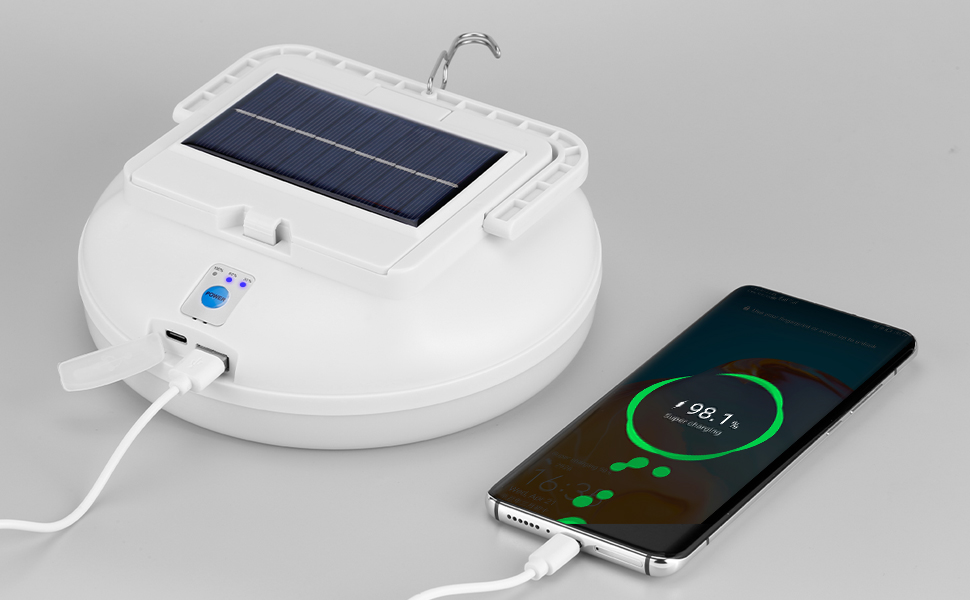
Smart controls can optimize power usage, extending battery life by adjusting brightness according to surroundings. Some models also include USB output for emergency device charging, adding practical value to a compact light.
4. Toward a More Sustainable Camping Future
As outdoor recreation continues to grow, sustainability has become a priority for many campers. Solar lighting reduces dependence on disposable batteries and fossil-fuel generators, offering a cleaner solution for night-time illumination.
With continued improvements in solar efficiency, battery durability, and smart energy management, the future of camping lighting is moving toward gear that requires fewer manual interventions and delivers more reliable performance in diverse conditions.


