A reliable source of light not only ensures safety but also enhances your overall camping experience. But with so many options available, how do you choose the right one? Let’s break it down from three key perspectives: type of light, power source, and usability.
When you’re heading out for your first camping trip, one of the most crucial things to consider is how you’ll keep your campsite illuminated. A reliable source of light not only ensures safety but also enhances your overall camping experience. But with so many options available, how do you choose the right one? Let’s break it down from three key perspectives: type of light, power source, and usability.
1. Types of Camping Lights
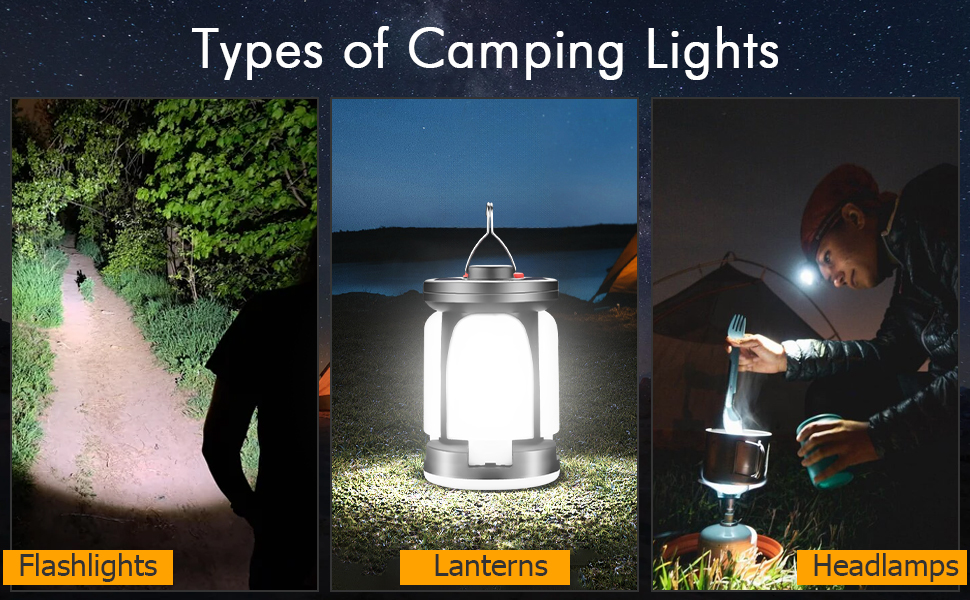
There are various types of camping lights, each with its own strengths and weaknesses. Understanding these can help you pick the best option for your needs.
- Flashlights: These are portable and typically powerful, making them ideal for navigating through dark trails. However, they may not provide the wide-area lighting needed for a campsite.
- Lanterns: Lanterns offer 360-degree illumination, perfect for lighting up a larger area. Some models are collapsible and lightweight, making them easy to pack. However, they can be bulkier and heavier than other options.
- Headlamps: Headlamps are hands-free, making them perfect for tasks like setting up a tent or cooking in the dark. The downside is that their focused beam may not be as suitable for lighting up a large area.
2. Power Source Considerations
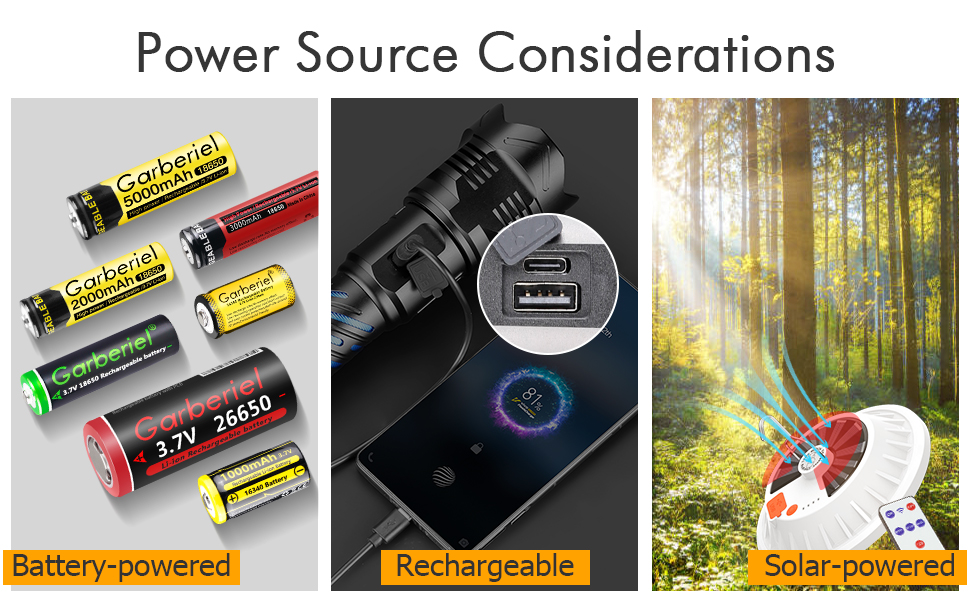
The power source of your camping light is another critical factor. You need to ensure your light will last throughout your trip without frequent recharging or battery changes.
- Battery-powered: These lights are convenient, but you’ll need to carry extra batteries, which can add weight to your pack. They’re reliable and available in various types, but you must be cautious about running out of power.
- Rechargeable: Rechargeable lights are eco-friendly and cost-effective in the long run. Some models offer both USB and solar charging options, making them versatile for different camping situations. However, you’ll need access to a power source or sufficient sunlight to recharge them.
- Solar-powered: Solar lights are great for extended trips as they can be charged during the day. They’re environmentally friendly and cost-effective, but they rely heavily on weather conditions and may not be as bright as other options.
3. Usability and Convenience
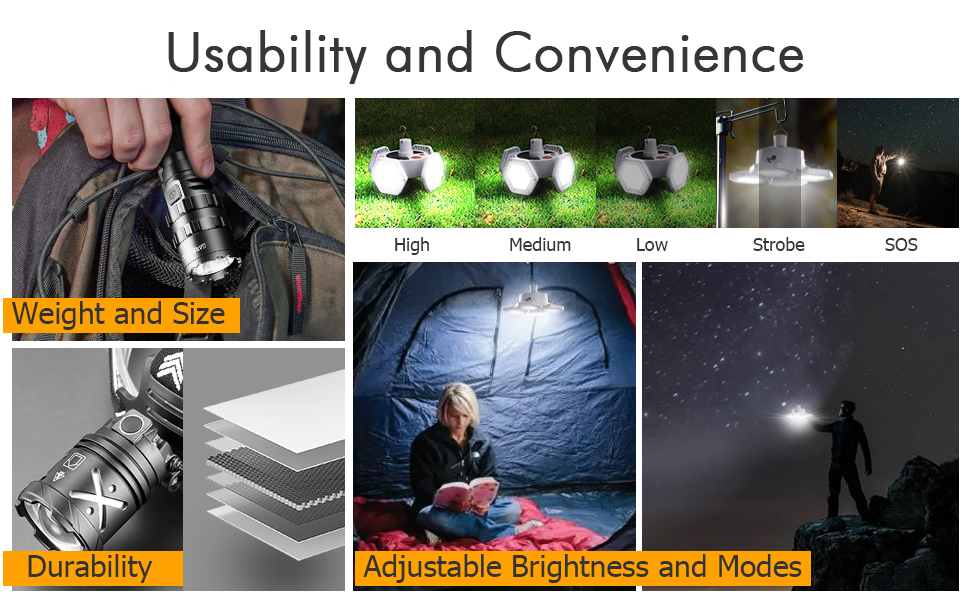
Finally, consider how easy the light is to use and carry.
- Weight and Size: If you’re backpacking, the weight and size of your camping light matter. Opt for compact, lightweight models that won’t take up much space.
- Durability: Look for lights that are water-resistant or waterproof, especially if you’re camping in unpredictable weather. Durable materials like aluminum alloy can ensure your light withstands rough conditions.
- Adjustable Brightness and Modes: Some lights offer adjustable brightness settings and multiple modes, such as strobe or SOS. These features can be handy in different scenarios, from reading in your tent to signaling for help.
By considering the type of light, power source, and usability, you can choose the right camping light that meets your needs, ensuring a safe and enjoyable outdoor adventure.


