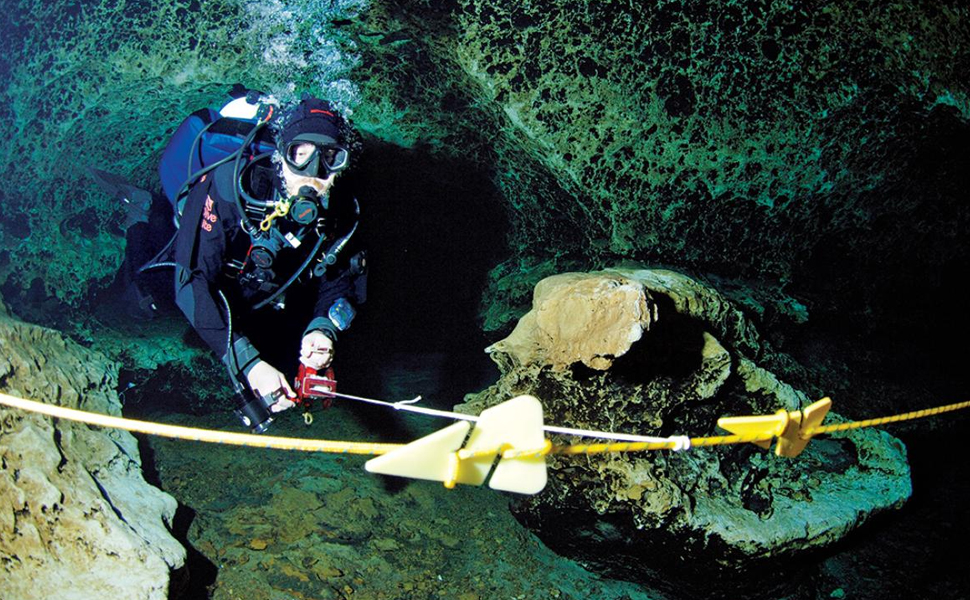
Effective lighting ensures visibility, aids navigation, and enhances safety in dark, submerged environments. Here, we’ll explore the specific challenges of cave diving and recommend the best lighting solution to help divers navigate these environments safely.
Unique Challenges of Cave Diving
-
Limited Visibility: In underwater caves, natural light is often non-existent, leaving divers to rely solely on their equipment. Visibility can be further compromised by silt or disturbed sediment, creating sudden "zero visibility" situations. These conditions can lead to disorientation and pose serious risks if divers cannot quickly regain their bearings.
-
Complex Navigation: Underwater caves are known for their intricate pathways and narrow passages. Divers use guide lines and visual markers to navigate, making reliable, high-quality lighting essential for keeping these markers in view and maintaining orientation.
-
Confined Spaces: The tight spaces in cave systems can make it difficult to maneuver. Bulky or poorly designed lighting tools can become obstructions or be damaged in the process. Therefore, compact and robust lights that fit comfortably with other diving gear are necessary.
-
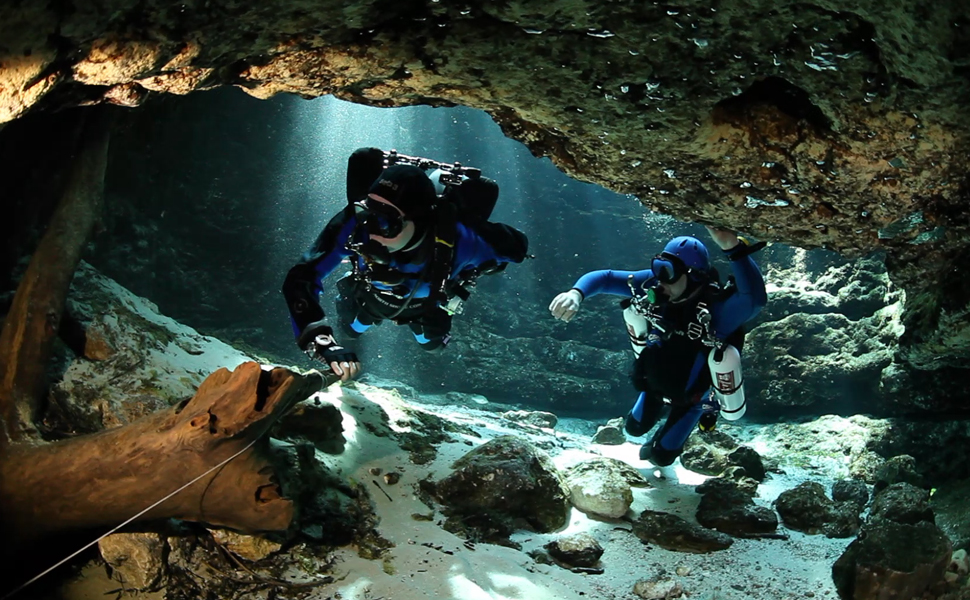
Safety and Team Communication: In team diving situations, light is used for communication. Divers signal to one another using their lights, making it essential to have equipment that can produce clear and easily identifiable beams.
Best Lighting Solutions for Cave Diving
Selecting the right lighting equipment for cave diving is critical. Here are some of the top options and features to consider:
-
Primary Dive Light: A strong, reliable primary dive light is essential. High-lumen output (typically 1,000 lumens or more) is recommended for illuminating wide spaces and maintaining visibility in darker, deeper areas. LED lights with focused beams are preferable, as they provide more concentrated and powerful light, cutting through murky water effectively.
-
Backup Lights: Backup lights serve as a contingency in case the primary light fails. Compact, waterproof models that can operate for several hours are ideal. These lights should be easy to attach and access, ensuring a seamless transition in case of an emergency.
-
Durability and Battery Life: The chosen lighting solutions should be durable, waterproof (ideally rated at IPX8 or higher), and capable of withstanding high-pressure environments. Rechargeable battery options with a long runtime can help divers feel secure about their equipment's endurance during lengthy explorations.
-
Adjustable Brightness Modes: Having lights with adjustable brightness settings can extend battery life while allowing divers to adjust the light intensity according to the conditions. Lower brightness settings can be used during calmer moments, while higher settings are employed for increased visibility or when signaling to team members.
Recommended Lighting Equipment: HCF1586 Flashlight
For cave divers looking for a reliable lighting tool, the HCF1586 flashlight is an excellent choice. This newly launched product is designed with the following key features that make it ideal for underwater cave exploration:
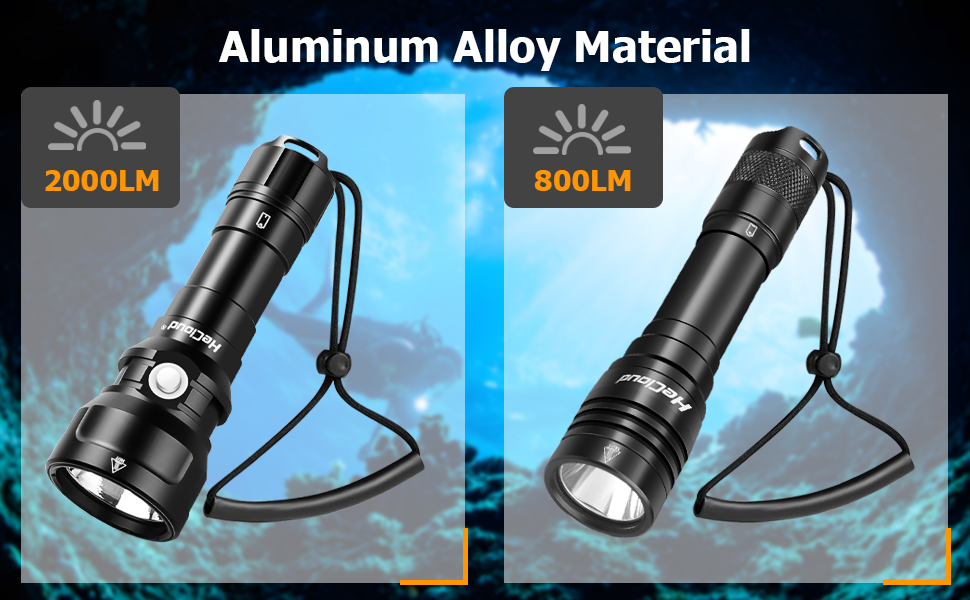
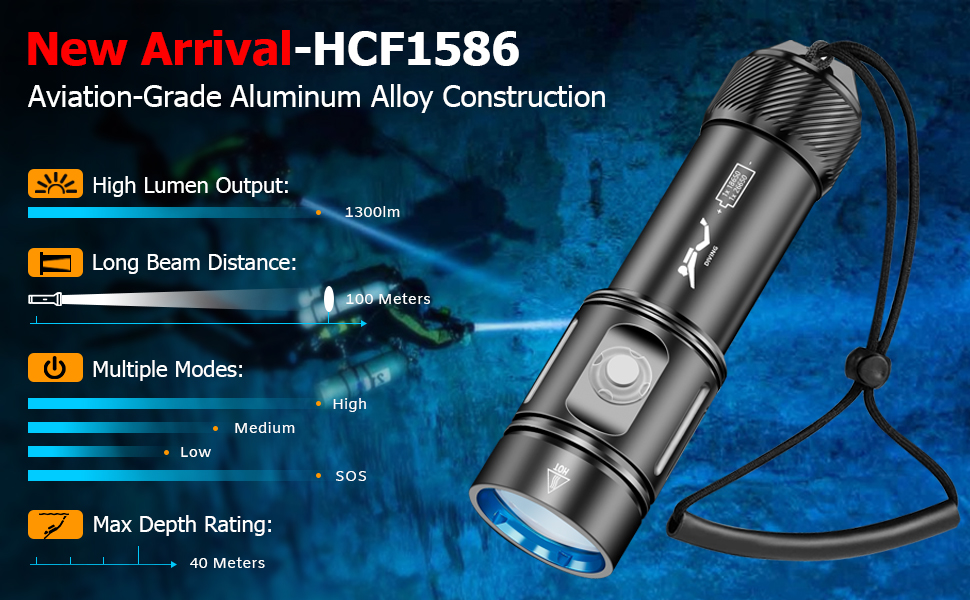
- Aviation-Grade Aluminum Alloy Construction: This provides the flashlight with durability and resistance to the harsh conditions of cave diving, ensuring it withstands impact and pressure at depth.
- High Lumen Output: With a maximum brightness of 1300 lumens, the HCF1586 offers powerful illumination that cuts through darkness and murky waters, making it easier to spot guide lines and navigate complex paths.
- Multiple Modes: The flashlight comes with four settings—High, Medium, Low, and SOS—allowing divers to adjust the brightness based on the situation. The SOS mode provides an additional safety feature for emergency signaling.
- Long Beam Distance: The HCF1586 has an impressive maximum beam range of 100 meters, enabling divers to see farther ahead and plan their movements accordingly.
- Submersible to 40 Meters: With a submersion capability up to 40 meters, this flashlight is well-suited for deep cave dives where reliable waterproofing is essential.
Why the HCF1586 Stands Out
The combination of high lumen output, adjustable settings, and durable construction makes the HCF1586 flashlight a top choice for cave divers. It’s powerful enough to illuminate large areas yet versatile enough to handle close-quarters signaling. The durable build ensures that it can endure the tough, often abrasive conditions of underwater caves without compromising performance.
Conclusion
Cave diving presents unique challenges that test the diver’s preparation and equipment. Reliable lighting is critical for visibility, navigation, and communication. The HCF1586 flashlight, with its robust construction, high output, and versatile modes, offers a dependable solution that enhances safety and functionality in cave diving. By investing in the right lighting, divers can confidently explore the wonders of submerged caves while minimizing potential risks.