Diving is an exhilarating experience that brings you face to face with the wonders of the underwater world. Whether you're exploring vibrant coral reefs, delving into deep-sea caves, or searching for hidden treasures, having the right equipment is crucial. One essential piece of gear for divers is the flashlight. However, divers often face a dilemma when choosing the color of their diving flashlight's beam: yellow light or white light.
Understanding Light Underwater
Before diving into the specifics of yellow and white light, it's important to understand how light behaves underwater. Water absorbs light, and different colors of light are absorbed at different rates. Red light is absorbed quickly, followed by orange, yellow, green, and finally blue. This means that the deeper you go, the fewer colors are available, and everything tends to appear more blue and green. This is why the color of your flashlight can significantly impact your diving experience.
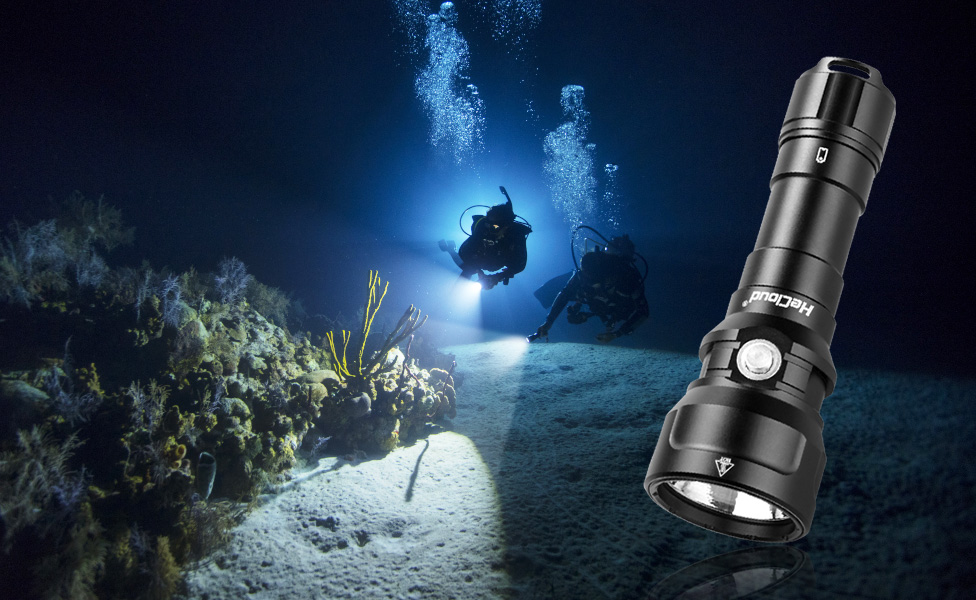
White Light: The Default Choice
White light is the most common type of beam used in diving flashlights. It mimics natural daylight and provides a broad spectrum of illumination. Here are some of the key advantages and disadvantages of using white light:
Advantages of White Light
-
Natural Color Representation: White light offers a balanced spectrum that closely resembles daylight. This means it can reproduce colors accurately, which is crucial for appreciating the vibrant hues of coral reefs and marine life.
-
Versatility: White light is suitable for a wide range of diving conditions, from clear tropical waters to murky freshwater environments. Its broad beam is excellent for illuminating large areas, making it ideal for both recreational and technical diving.
-
Visibility: White light is effective at cutting through water, providing clear visibility and helping divers navigate through their underwater surroundings with ease.
Disadvantages of White Light
-
Backscatter: In particulate-rich waters, white light can cause backscatter, which is the reflection of light off particles in the water. This can create a "snowstorm" effect, reducing visibility and making it harder to see clearly.
-
Potential Disturbance: Some marine life may be more sensitive to white light, leading to avoidance behavior. This can be a drawback for divers interested in observing nocturnal creatures or delicate ecosystems.
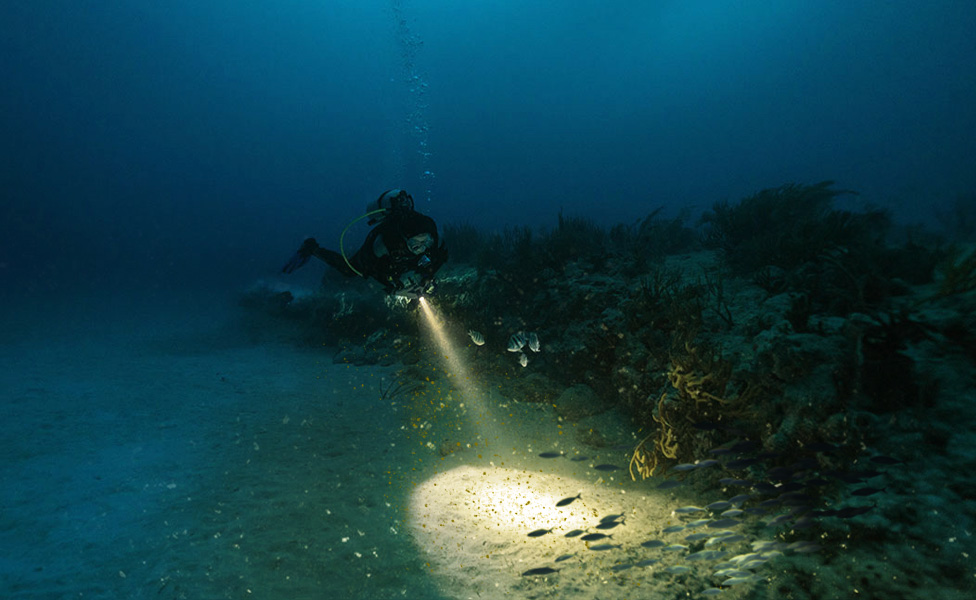
Yellow Light: A Specialized Option
Yellow light is less common but has specific advantages that can make it a valuable tool for certain diving scenarios. Here are the pros and cons of using yellow light:
Advantages of Yellow Light
-
Reduced Backscatter: Yellow light has a longer wavelength compared to white light, which means it penetrates water differently. This can reduce backscatter in murky or particulate-heavy waters, providing clearer visibility in challenging conditions.
-
Less Disturbing to Marine Life: Many marine animals are less sensitive to yellow light, making it a better option for night dives or when you want to minimize disturbance to the underwater environment.
-
Enhanced Contrast: Yellow light can enhance the contrast of certain objects, making it easier to spot specific features or marine life against a dark background. This can be particularly useful for underwater photographers.
Disadvantages of Yellow Light
-
Color Representation: Yellow light does not provide a full spectrum of color, which can result in a less accurate representation of the underwater scenery. Colors may appear more monochromatic, which could be a drawback for those who want to see the true colors of the underwater world.
-
Limited Availability: Diving flashlights with yellow light are less common than their white light counterparts, which may limit your options when choosing a flashlight.
Making the Right Choice
Ultimately, the choice between yellow and white light for your diving flashlight depends on your specific needs and diving conditions. Here are some considerations to help you decide:
-
Diving Environment: If you often dive in clear waters with minimal particulate matter, white light may be the better choice due to its natural color representation and broad visibility. However, if you frequently dive in murky or particulate-rich waters, yellow light's reduced backscatter can be a significant advantage.
-
Purpose of the Dive: Consider what you aim to achieve during your dives. If you are focused on underwater photography or observing marine life without disturbing them, yellow light might be more suitable. For general exploration and versatility, white light is a strong candidate.
-
Personal Preference: Ultimately, your comfort and preference play a vital role. Some divers may prefer the familiar and natural feel of white light, while others may appreciate the unique benefits of yellow light.
In conclusion, both yellow and white lights have their own strengths and weaknesses. By understanding the differences and considering your specific diving conditions and goals, you can make an informed decision that enhances your underwater adventures. Happy diving!


