Traveling abroad for diving adventures can be exciting, especially when exploring new underwater environments. However, bringing your own dive light requires some preparation. Different countries and airlines may have specific regulations regarding batteries, lighting devices, and transportation safety.
1. Understand Airline Regulations for Batteries
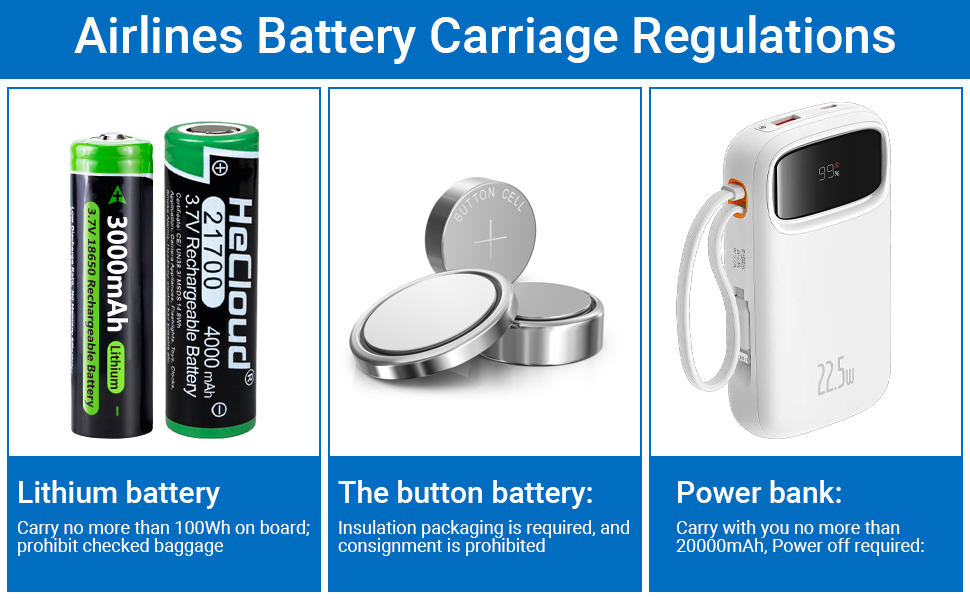
One of the most important factors when traveling with dive lights is the type of battery used.
Most modern dive lights are powered by lithium-ion batteries, such as 18650 or 21700 cells. These are classified as potentially hazardous materials due to their energy density.
Key points to keep in mind:
- Spare lithium batteries must be carried in carry-on luggage, not checked baggage.
- Battery capacity is usually limited to 100Wh per battery (some airlines allow up to 160Wh with approval).
- Terminals should be protected (using battery cases or tape) to prevent short circuits.
Before departure, it’s always a good idea to check the official website of your airline for the most accurate and updated rules.
2. Check Local Regulations at Your Destination
While most countries allow personal dive lights, some locations may have specific restrictions on:
- High-lumen lighting devices
- Import of electronic equipment
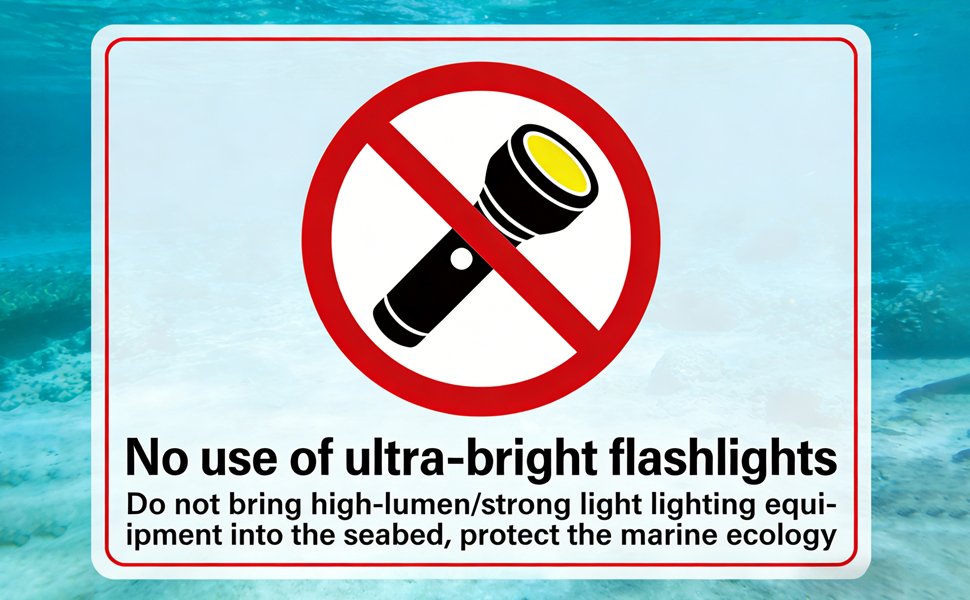
- Use of lights in protected marine areas
For example, in certain marine reserves, artificial lighting may be restricted to protect marine life.
Tips:
- Review local diving guidelines or contact dive operators in advance.
- Avoid carrying overly powerful lights if not necessary for your dive plan.
3. Prepare Your Dive Light for Inspection
Security checks may require you to demonstrate that your dive light is safe to transport.
To avoid issues:
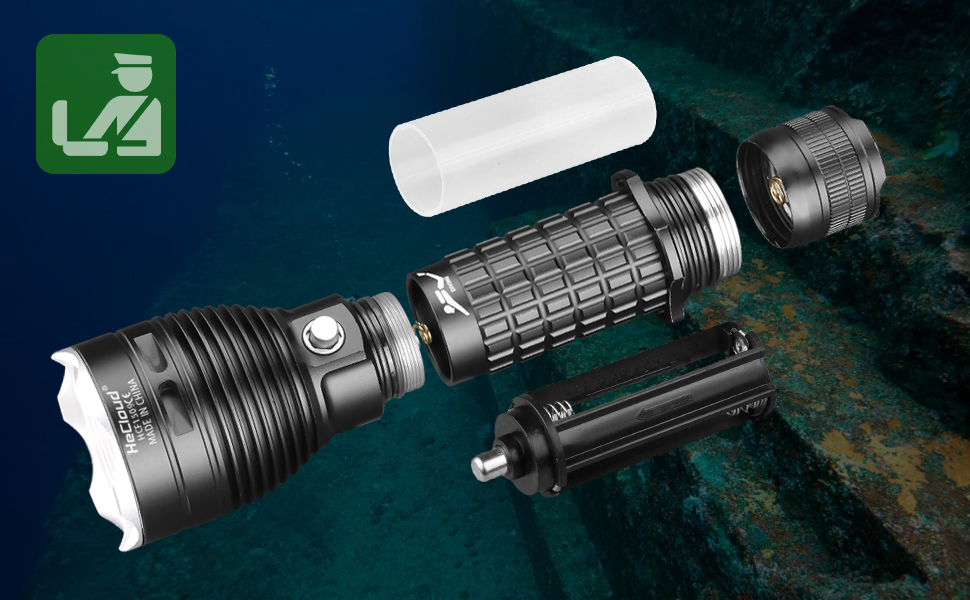
- Disconnect or remove the battery if possible
- Use a mechanical lock or slightly unscrew the tail cap to prevent accidental activation
- Pack the light in a way that is easy to inspect
A well-prepared setup not only improves safety but also speeds up the security process.
4. Consider Waterproof and Pressure Regulations
Although dive lights are designed for underwater use, airport staff may not be familiar with their specifications.
You may be asked about:
- Waterproof rating (e.g., IPX8 or depth rating)
- Pressure resistance
- Intended use
It helps to:
- Carry product documentation or specification sheets
- Keep original packaging if possible
5. Be Aware of Charging Equipment Rules
Chargers and power adapters are generally allowed, but there are still a few considerations:
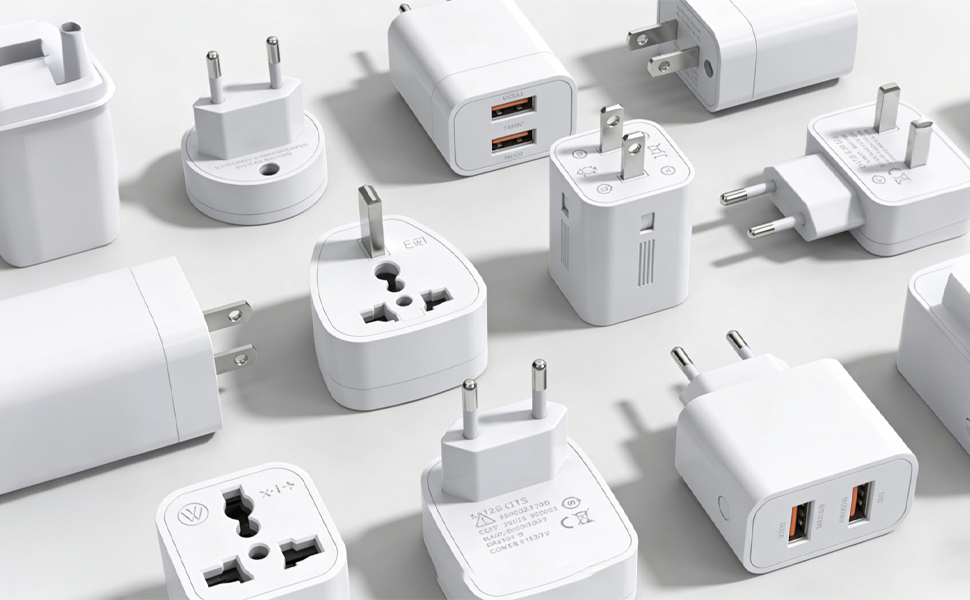
- Use certified chargers to avoid safety concerns
- Ensure compatibility with local voltage (110V–240V)
- Bring appropriate plug adapters for your destination country
6. Travel-Friendly Features to Look For
If you frequently travel for diving, choosing a dive light designed with portability in mind can make a difference.
Features that are especially useful include:
- Compact and lightweight design
- Replaceable batteries
- Built-in safety lock or travel mode
- Durable materials like aluminum alloy for protection during transit
These details can simplify packing and reduce the risk of damage or inconvenience.
Conclusion
Bringing your dive light on an international trip doesn’t have to be complicated. By understanding airline battery rules, checking local regulations, and preparing your equipment properly, you can travel with confidence and focus on enjoying your dive.
A little preparation goes a long way in ensuring a smooth and hassle-free diving experience abroad.


