Diving in low-visibility environments—such as murky waters, caves, or deep-sea locations—poses unique challenges. Reduced sight distance can make it difficult to navigate, identify hazards, or maintain communication with dive buddies. In such conditions, a reliable dive light is not just a tool for illumination but a vital piece of safety equipment.
Why Use a Dive Light in Low Visibility?
Low visibility underwater can result from various factors: sediment, algae blooms, lack of natural light, or increasing depth. A dive light plays several critical roles in such scenarios:
-
Improved Visibility: It helps illuminate surroundings, making it easier to identify terrain features, obstacles, or marine life.
-
Navigation Aid: A consistent light beam can help you stay oriented and follow the dive plan more accurately.
-
Buddy Communication: Light signals are essential for underwater communication when hand signals are not visible.
Practical Tips for Using Dive Lights Safely
-
Choose the Right Beam Type
For murky waters, a narrow, focused beam (spot beam) is generally more effective than a wide flood beam. It penetrates particulates better and allows you to see farther ahead.
-
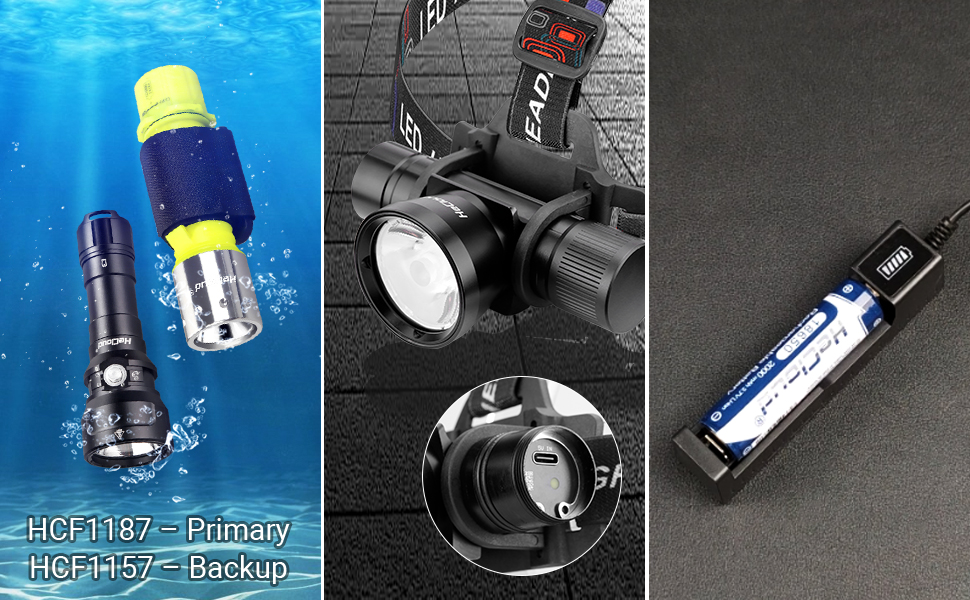
Use a Primary and Backup Light
Always carry at least two lights. The primary light should be powerful enough for your dive depth and environment, while the backup ensures you're not left in darkness if the main unit fails.
-
Check and Charge Before Each Dive
Ensure your lights are fully charged and in good working order. Inspect the O-rings for wear and make sure all seals are tight to prevent leaks.
-
Signal Clearly with Light
Agree on basic light signals with your dive buddy before entering the water. For example, circular motion can mean “OK,” while rapid flashing may indicate a problem.
-
Avoid Shining Directly in Eyes
Powerful dive lights can disorient others if pointed at their faces. Always aim slightly downward or to the side when communicating.
-
Minimize Sediment Disturbance
Practice good buoyancy and avoid kicking up the bottom, which can further reduce visibility even with a strong light source.
Safety Considerations
-
Depth Rating: Use lights rated for the maximum depth of your dive. Exceeding depth limits can result in pressure damage and malfunction.
-
Attachment Methods: Secure your lights with wrist lanyards or clips to prevent accidental loss during the dive.
-
Environmental Awareness: While focusing on illuminated areas, don’t ignore your peripheral surroundings—stay alert for potential hazards like sharp rocks or marine life.
Conclusion
In environments where visibility is compromised, a well-prepared diver equipped with the right lighting tools can significantly reduce risks and increase underwater safety. Proper handling, routine checks, and understanding of your equipment can turn your dive light from a simple accessory into an essential partner for safe exploration.
Whether you're diving in silty lakes, night diving off the coast, or exploring deeper ocean zones, effective light use is a key skill for every diver.


