As diving enthusiasts, we all share a common fascination with the underwater world — its vibrant ecosystems, diverse marine life, and the unique experiences it offers. However, as we dive deeper into this natural treasure, it's essential to consider the environmental impact of the equipment we use, including our diving flashlights.
The Environmental Impact of Traditional Diving Lights
-
Energy Consumption
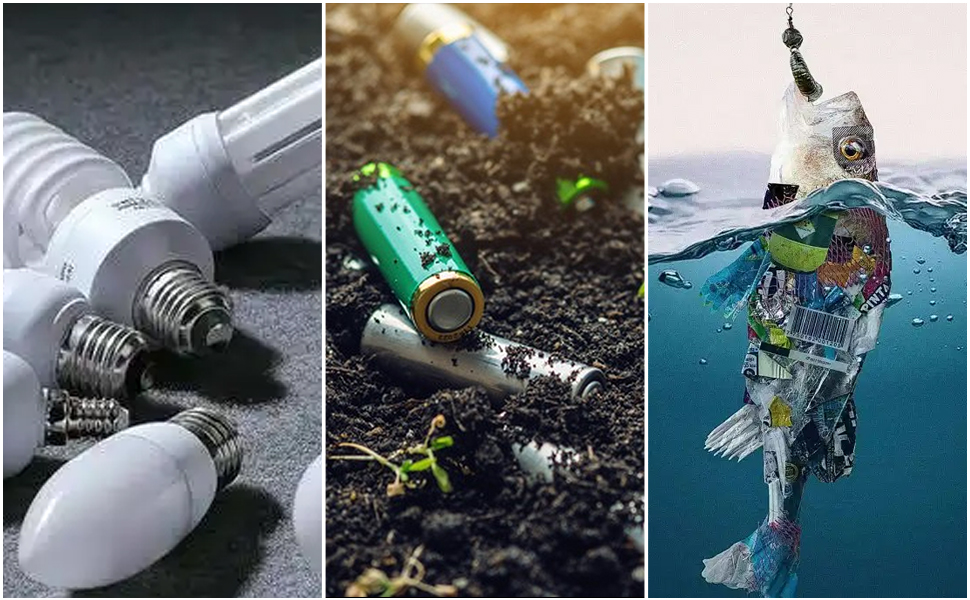
Many traditional diving flashlights use incandescent bulbs or older LED technologies, which are less energy-efficient than modern alternatives. These older lights often require more power, contributing to higher carbon footprints during their use.
-
Battery Disposal
The batteries used in many flashlights can pose a serious environmental threat if not disposed of properly. Non-rechargeable batteries, in particular, are a major contributor to pollution, as they often end up in landfills, releasing toxic substances into the soil and water.
-
Material Use
Many traditional diving flashlights are made from non-recyclable materials or materials that have a significant environmental cost during production. These include plastics that are not biodegradable and metals that may come from non-sustainable mining processes.
Eco-Friendly Diving Flashlights: Key Features to Look For
-
Energy-Efficient LED Technology
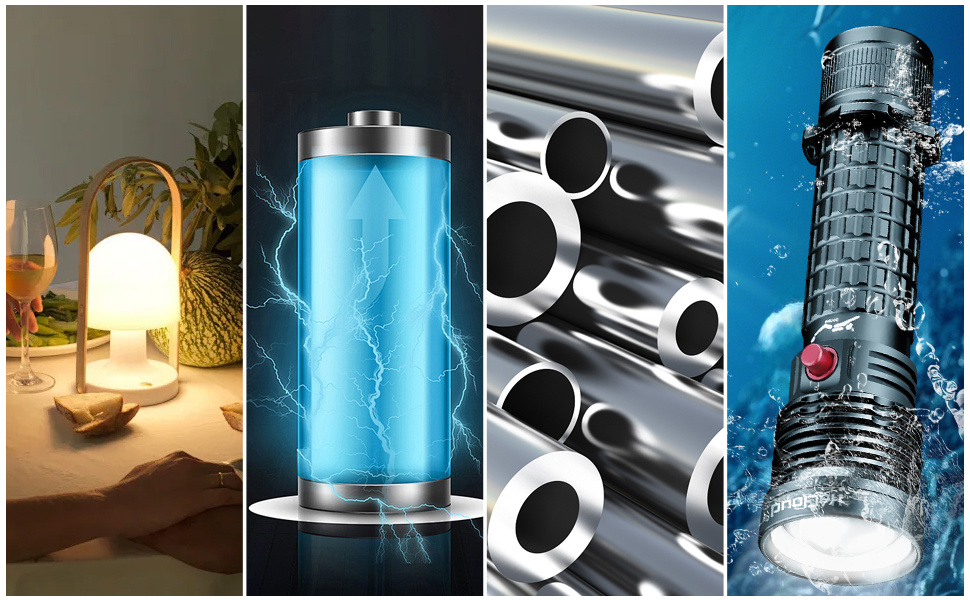
Modern LED diving flashlights are far more energy-efficient than older incandescent bulbs. These LEDs consume less power while providing the same level of brightness, extending battery life and reducing energy consumption overall.
-
Rechargeable Batteries
To minimize environmental impact, look for flashlights that use rechargeable lithium-ion batteries. These batteries can be reused hundreds of times, reducing the need for disposable batteries and their harmful effects on the environment.
-
Sustainable Materials
Eco-friendly flashlights often feature durable materials such as high-quality aluminum alloys, which are lightweight, recyclable, and resistant to corrosion. These materials not only enhance the flashlight's durability but also reduce the overall environmental impact of the product.
-
Waterproof and Durable Design
A high-quality, durable flashlight that can withstand the challenges of deep-sea diving is crucial for reducing waste. Products designed to last longer are less likely to end up as waste after a short period of use, thereby lowering the frequency of replacements.
-
Low Carbon Footprint in Manufacturing
Look for manufacturers that prioritize sustainability in their production processes. Some companies use solar-powered equipment, renewable energy sources, or follow green manufacturing practices to reduce their carbon footprint.
Why Sustainability Matters for Divers
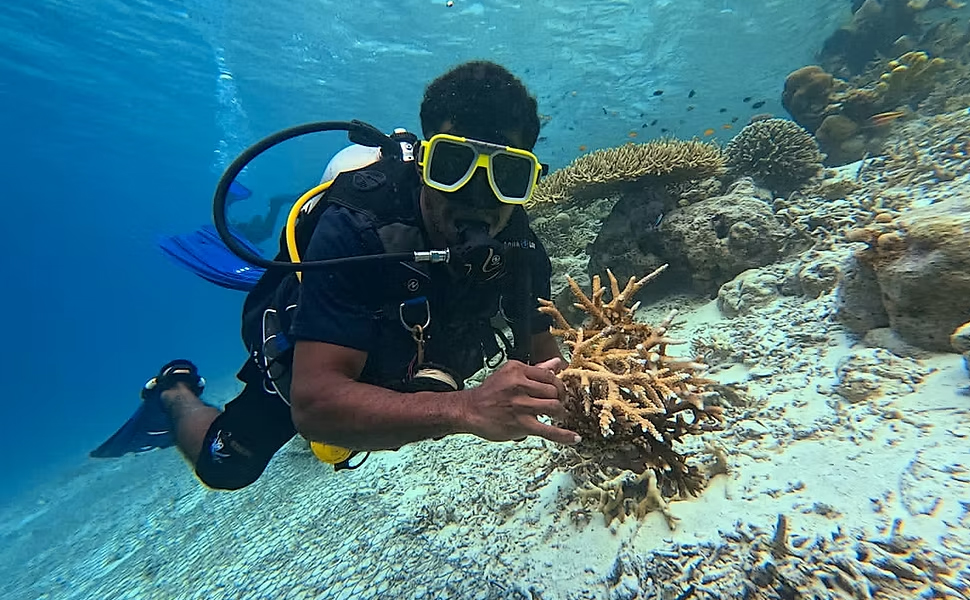
As divers, we often find ourselves immersed in the very ecosystems we aim to protect. By choosing eco-friendly diving flashlights, we contribute to a broader effort to preserve these precious underwater habitats for future generations. Our choices — even in the equipment we use — can have a significant impact on reducing pollution, conserving natural resources, and encouraging more sustainable practices in the diving industry.
Moreover, as more divers embrace eco-consciousness, the demand for environmentally responsible products will increase, which, in turn, will encourage manufacturers to innovate and offer more sustainable options. By making these small but impactful changes, divers can play an active role in protecting the oceans they cherish.
Conclusion
Choosing an eco-friendly diving flashlight is a small but important step toward reducing our environmental impact while enjoying the wonders of the underwater world. By prioritizing energy-efficient LEDs, rechargeable batteries, and sustainable materials, divers can minimize their ecological footprint and contribute to a more sustainable future. The ocean is a delicate ecosystem, and by choosing environmentally responsible gear, we can help preserve its beauty for generations to come.


