When venturing into the great outdoors, proper lighting is essential. Whether you're hiking, camping, or engaging in night-time adventures, the right equipment can ensure safety, convenience, and a more enjoyable experience. In this guide, we’ll explore various types of outdoor lighting gear and their specific uses, helping you choose the best tools for your next adventure.
1. Headlamps: Hands-Free Versatility
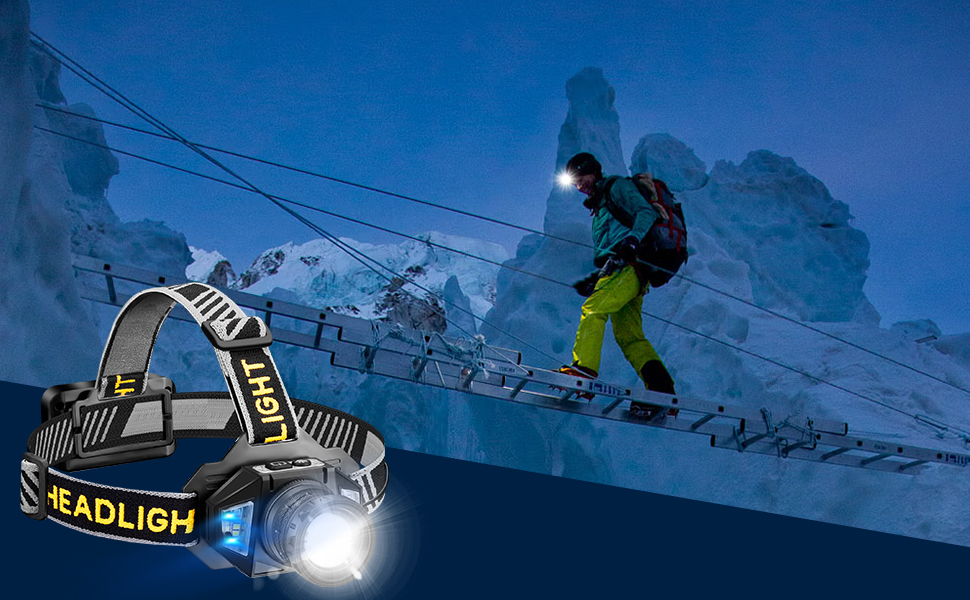
Headlamps are a staple for outdoor enthusiasts. Worn on your head, these compact devices provide hands-free lighting, making them ideal for activities like hiking, climbing, or setting up a tent in the dark. Key features to look for include:
-
Brightness: Measured in lumens, a range of 200-400 lumens is sufficient for most activities.
-
Modes: High, low, and strobe modes can cater to various needs.
-
Water Resistance: Look for an IPX4 rating or higher to handle wet conditions.
Some advanced headlamps, like those with motion-sensor activation, are particularly useful when you need quick, hassle-free lighting adjustments.
2. Camping Lanterns: Centralized Illumination
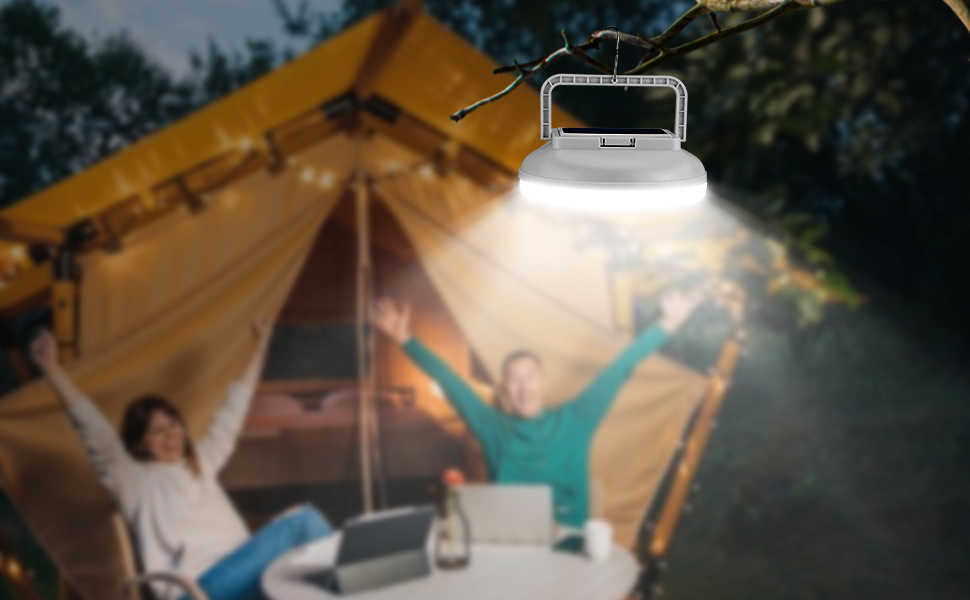
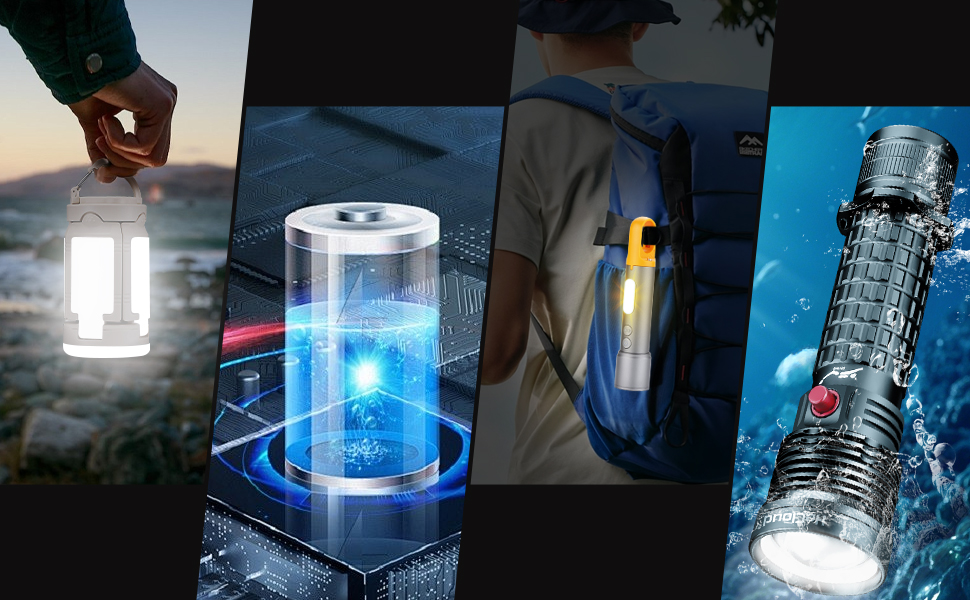
Camping lanterns provide 360-degree lighting, making them perfect for illuminating larger areas like campsites or picnic tables. They’re available in various designs, including:
-
Battery-Powered Lanterns: Lightweight and portable, suitable for short trips.
-
Rechargeable Lanterns: Eco-friendly and cost-effective for regular use.
-
Solar-Powered Lanterns: Ideal for extended trips where electricity isn’t accessible.
Many modern lanterns include features like dimming options and USB ports for charging other devices.
3. Flashlights: Portable and Powerful
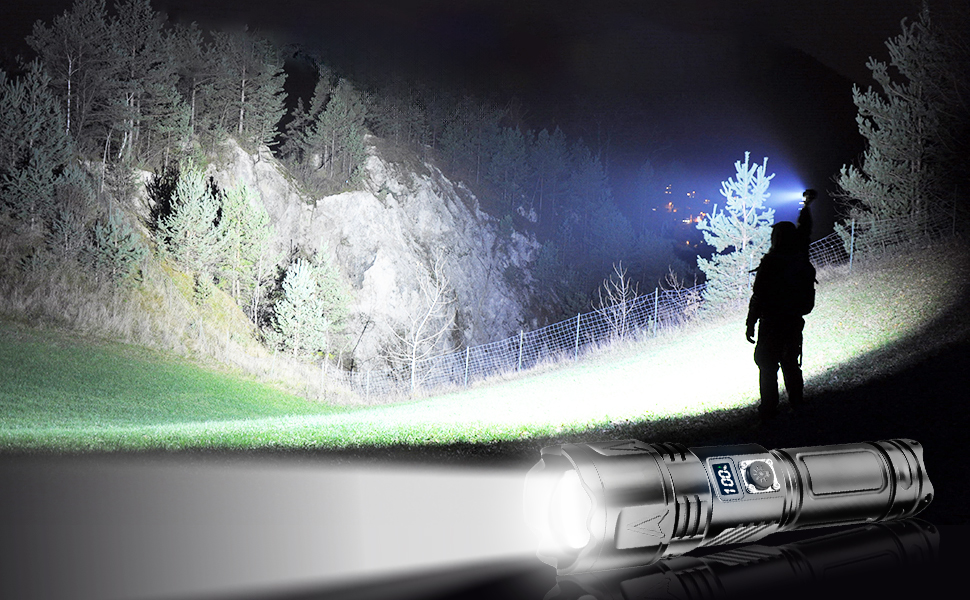
Flashlights offer targeted, high-intensity lighting. They’re a great backup option and are especially useful for navigation or signaling in emergencies. Consider these factors when choosing a flashlight:
-
Beam Distance: A range of at least 100 meters is ideal for outdoor use.
-
Durability: Choose models made from aluminum alloy for impact resistance.
-
Lighting Modes: Multiple modes, including SOS, are helpful in emergencies.
4. Specialized Lighting Gear
For specific adventures, specialized lighting equipment may be necessary:
-
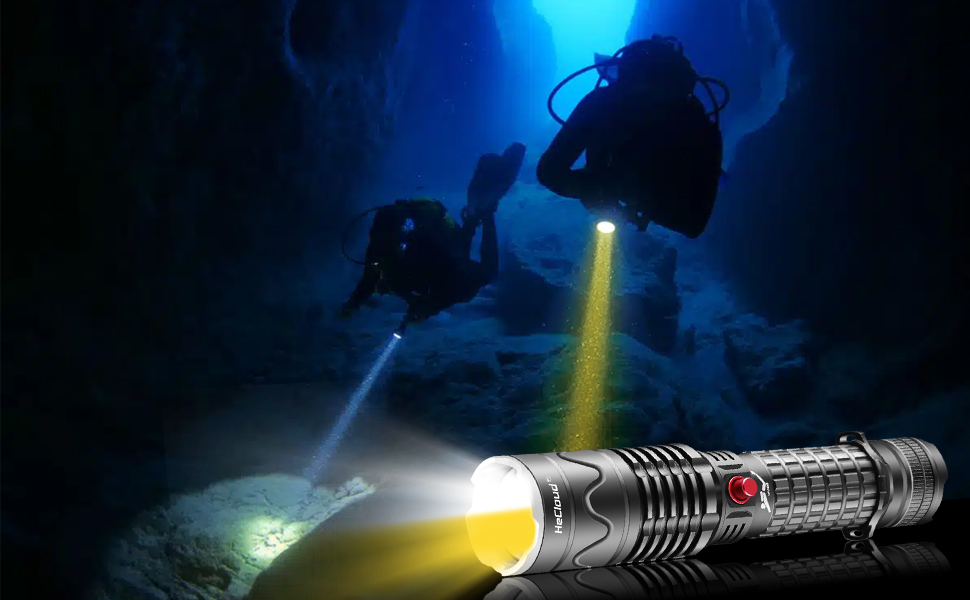
Diving Flashlights: Designed for underwater use, these flashlights feature high waterproof ratings (e.g., IPX8) and focused beams for visibility in dark waters.
-
Bike Lights: Essential for cycling at night, providing both visibility for the rider and signaling for others.
-
Portable String Lights: Lightweight and decorative, perfect for creating a cozy atmosphere around your campsite.
5. Choosing the Right Lighting Gear
When selecting lighting equipment, consider the following:
-
Purpose: Will you use it for navigation, general illumination, or emergency signaling?
-
Battery Life: Long runtimes are crucial for extended trips.
-
Weight and Size: Lightweight gear is essential for backpackers.
-
Weather Resistance: Ensure your gear can handle the environment you’ll be in.
6. Safety Tips for Outdoor Lighting
-
Carry Spares: Always pack extra batteries or a backup light source.
-
Test Your Gear: Ensure everything is fully functional before your trip.
-
Follow Leave No Trace Principles: Avoid using overly bright lights that disrupt wildlife.
With the right lighting gear, your outdoor adventures can be both safe and memorable. Whether it’s a reliable headlamp for your nighttime hike or a versatile camping lantern for group activities, investing in quality equipment is always worth it.


