The evolution of dive lights has been one of the most significant technological advancements in the world of underwater exploration. From the early days of diving, when bulky and inefficient incandescent bulbs were the norm, to the modern, highly efficient LED dive lights that dominate the market today, dive lighting has undergone a remarkable transformation. This evolution has not only enhanced the safety and effectiveness of divers but also revolutionized the overall underwater experience.
The Early Days: Incandescent Dive Lights
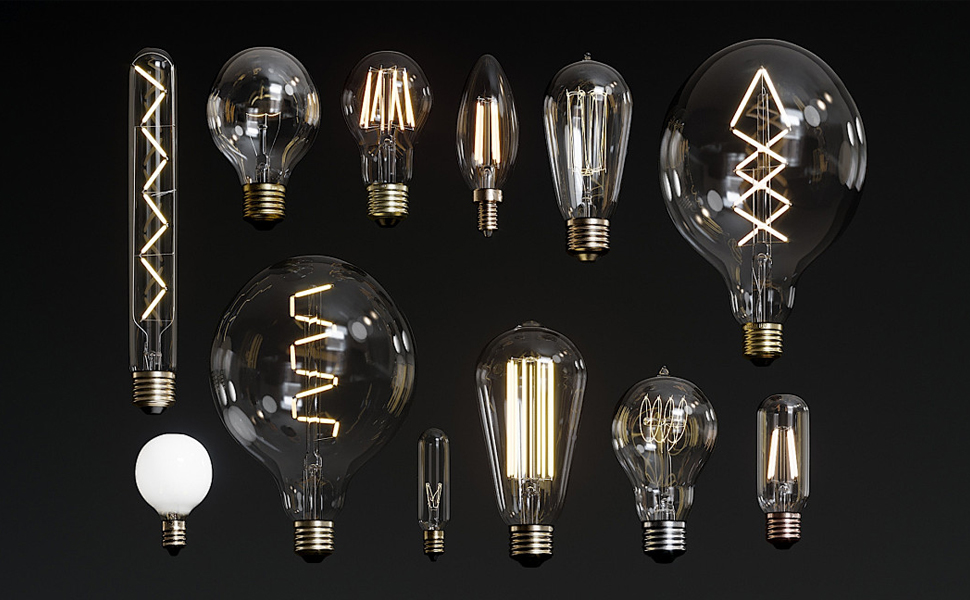
In the early days of diving, underwater lighting relied heavily on incandescent bulbs. These bulbs, while relatively simple to produce, were not the most efficient option for divers. Incandescent lights consumed large amounts of energy and produced a lot of heat, which could be dangerous in an underwater environment. Moreover, the beam of light produced by these bulbs was often weak and inefficient, making it difficult for divers to see clearly in the murky depths.
Despite these drawbacks, incandescent lights were the standard for many years. Divers had to carry heavy, bulky flashlights that drained batteries quickly, limiting dive times and creating a burden on the diver. These early dive lights were functional, but far from optimal.
The Shift to Halogen: A Step Forward
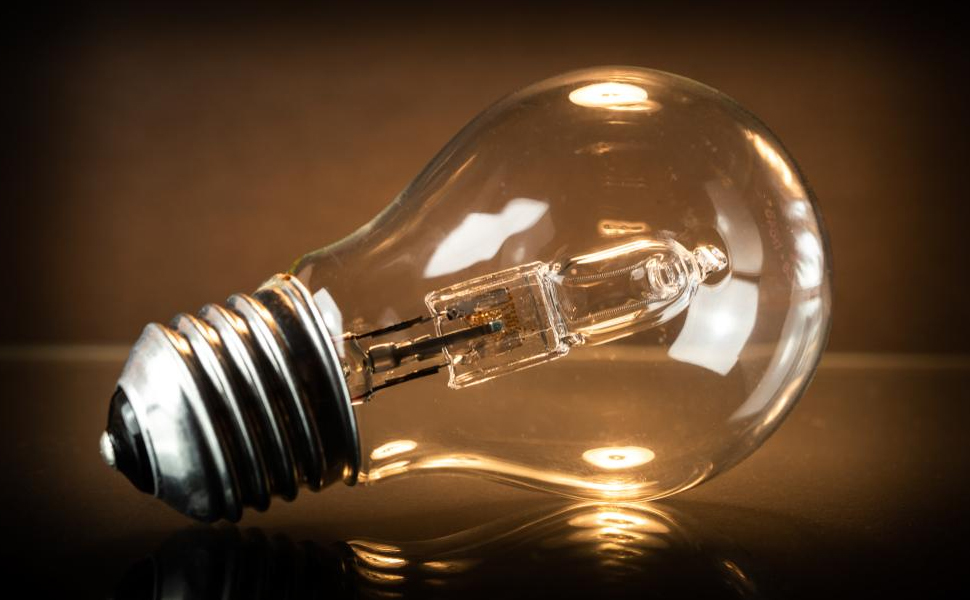
As technology advanced, the introduction of halogen bulbs marked an important step forward in the evolution of dive lights. Halogen bulbs offered improved brightness and efficiency compared to their incandescent predecessors. The use of halogen gas inside the bulb allowed for a higher burning temperature, producing a brighter light while consuming less energy.
While halogen lights were an improvement, they still had significant limitations. They could get very hot, which posed a risk of burning or damaging dive equipment. Furthermore, the size and weight of the lights remained cumbersome, and battery life still limited dive time.
The LED Revolution: A New Era in Dive Lighting
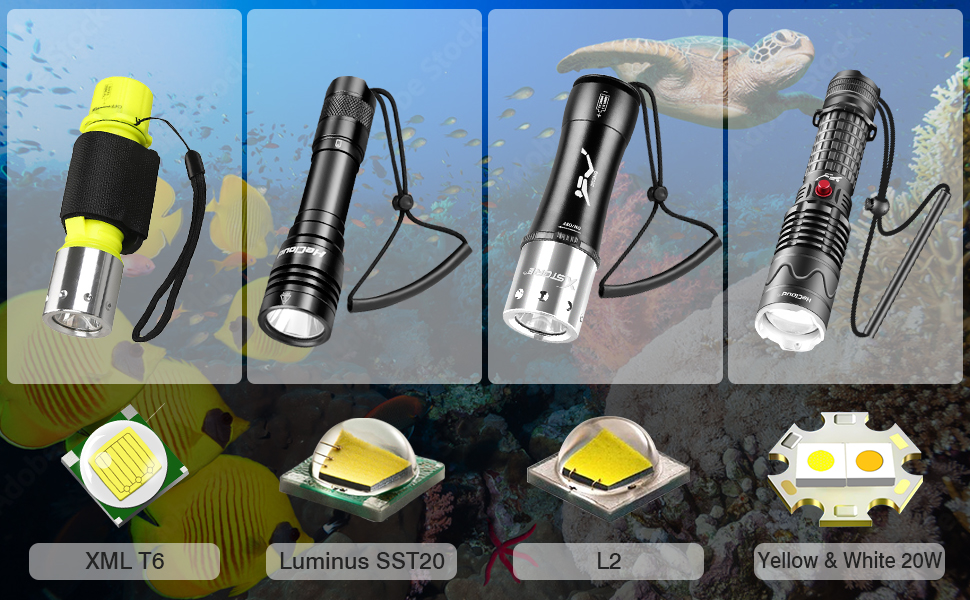
The real game-changer came with the advent of LED (Light Emitting Diode) technology. LEDs revolutionized dive lighting by offering several advantages over both incandescent and halogen bulbs. LEDs are incredibly energy-efficient, produce minimal heat, and have a much longer lifespan. This made them an ideal solution for divers looking for reliable, lightweight, and long-lasting lighting options.
One of the key benefits of LED technology is the variety of beam options it offers. Modern LED dive lights can provide both narrow beams for focused, long-distance lighting and wide beams for illuminating large areas. The ability to adjust the beam angle is particularly useful when diving in complex environments like caves or wrecks.
The Rise of Specialized Dive Lights
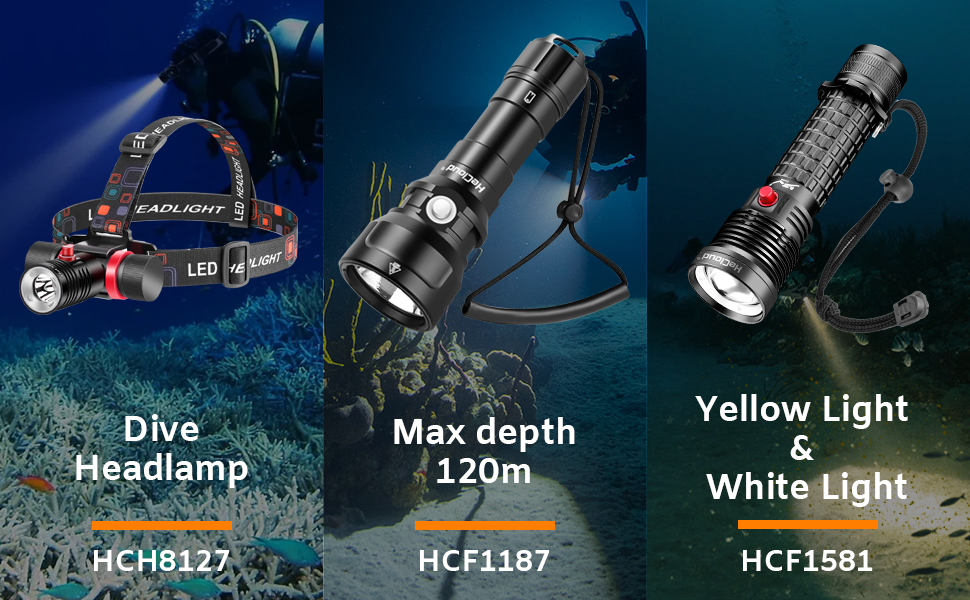
With the development of LED dive lights, the industry has seen the rise of specialized dive lighting products that cater to different diving needs and environments. For example, the HeCloud HCH8127 Diving Headlamp offers hands-free underwater lighting, significantly reducing the burden on divers. This headlamp is ideal for those who need to keep their hands free for tasks like holding equipment or navigating tight spaces.
Another notable product is the HeCloud HCF1187, which is designed to withstand depths of over 120 meters. This powerful dive light is perfect for deep-sea explorers and those who require reliable illumination in extreme conditions. The ability to dive to such depths with a reliable light source greatly enhances safety and allows divers to explore previously inaccessible areas of the ocean.
For divers who need flexibility in different underwater environments, the HeCloud HCF1581 dive light provides a unique feature: dual lighting modes that include both white and yellow light. This feature allows divers to adjust their lighting depending on the water conditions, whether it's the clear blue waters of a tropical reef or the murky depths of a wreck site.
Conclusion
The evolution of dive lights, from incandescent to halogen to LED, has dramatically improved the diving experience. With the advent of LED technology, divers now have access to efficient, lightweight, and powerful lighting options that cater to a variety of diving needs. Products like the HeCloud HCH8127, HCF1187, and HCF1581 represent the cutting-edge of dive lighting, offering tailored solutions for different types of dives, from deep-sea expeditions to hands-free underwater exploration.
As technology continues to evolve, we can expect even more exciting advancements in the world of dive lighting, ensuring that divers have the tools they need to explore the depths safely and effectively.


