Underwater exploration is one of the most captivating activities for adventurers, scientists, and ocean enthusiasts alike. Whether you're diving to discover new marine life or documenting the underwater world, proper lighting is crucial for revealing the hidden beauty beneath the waves.
Understanding Underwater Exploration
Underwater exploration refers to the scientific or recreational activity of diving to observe, document, or study marine environments. The ocean is home to an astonishing variety of life forms, from vibrant coral reefs to the deep-sea creatures that inhabit the darkest parts of the sea. Understanding this biodiversity is vital for conservation efforts and for the study of marine ecosystems. With much of the ocean still unexplored, diving offers a unique opportunity to uncover the mysteries of the underwater world.
The Role of Diving Flashlights in Underwater Exploration
Diving flashlights are more than just tools for illumination—they are essential for safely navigating the underwater environment. These flashlights are designed to provide powerful, focused light in dark, underwater conditions where natural light cannot reach. Whether you’re diving in shallow waters or exploring the deep sea, a good flashlight helps you see clearly and helps others spot you easily.
Benefits of Using Professional Diving Flashlights
-
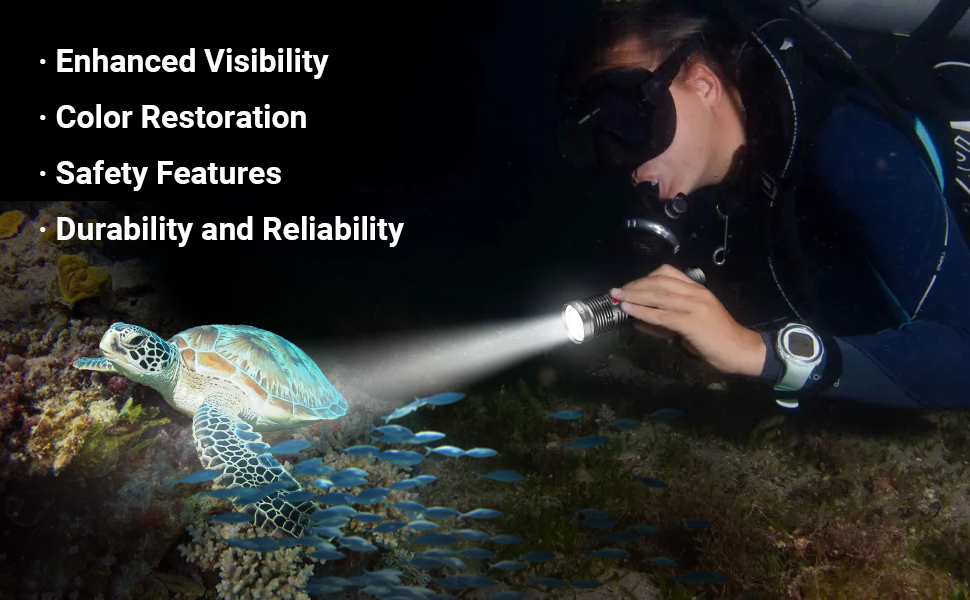
Enhanced Visibility
One of the primary advantages of using a professional diving flashlight is enhanced visibility. When exploring underwater, especially in deeper or darker environments, a diving light makes it possible to see clearly in areas where natural light doesn’t reach. A high-quality diving flashlight will allow divers to penetrate the darkest waters and explore further with ease.
-
Color Restoration
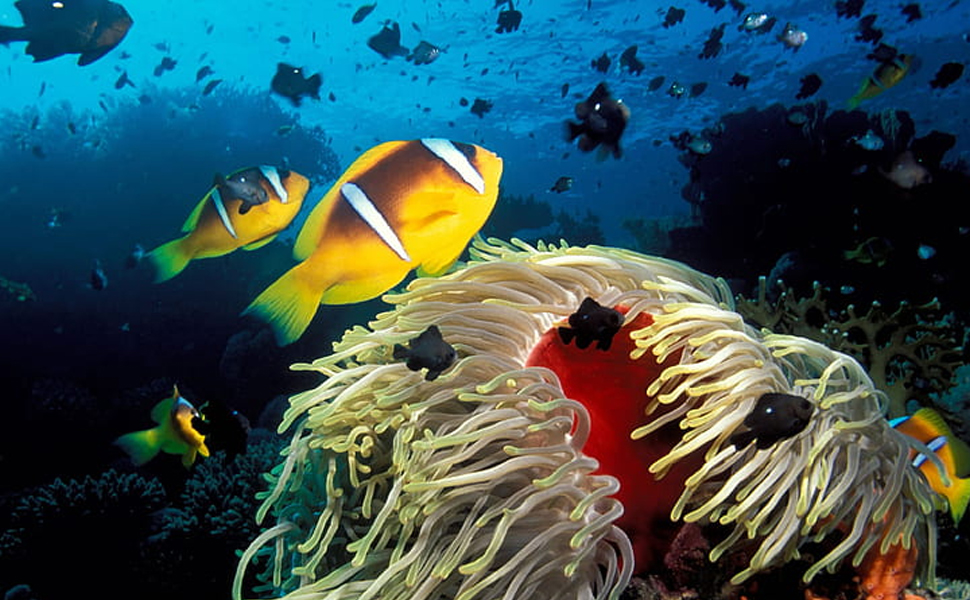
Underwater environments tend to distort colors because of the filtering effects of water. As light passes through the water, red and yellow wavelengths are absorbed, leaving behind a blue-green hue. Professional diving flashlights are designed to restore these lost colors, allowing divers to witness the true beauty of the marine life, such as vibrant coral reefs and exotic fish.
-
Safety Features
Safety is always a priority during underwater exploration. A professional diving flashlight provides essential safety features, such as bright beams that help divers spot hazards and navigate safely. It also ensures visibility for other divers and surface crews, which is crucial for preventing accidents and ensuring a safe dive.
-
Durability and Reliability
Given the challenging underwater conditions, professional diving flashlights are made to withstand extreme pressures, impacts, and exposure to water. Made from durable materials like aviation-grade aluminum, these lights are built to last, ensuring that divers can rely on them even in the most demanding environments.
Types of Professional Diving Flashlights
There are various types of diving flashlights available, each suited to different needs and preferences. Some of the most common types include:
-
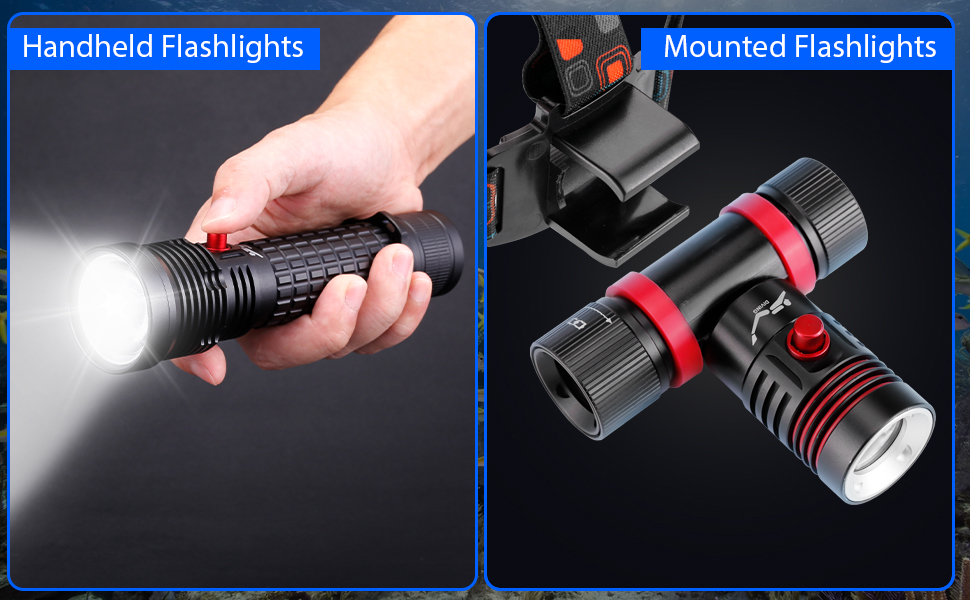
Handheld Flashlights: These are portable, easy to carry, and perfect for individual divers. They offer focused beams and are ideal for personal illumination during dives.
-
Mounted Flashlights: These lights are attached to diving equipment like helmets or tanks and provide hands-free illumination, allowing divers to focus on other tasks while maintaining clear visibility.
How to Choose the Right Diving Flashlight
When selecting a diving flashlight, there are several factors to consider:
-
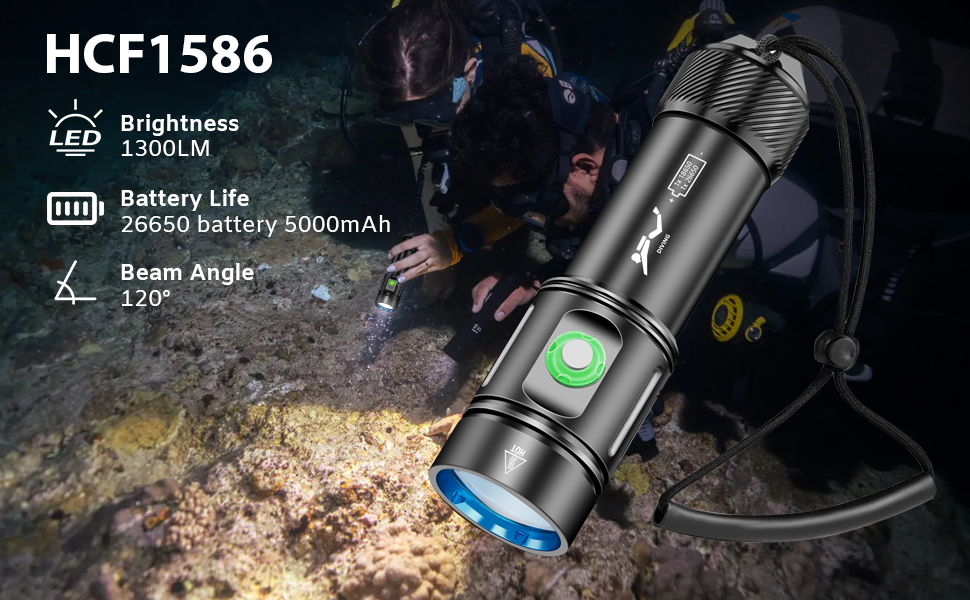
Brightness: The flashlight’s brightness, typically measured in lumens, is a key factor in ensuring proper visibility. A higher lumen count means brighter light, which is especially important for deep-sea dives.
-
Battery Life: For longer dives, it’s crucial to choose a flashlight with a long battery life. Some professional diving flashlights come with rechargeable batteries, while others use replaceable ones.
-
Beam Angle: Depending on your dive, you might need a narrow beam for focused light or a wide beam for general illumination. Consider the type of diving you’ll be doing when choosing your flashlight.
Best Practices for Using Diving Flashlights
To make the most out of your diving flashlight, follow these tips:
-
Use the flashlight sparingly: In shallow water, using your flashlight too much can spoil the natural beauty of the environment. Use it only when needed to avoid disturbing the surroundings.
-
Maintain and Clean the Light: After every dive, clean your flashlight to prevent saltwater buildup and corrosion. Store it in a dry place to prolong its life.
Real-Life Applications and Success Stories
Many divers have shared their success stories using professional diving flashlights. For instance, divers exploring underwater caves or shipwrecks report that their flashlights were essential in helping them safely navigate and uncover hidden treasures. Some divers even use their flashlights for scientific research, documenting marine life in their natural habitat.
Conclusion
In underwater exploration, the right equipment can make all the difference, and a professional diving flashlight is a must-have tool for any diver. Whether you’re exploring coral reefs, deep-sea trenches, or underwater caves, a high-quality flashlight enhances visibility, restores colors, and provides safety. If you’re serious about underwater exploration, investing in a durable, reliable flashlight is essential for both adventure and safety.
Call to Action
Have you had any underwater exploration experiences using diving flashlights? Share your thoughts and stories in the comments below! Don’t forget to subscribe to our blog for more tips and insights on diving and marine exploration.


