In recent years, headlamps have gradually moved beyond their traditional role as purely outdoor equipment. From daily urban use to demanding wilderness adventures, a well-designed headlamp can adapt to a wide range of environments. Understanding how headlamps perform in different scenarios helps users choose lighting tools that truly match their needs.
1. Urban Use: Practical Lighting for Everyday Situations
In cities, headlamps are often used for short-duration and task-oriented activities. Common scenarios include walking pets at night, evening jogging, home maintenance, or commuting through poorly lit areas.
For urban use, comfort and convenience are key. Lightweight designs reduce pressure during extended wear, while moderate brightness levels help illuminate paths without causing glare to others. Multiple lighting modes, such as low beam or wide-angle floodlight, allow users to adapt to sidewalks, stairways, or indoor spaces.
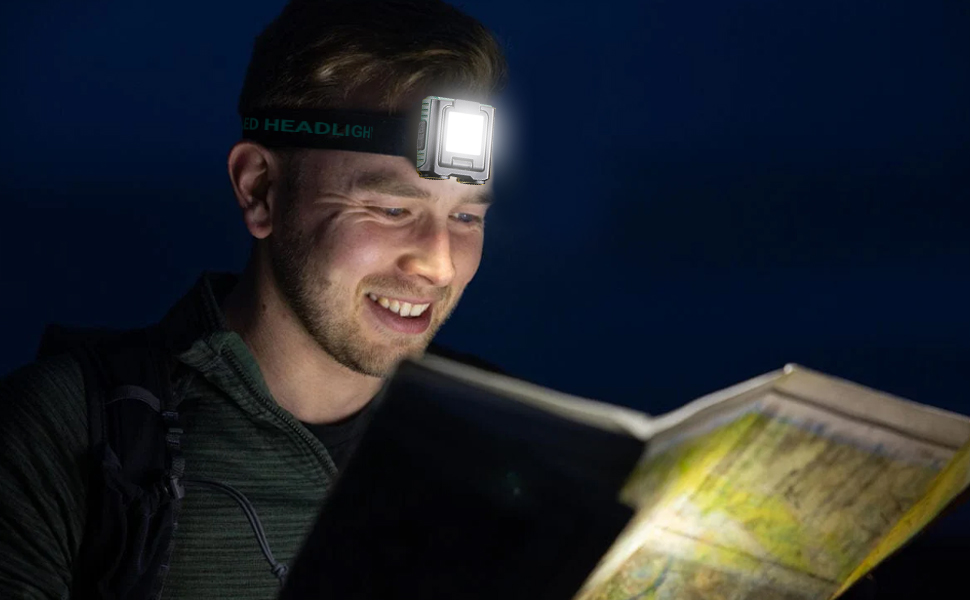
2. Outdoor Recreation: Reliable Lighting for Camping and Hiking
When moving from the city into nature, lighting requirements change significantly. Camping, hiking, and night fishing often involve uneven terrain and limited ambient light. In these conditions, stable illumination and hands-free operation become essential.
A headlamp with adjustable brightness allows users to switch between campsite lighting and trail navigation. Wide beam angles are useful for setting up tents or cooking, while focused beams help identify distant trail markers. Battery endurance also plays an important role, as outdoor activities often last several hours or more.
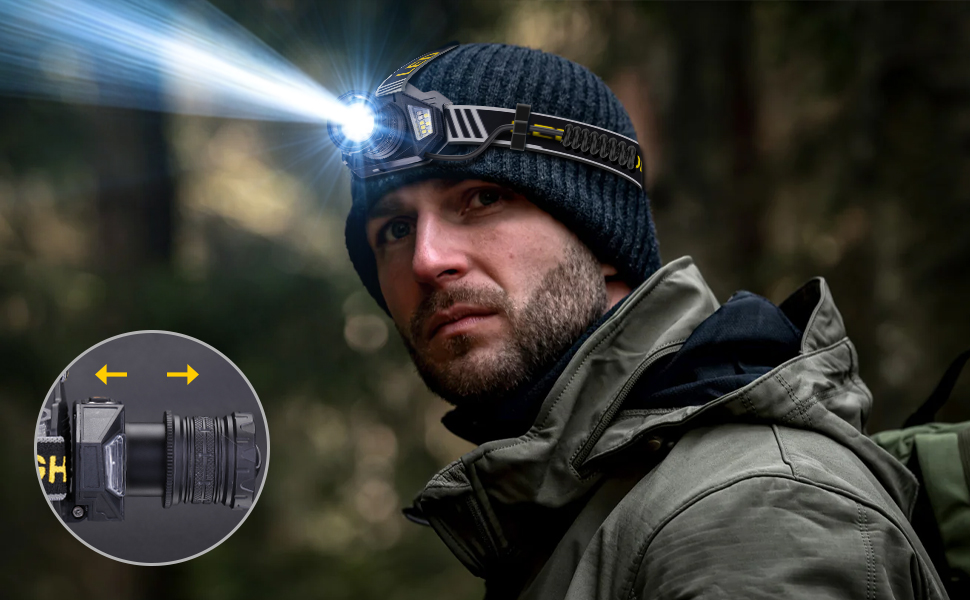
3. Night Sports: Supporting Safety and Visibility
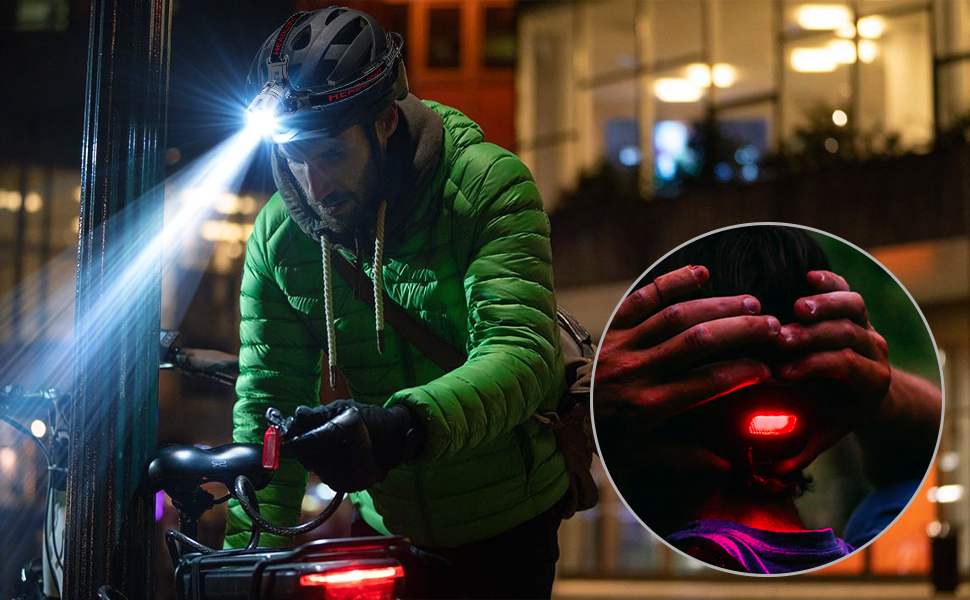
For night running and cycling, headlamps contribute not only to visibility but also to personal safety. Clear forward lighting helps users recognize obstacles such as uneven ground or debris, while additional features like rear warning lights can improve visibility to others.
In these scenarios, stability matters. Secure headbands and balanced weight distribution reduce movement during intense activity. Adjustable tilt angles also help direct light precisely where it is needed, minimizing unnecessary eye strain.
4. Wilderness and Emergency Use: Prepared for Unpredictable Conditions
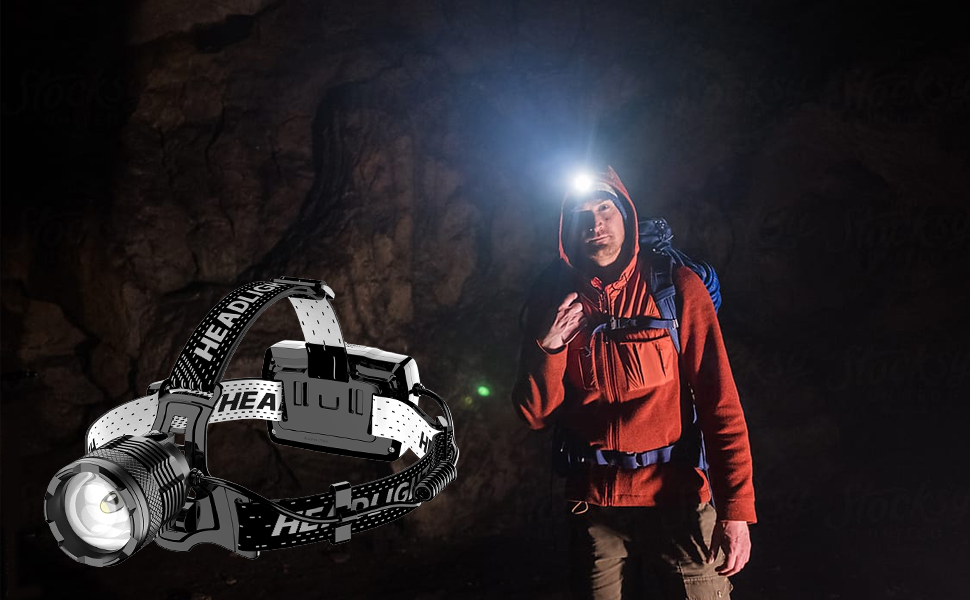
In more demanding environments—such as remote trails, night navigation, or emergency situations—headlamps need to deliver dependable performance. Higher brightness levels can assist in orientation and signaling, while durable materials help withstand impacts, moisture, and dust.
For these situations, features like water resistance, robust housing, and reliable power sources are particularly valuable. A dependable headlamp can become an important part of personal safety equipment when conditions are uncertain.
Conclusion: One Tool, Multiple Roles
From everyday urban tasks to challenging outdoor environments, headlamps demonstrate strong versatility. By adjusting brightness, beam patterns, and wearing comfort, a single headlamp can support a wide range of activities. Choosing the right model depends not on extreme specifications, but on how well its features align with real-world usage scenarios.
A thoughtfully designed headlamp is not limited to one setting—it adapts as users move from city streets to the wilderness.


