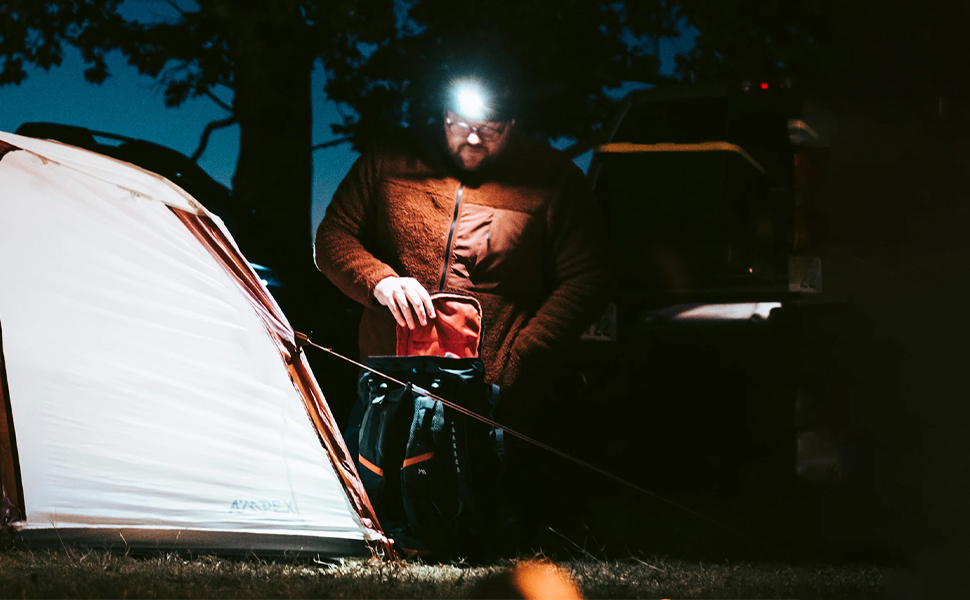
Natural light is unpredictable. Weather changes, early nightfall in dense woods, or the need for pre-sunrise starts can plunge you into darkness sooner than expected. In such conditions, a headlamp becomes more than a convenience—it becomes a critical safety tool.
Without proper lighting, your ability to judge terrain, spot obstacles, or read a map is significantly impaired. This increases the risk of trips, falls, or even getting lost.
Unlike flashlights, headlamps free up both hands. This is essential when climbing, adjusting gear, or navigating uneven ground. A focused beam that follows your line of sight allows for better coordination and awareness.
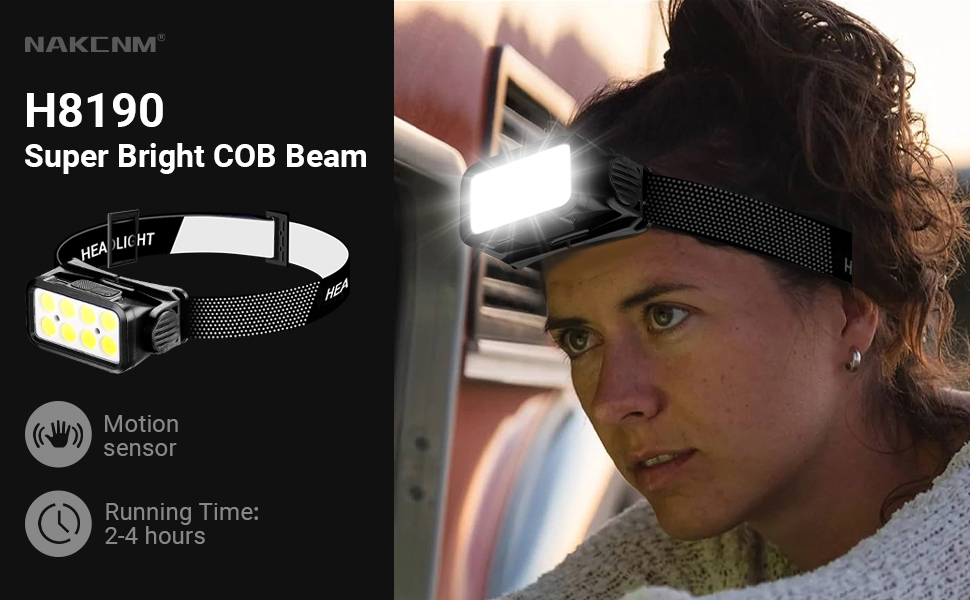
Many modern headlamps offer adjustable brightness levels and beam modes. This helps you conserve battery life and adapt to different needs—whether you're walking a trail, cooking at camp, or signaling for help.
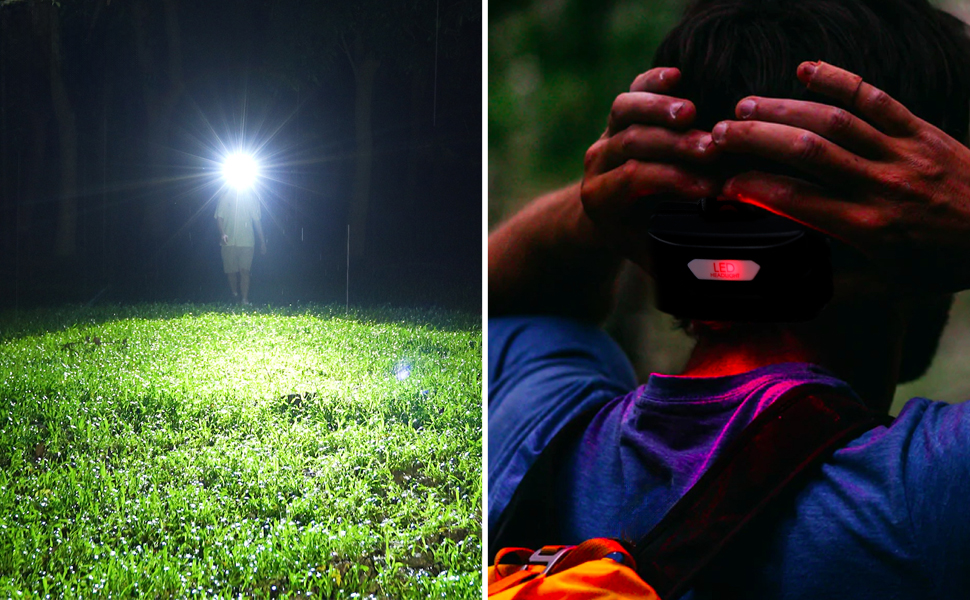
Some headlamps include a red or rear warning light, improving your visibility to others in a group or to cyclists and drivers on shared paths. This added visibility is especially important in low-visibility environments like fog, rain, or snow.
When selecting a headlamp for outdoor use, consider these safety-related features:
Brightness Range: Choose models with sufficient lumens for your activity. Night hiking typically requires at least 150–200 lumens.
Battery Life: Longer battery life means fewer worries in emergencies. Rechargeable options with backup battery compatibility are ideal.
Water Resistance: Look for IP-rated designs that can withstand rain or splashes.
Comfort and Fit: A secure headband ensures the light stays steady, reducing distraction or discomfort during long use.
While headlamps are often seen as basic equipment, they play a major role in outdoor safety. From preventing minor injuries to enabling navigation in emergencies, the right lighting can be a lifesaver.
So the next time you prepare for an adventure, think beyond just lighting your way—think about protecting your safety.