When it comes to outdoor adventures—be it camping, hiking, cycling, or diving—the color temperature of your lighting equipment plays a more significant role than many realize. While brightness and battery life often take center stage, the color of light—whether warm, cool, or neutral—can noticeably impact comfort, visibility, and safety.
Understanding Light Color Temperatures
Color temperature is measured in Kelvin (K). Here's a quick overview:
-
Warm light (below 3500K): Tends to have a yellow or amber tone.
-
Neutral light (around 4000K–4500K): Closely resembles natural daylight.
-
Cool light (above 5000K): Appears bluish and crisp.
Each type of light offers distinct benefits depending on the situation.
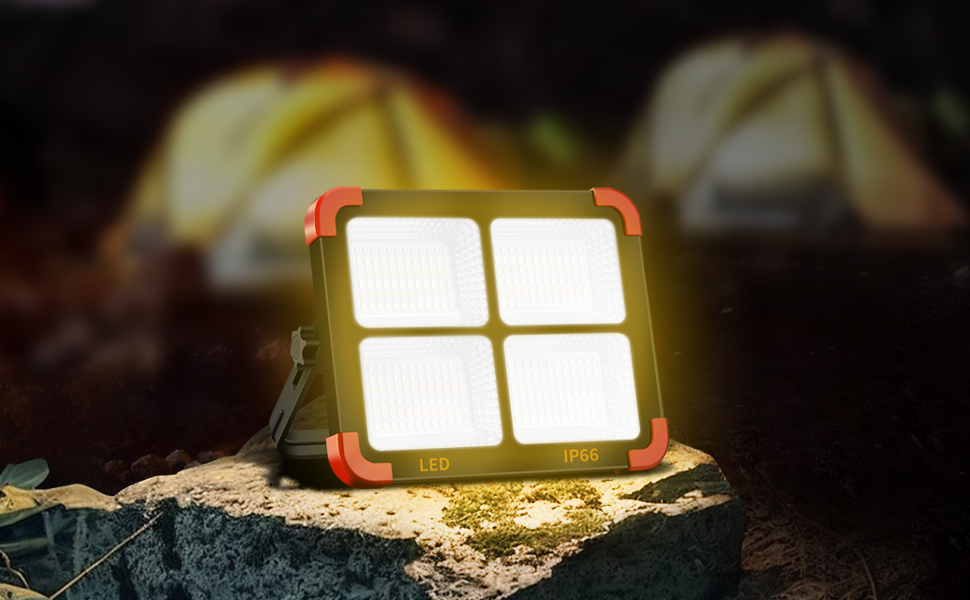
Warm Light: Comfortable and Soothing
Warm light is gentle on the eyes, which makes it ideal for relaxing activities like sitting around a campsite or reading in a tent. It creates a cozy atmosphere, reduces glare, and minimizes disturbance to your natural night vision. It's also less likely to attract insects, which can be a bonus during summer camping.
Use Cases:
Cool Light: Crisp and High-Contrast
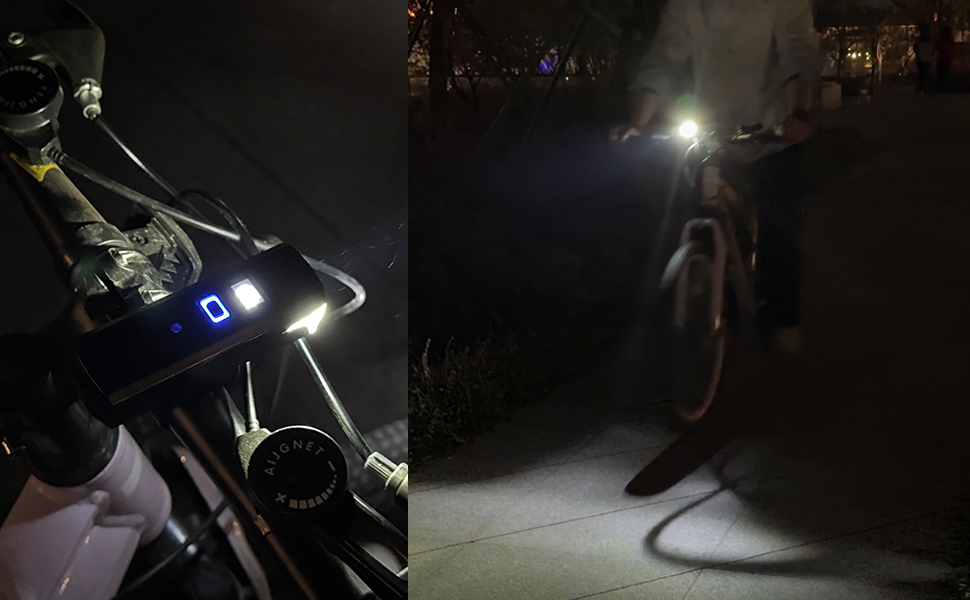
Cool light mimics the brightness of a clear, sunny day. It offers higher contrast and sharper detail, which can improve visibility in technical or fast-paced environments. For tasks that require precision—such as biking at night, night diving, or navigating rocky terrain—cool light enhances object definition and distance awareness.
Use Cases:
-
Mountain biking
-
Diving lights
-
Night navigation
However, prolonged exposure to cool light may cause eye strain in close-range settings, and its intense brightness may disrupt night adaptation.
Neutral Light: Balanced and Versatile
Neutral white light strikes a balance between warm and cool tones. It provides a natural appearance of colors and is often preferred for general-purpose outdoor use. It can be especially useful in situations where accurate color rendering is important, such as identifying trail markers or evaluating gear.
Use Cases:
Choosing the Right Light for the Right Activity
There is no “best” light color for all outdoor situations. The optimal choice depends on your specific activity and environment:
-
For comfort and ambiance: Warm light.
-
For clarity and focus: Cool light.
-
For all-around versatility: Neutral light.
Some modern flashlights and headlamps now allow users to switch between color temperatures, offering flexibility without needing multiple lights.
Conclusion
While often overlooked, light color temperature is an important factor in outdoor lighting. Understanding its effects helps you choose gear that enhances your experience without compromising safety or comfort. Whether you’re navigating a dark trail or relaxing in your tent, the right light color can make a noticeable difference.


