Spending a night outdoors brings a sense of freedom and connection with nature, but once the sun sets, dependable lighting becomes essential. Solar camping lights offer a practical and eco-friendly solution by harnessing energy during the day and turning it into illumination for the night. In this blog, we’ll explore how solar camping lights work, the technology behind them, and the differences between common types available on the market.
1. Capturing Energy During the Day
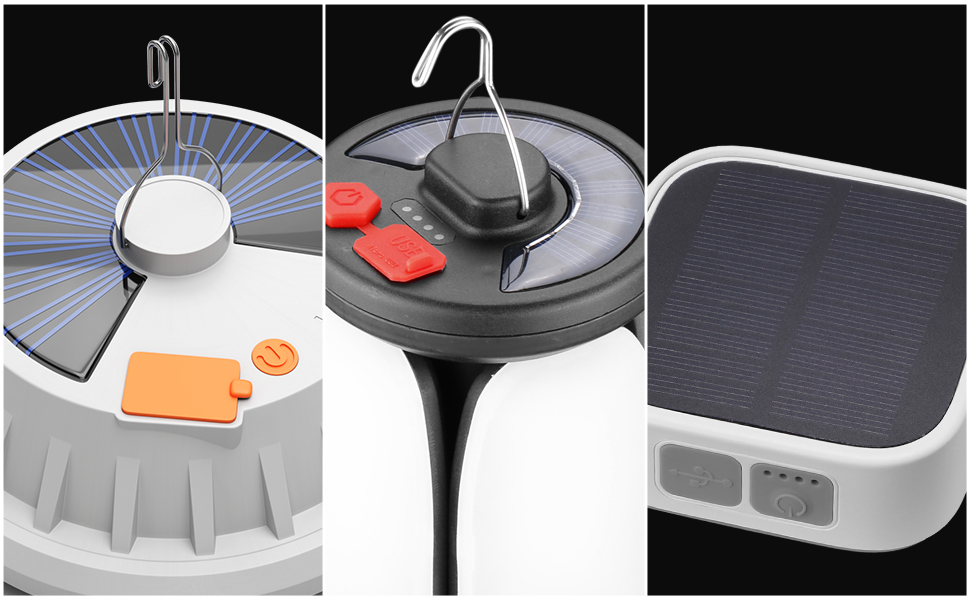
At the heart of every solar camping light is a solar panel, typically made of photovoltaic (PV) cells. These cells absorb sunlight and convert it into direct current (DC) electricity through the photovoltaic effect. The energy harvested is then stored in an internal rechargeable battery—usually a lithium-ion or lithium-iron phosphate battery—so the light can operate when the sun goes down.
Key components involved in the charging process:
-
Photovoltaic panel – Converts sunlight into electricity.
-
Battery – Stores electricity for later use.
-
Charge controller – Regulates voltage and prevents overcharging.
2. Lighting Up the Night
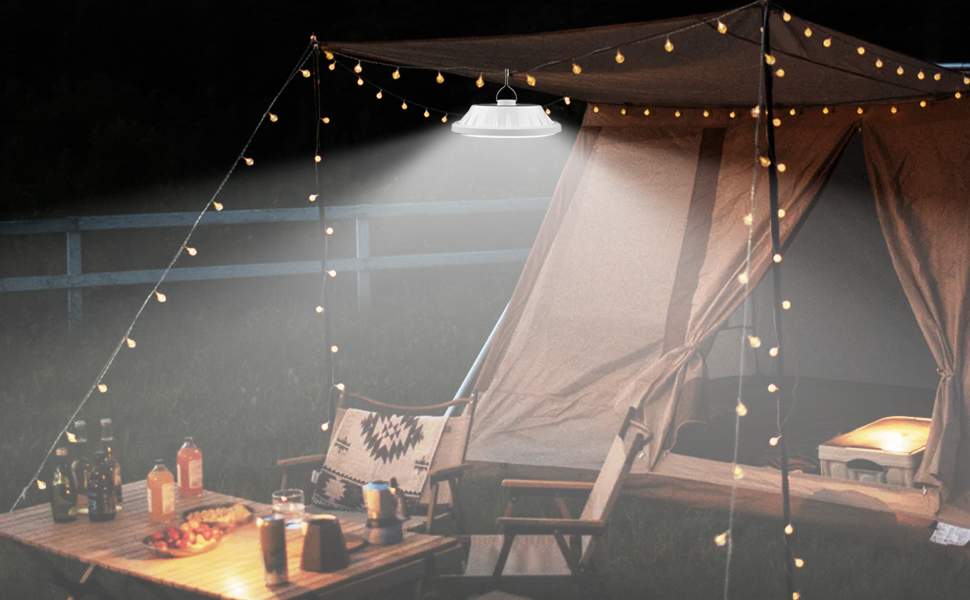
When darkness falls, the stored energy is used to power LED bulbs in the lamp. Most solar camping lights are equipped with light sensors or manual switches that activate the light automatically or on demand. LED technology is commonly used because of its high energy efficiency and long lifespan.
Lighting duration depends on:
-
The amount of sunlight absorbed during the day
-
Battery capacity (usually stated in mAh)
-
The brightness level or light mode selected (low, medium, high, or SOS)
3. Different Types of Solar Camping Lights
Not all solar camping lights are built the same. The design and mechanism can vary depending on intended use:
a) Compact Lanterns
-
Small, portable, and often foldable
-
Ideal for backpacking or emergency kits
-
May include hanging hooks or magnetic bases
b) Multi-Panel Folding Lamps
-
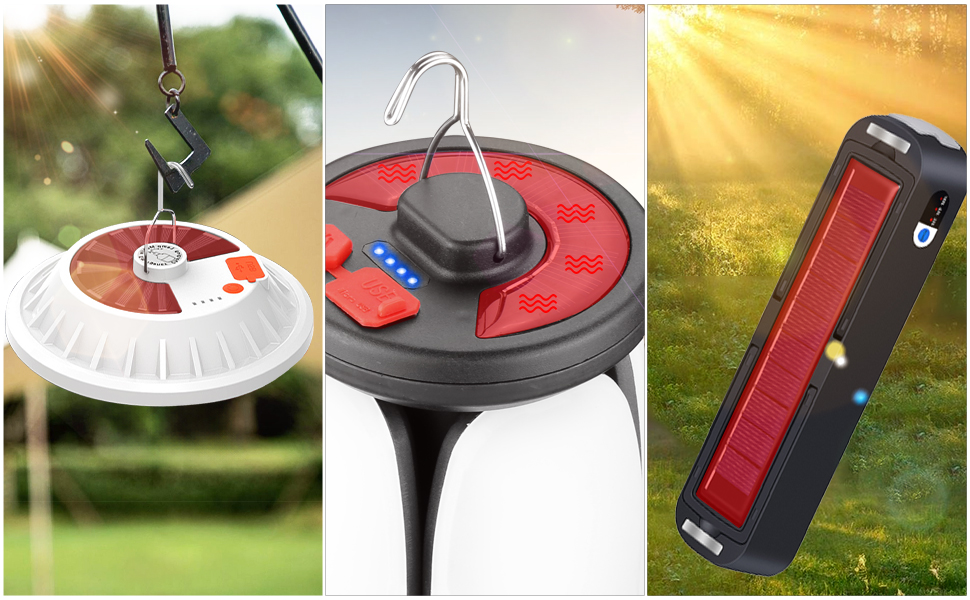
Equipped with multiple solar panels to maximize sun exposure
-
Often include adjustable lighting angles
-
Can also support USB charging for devices
c) Hybrid Solar Lights
-
Combine solar charging with Type-C or USB input charging
-
Offer flexibility in case of limited sunlight
-
Useful for longer trips or cloudy weather conditions
4. Factors That Influence Performance
The effectiveness of solar camping lights depends on several real-world factors:
-
Weather conditions: Overcast skies reduce energy absorption.
-
Angle and duration of sun exposure: Flat or tilted panels placed directly under the sun perform better.
-
Battery health: Over time, battery efficiency may decline, affecting brightness and duration.
Proper positioning and maintenance can help optimize performance, ensuring the light charges fully during the day and lasts through the night.
Conclusion
Solar camping lights provide a smart and low-impact lighting solution for outdoor adventures. By understanding how they work—from energy absorption during the day to LED illumination at night—campers can make informed choices that enhance safety and comfort. Whether you're hiking, cooking, or just enjoying a quiet evening under the stars, the right solar light can make a noticeable difference.


