Choosing a reliable headlamp involves evaluating the bulb type, circuit design, housing material, and headband quality.
Light Source Bulb Model: Advantages and Disadvantages of LED and Xenon Bulbs
When selecting a headlamp, the type of bulb used is a crucial factor. LED bulbs are the most common choice due to their energy efficiency, long lifespan, and durability. They provide bright, consistent light and can offer various lighting modes. LEDs are also more shock-resistant compared to traditional bulbs. On the other hand, Xenon bulbs are known for their intense, bright light and are often used in high-performance headlamps. However, they consume more power and have a shorter lifespan compared to LEDs. Additionally, Xenon bulbs can be more fragile and are sensitive to impacts, making them less durable for rough outdoor activities.
NAKCNM Headlamp: HG8261A-K-CN
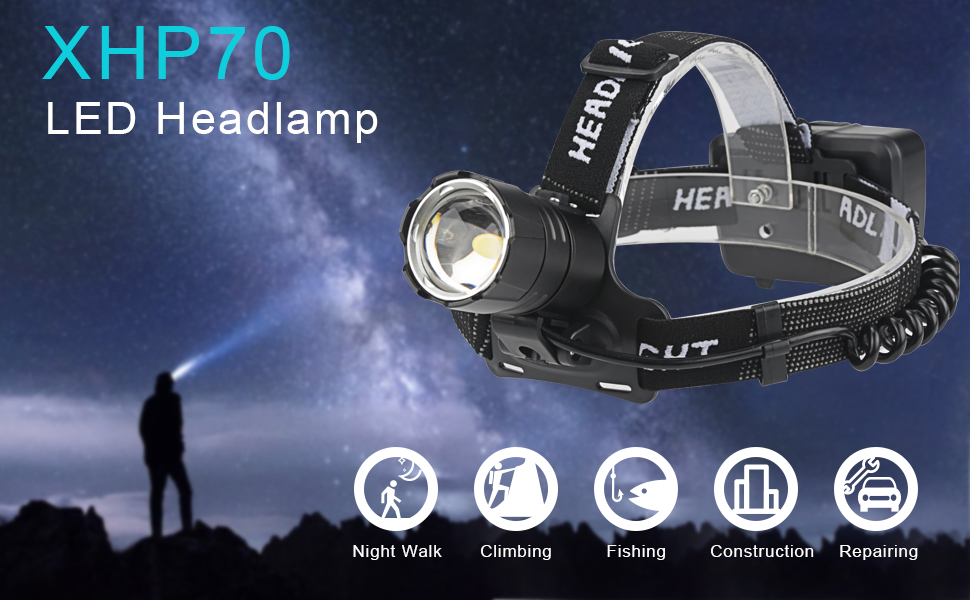
Circuit Design: Energy Efficiency
The circuit design of a headlamp significantly impacts its energy efficiency and overall performance. An energy-efficient circuit will maximize battery life, allowing for longer use between charges or battery replacements. Advanced headlamps often feature smart power management systems that automatically adjust brightness based on the remaining battery power, ensuring optimal light output without wasting energy. Look for headlamps with these features, as they can provide consistent illumination and extend the lifespan of your batteries. Additionally, consider headlamps that offer rechargeable battery options, which are more environmentally friendly and cost-effective over time.
NAKCNM Headlamp:Hight Brightness Headlamp
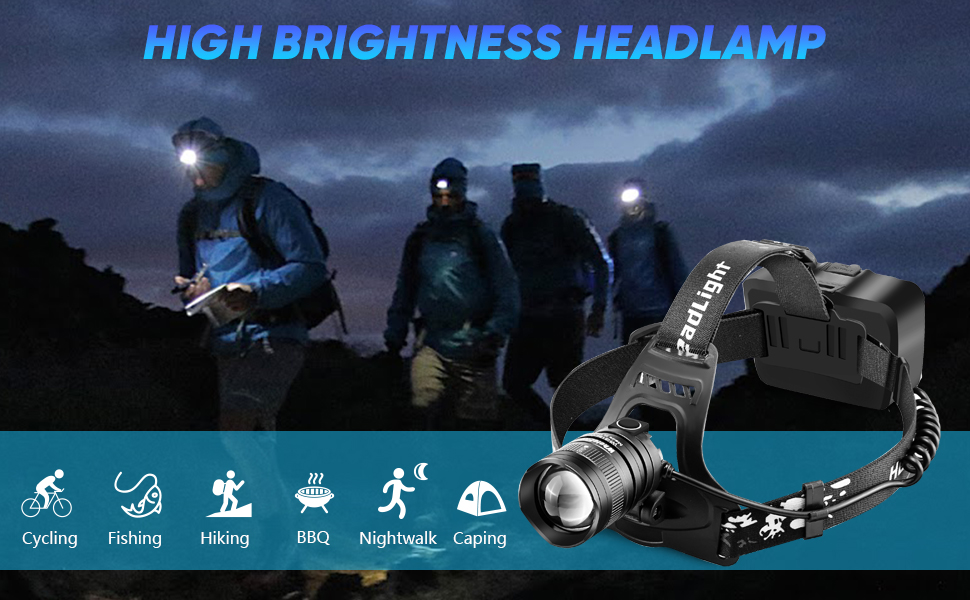
Headlamp Housing Material: Common PC Plastic and ABS Resin
The material of the headlamp housing plays a vital role in its durability and weight. Common materials include polycarbonate (PC) plastic and ABS resin. PC plastic is known for its high impact resistance and lightweight properties, making it ideal for headlamps used in rugged outdoor conditions. It can withstand significant wear and tear while remaining lightweight enough for comfortable extended use. ABS resin is another popular material, offering excellent toughness and resistance to physical impacts. However, it is slightly heavier than PC plastic, which may affect comfort during long periods of use. Both materials provide good protection for the internal components of the headlamp, ensuring reliability and longevity.
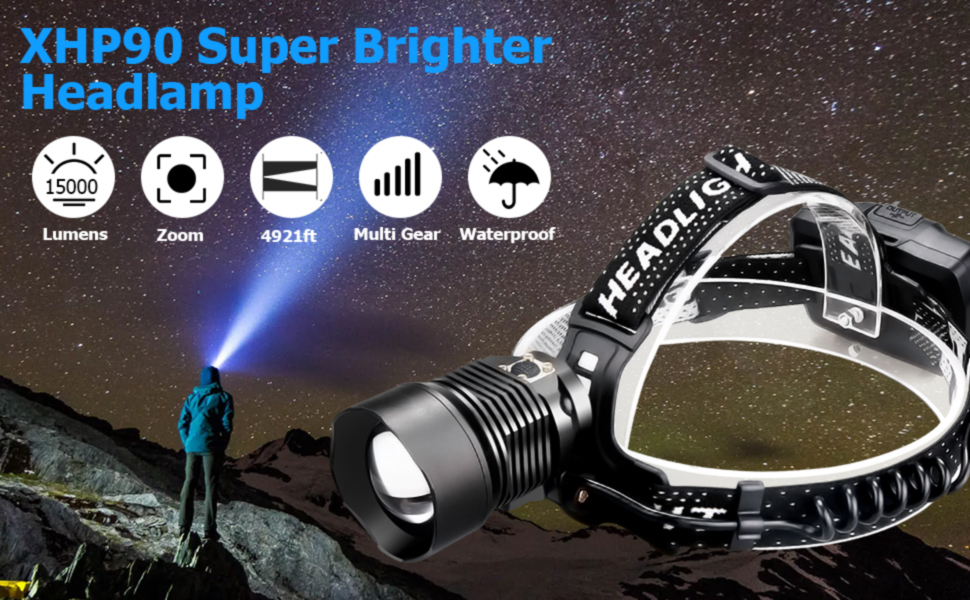
Headband Material: Benefits of High-Quality Materials and Drawbacks of Nylon
The comfort of a headlamp largely depends on the quality of the headband material. High-quality materials such as moisture-wicking fabrics and elastic straps offer superior comfort and adjustability. These materials are breathable, helping to keep your head cool and dry during extended wear. In contrast, nylon headbands, while durable, have several drawbacks. They tend to be stiff and lack elasticity, which can lead to discomfort and a poor fit. Wearing a nylon headband for long periods can cause headaches and dizziness due to its hard texture and poor flexibility. Therefore, choosing a headlamp with a high-quality, comfortable headband is essential for prolonged use.

Conclusion
Choosing a reliable headlamp involves evaluating the bulb type, circuit design, housing material, and headband quality. LED bulbs generally offer better efficiency and durability compared to Xenon bulbs. An energy-efficient circuit design can extend battery life and improve performance. Durable housing materials like PC plastic and ABS resin provide protection and longevity, while high-quality headbands ensure comfort during extended use. By considering these factors, you can select a headlamp that will deliver reliable performance and comfort in various outdoor conditions.


