Outdoor lighting plays an important role in camping, fishing, hiking, and emergency situations. Among the many lighting options available today, solar camping lights have become increasingly popular because they can recharge through sunlight and reduce the need for disposable batteries.
Why Solar Camping Lights Are Useful Outdoors
Solar camping lights provide a practical lighting solution for outdoor environments where electricity may not be available. During the day, the built-in solar panel collects energy from sunlight and stores it in the internal battery. At night, the stored energy powers the LED light.
This design makes solar lights particularly helpful for multi-day outdoor trips, remote camping locations, or emergency preparedness kits.
Key benefits include:
- Reduced dependence on disposable batteries
- Recharge capability during daytime activities
- Portable and easy to set up in outdoor spaces
- Suitable for both recreational and emergency use
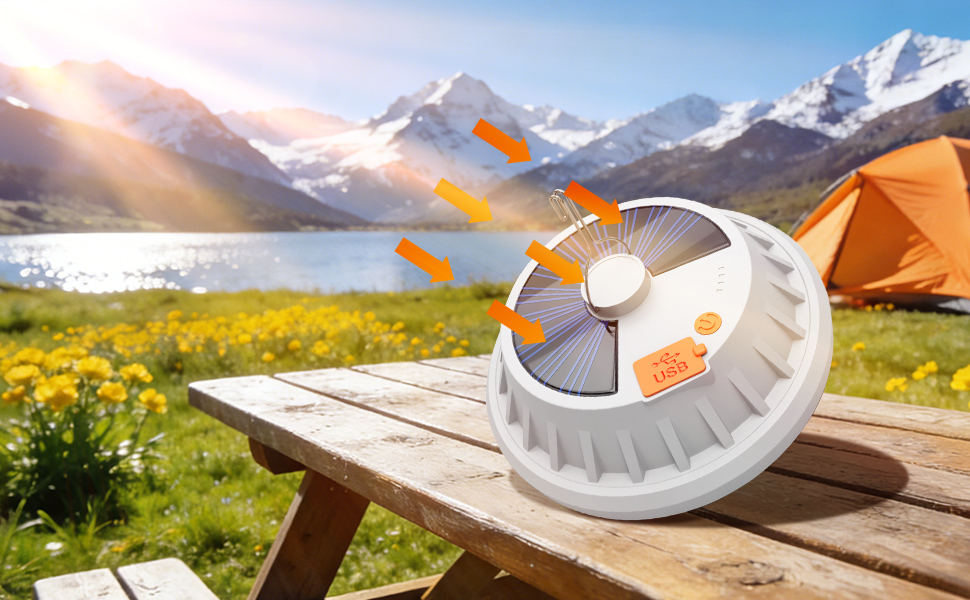
Scenario 1: Campsite Lighting
When camping overnight, the main goal of lighting is to illuminate the campsite area. A solar camping light used in this scenario should provide wide and comfortable lighting coverage rather than a narrow beam.
Features to consider include:
- High brightness LED panels to light up the tent or cooking area
- Multiple brightness modes to adjust lighting according to the activity
- 360-degree illumination for better coverage around the campsite
- Hooks or hanging design for easy installation inside tents or on tree branches
A hanging solar camping lantern can create stable ambient lighting for activities such as cooking, organizing gear, or relaxing at the campsite.
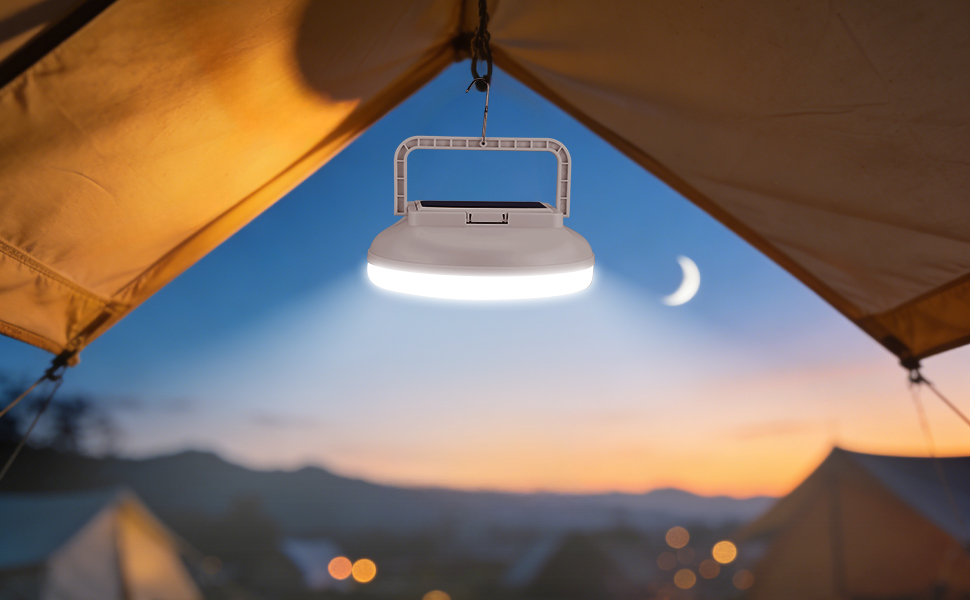
Scenario 2: Fishing and Lakeside Activities
Night fishing or lakeside camping requires lighting that can operate reliably for several hours. In these situations, battery capacity and runtime become important factors.
Recommended features include:
- Long operating time for extended nighttime use
- Stable brightness output to maintain visibility near water
- Water-resistant design for humid environments
- Portable size for easy transport in fishing gear
Solar camping lights with multiple brightness levels are particularly helpful here, allowing users to conserve battery power while maintaining sufficient visibility.
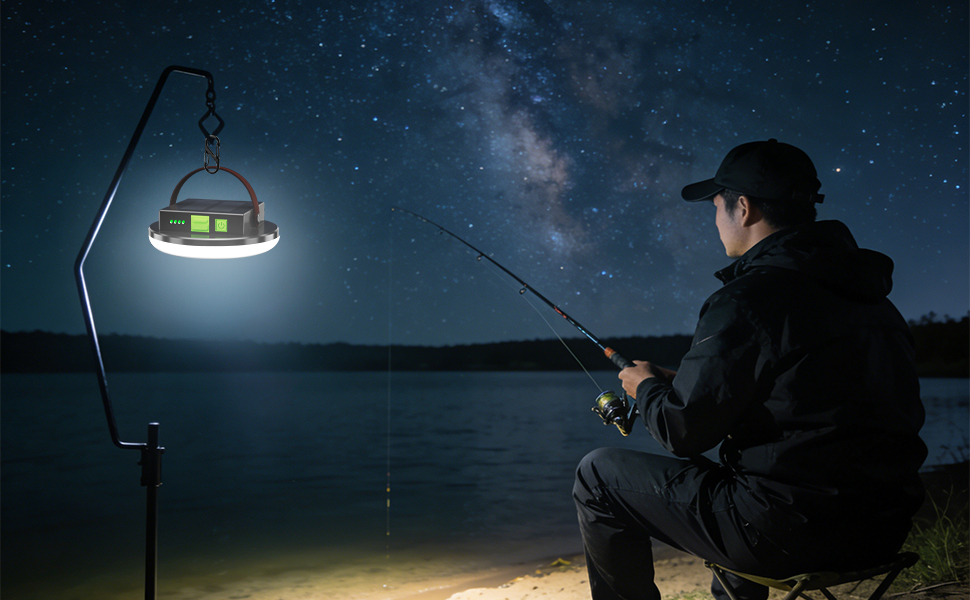
Scenario 3: Hiking and Temporary Rest Stops
During hiking or trekking trips, weight and portability are often top priorities. Lighting equipment should be compact and easy to carry.
For these situations, consider solar lights with:
- Lightweight construction
- Foldable or collapsible design
- Integrated handles or clips for attaching to backpacks
- Quick charging during daytime breaks
These portable lights can provide convenient illumination for short rest stops, campsite setup, or equipment organization during evening hours.
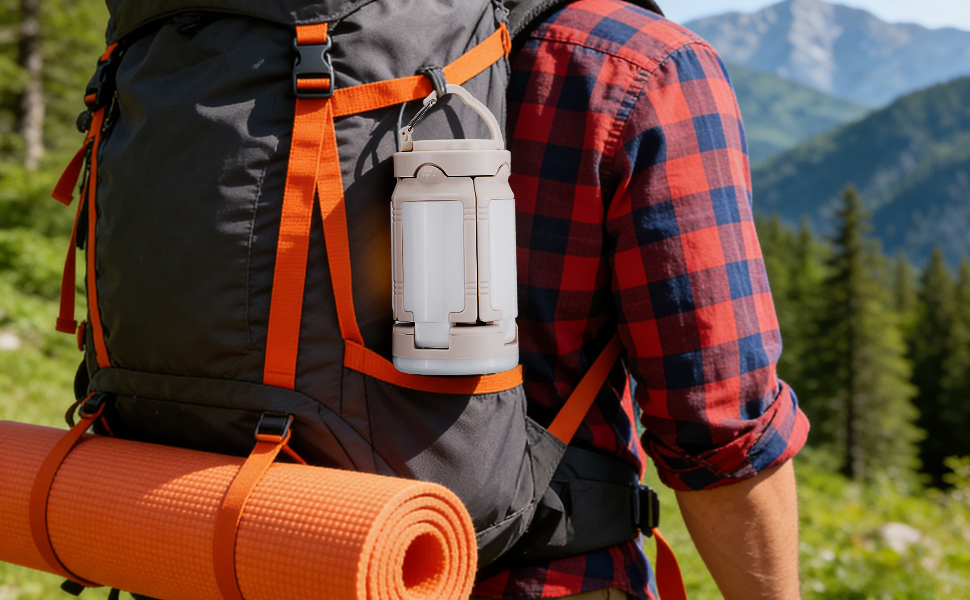
Scenario 4: Emergency and Backup Lighting
Solar camping lights can also serve as useful emergency lighting tools during power outages, storms, or unexpected outdoor situations.
Important features include:
- Reliable charging capability through solar panels
- Multiple lighting modes, including low-power modes for extended runtime
- Durable housing materials for long-term storage
- Simple operation, making them suitable for emergency kits
Because solar lights can recharge using sunlight, they can provide a backup lighting source even when traditional electricity is unavailable.
Additional Factors to Consider
Besides the outdoor scenario, there are several other factors worth considering when selecting a solar camping light.
Battery Capacity
A larger battery generally supports longer lighting time, which is useful for overnight activities.
Solar Panel Efficiency
A well-designed solar panel can improve charging performance during daytime exposure.
Durability and Weather Resistance
Outdoor lighting equipment should be able to withstand dust, moisture, and minor impacts.
Lighting Modes
Different brightness levels or flashing modes can provide flexibility for various activities.
Conclusion
Solar camping lights offer a practical lighting option for outdoor enthusiasts. By understanding the requirements of different scenarios—such as campsite lighting, fishing, hiking, or emergency use—users can select a solar light that better matches their needs.
Choosing the right solar camping light is not only about brightness. Factors like portability, battery capacity, charging method, and durability all play important roles in creating a reliable outdoor lighting experience.


