Choosing the right tactical flashlight for firearms can significantly enhance your performance, whether you’re engaging in self-defense, law enforcement, or military operations. From compact mini-lights to larger models with pressure switches (tail switches), the right tactical light must meet specific criteria. Here's a guide to help you select the best option.
Here's a guide to help you select the best option.
1. Size and Compatibility with Your Firearm
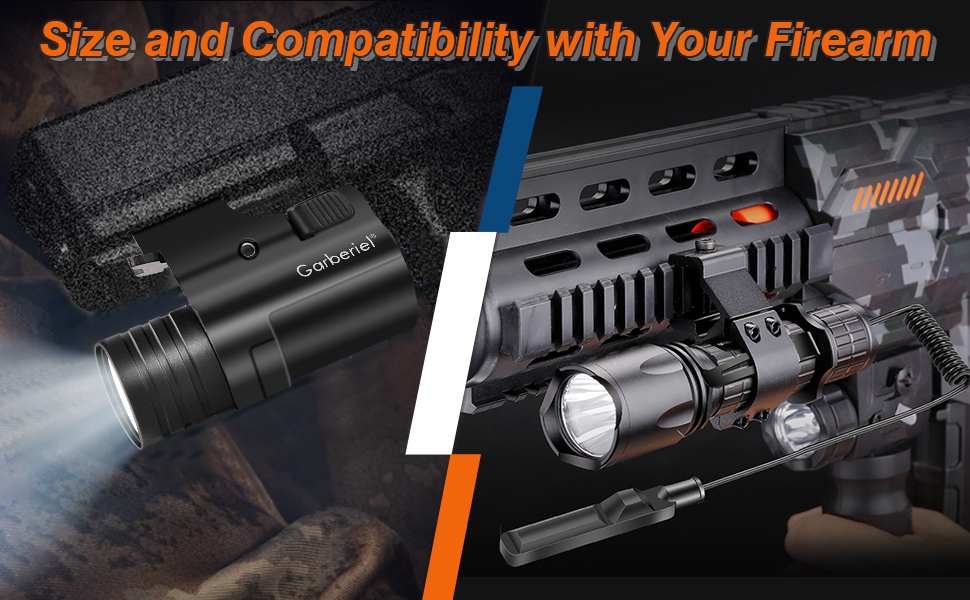
When selecting a tactical flashlight for a firearm, the size and mounting compatibility are critical. Consider the type of weapon you have:
- Mini tactical lights: Compact and lightweight, perfect for pistols or smaller firearms where weight and maneuverability are a priority.
- Larger flashlights: Typically used with rifles or shotguns, these lights may offer higher lumen output and additional features, like remote pressure switches for convenient activation.
Ensure the light is compatible with your firearm’s rail system, whether it’s Picatinny, Weaver, or M-LOK.
2. Lumens and Brightness
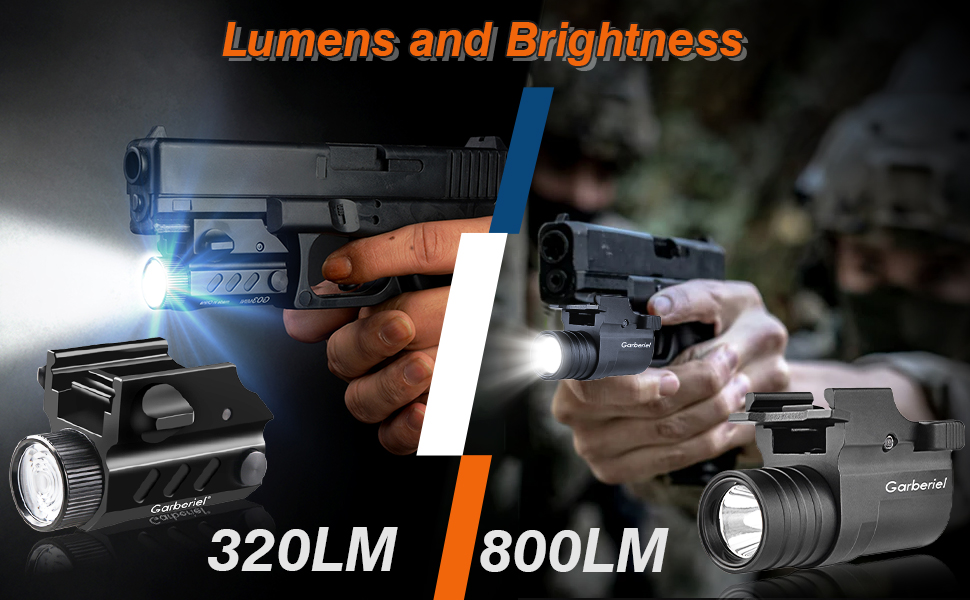
For tactical use, the brightness of the light plays a vital role in target identification and disorientation of threats. Here's what to consider:
- 300-500 lumens: Sufficient for most indoor operations and close-range engagements.
- 500-1000 lumens: Better for outdoor or longer-range situations, providing more light spread and visibility.
- 1000+ lumens: Ideal for blinding or disorienting potential threats in self-defense or high-stress situations.
Brightness should be adjustable, allowing you to tailor the light for different environments.
3. Switching Mechanism
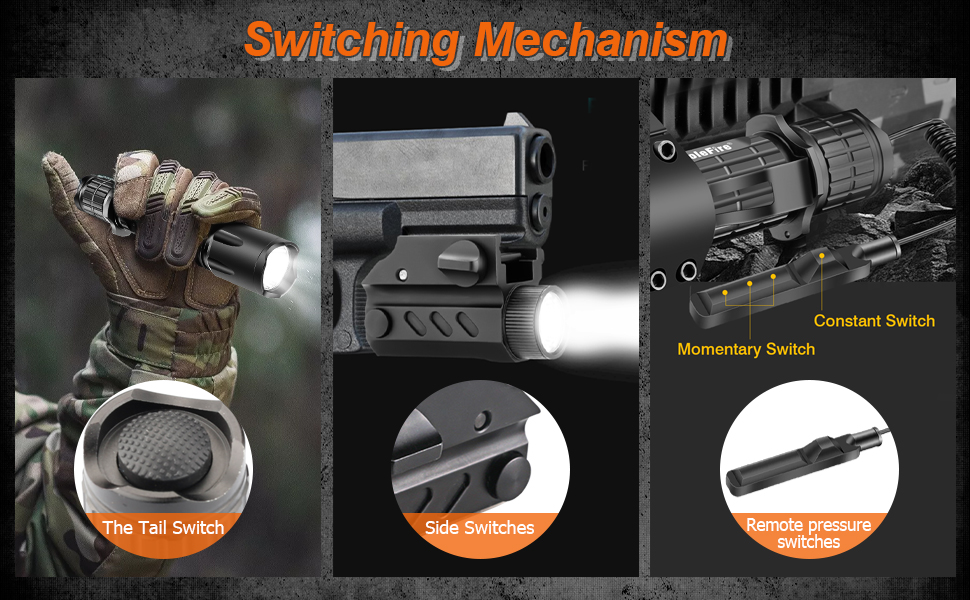
The switching mechanism is a key feature when using a tactical flashlight on a firearm. You need to operate the light without altering your grip or stance:
- Tail switches: Provide easy access for one-handed operation. Ideal for pistols or when you need quick on/off activation.
- Remote pressure switches: Often used with rifles, this option allows you to control the light from a convenient location on the firearm’s foregrip, giving you hands-free operation without losing focus on the target.
Ensure the switching mechanism matches your shooting style and grip.
4. Durability and Build Quality
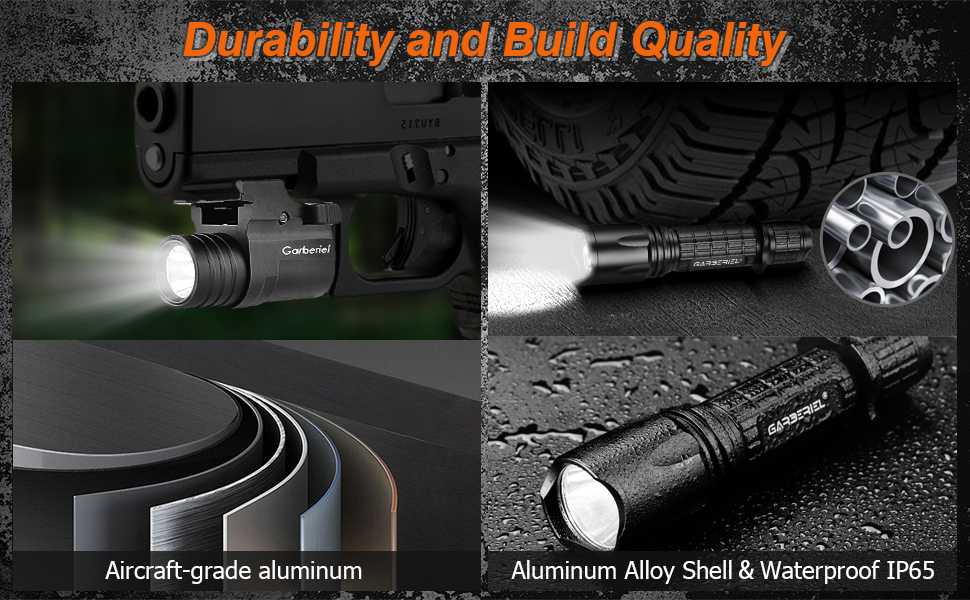
Given the rough conditions in which tactical flashlights are used, durability is essential. Look for the following qualities:
- Aluminum construction: Aircraft-grade aluminum ensures that the light can withstand recoil, drops, and harsh environments.
- Waterproof and shockproof ratings: A high IPX rating (such as IPX7 or IPX8) and drop resistance are crucial for reliable performance in any condition, from rain to dust to extreme temperatures.
Durability is particularly important for gun-mounted lights, which must endure recoil and vibrations.
5. Battery Life and Power Source
A reliable power source is critical, especially for extended operations:
- Rechargeable batteries: Often the preferred choice due to their longer life and eco-friendliness. Look for options with USB or Type-C charging ports for easy recharging.
- CR123A batteries: Common in tactical lights, these provide strong power but are disposable, meaning you should have spares on hand.
Ensure the light has a good runtime for your needs, ideally with power indicators or low-battery warnings.
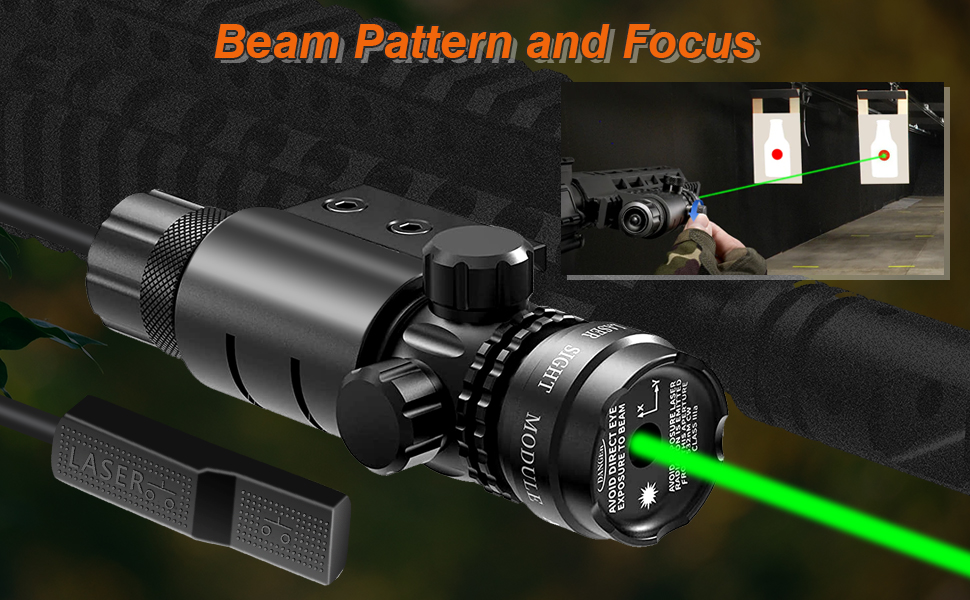
6. Beam Pattern and Focus
The beam pattern can affect how you see targets and your situational awareness:
- Focused beam: Useful for long-range shooting and target identification. It narrows the light into a tight spot for pinpoint accuracy.
- Wide beam: Ideal for close-quarters situations where you need to see a broader area, such as clearing rooms or scanning the environment.
Consider whether you need a light with adjustable focus or multiple beam modes.
7. Mounting Options and Accessories
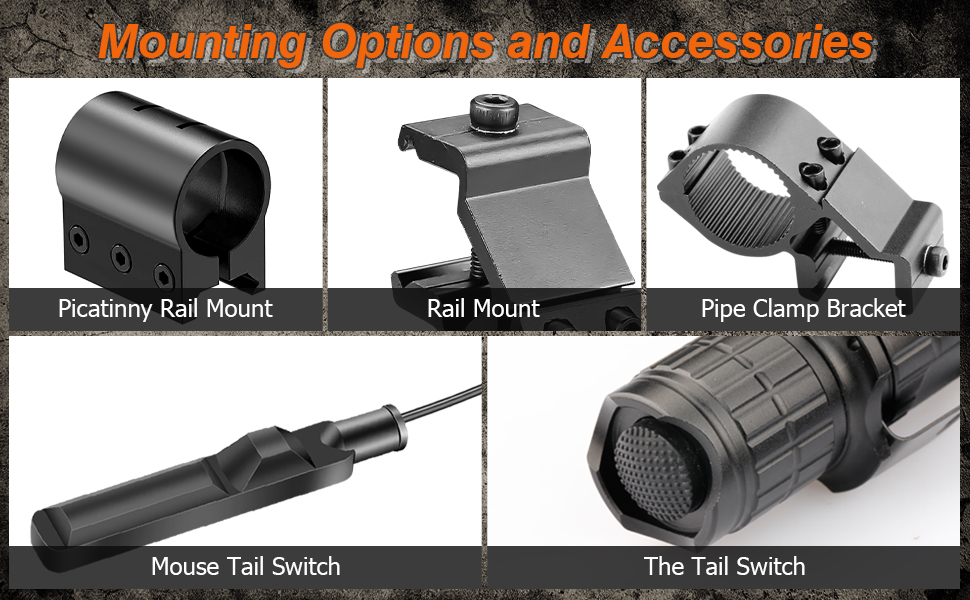
The ability to securely attach the flashlight to your firearm is crucial. Look for:
- Mount compatibility: Ensure the flashlight is compatible with your firearm’s rail system. Some lights come with mounts included, while others may require additional accessories.
- Pressure switch mounts: If using a remote pressure switch, make sure it can be mounted in a comfortable and accessible position for quick activation during use.
8. Budget
Your budget will influence the type of tactical flashlight you can purchase. While high-end models may offer premium features, like enhanced durability, longer battery life, and advanced switching mechanisms, more affordable options can still provide excellent performance for casual or non-professional users. Balance your needs with your budget, focusing on essential features like brightness, mounting compatibility, and durability.
Conclusion
Choosing the right tactical flashlight for your firearm is about finding the right balance between size, brightness, durability, and ease of use. Whether you need a compact light for close-quarters use or a more powerful model for outdoor engagements, carefully consider the features that will best serve your needs in the field. By selecting a reliable, well-built light with the right mounting and switching options, you’ll improve your tactical advantage in any situation.


