Diving flashlights are essential for underwater exploration, providing reliable illumination in dark environments. However, improper maintenance can lead to malfunctions, such as the flashlight failing after winter storage or stopping midway through a dive. To help you avoid these issues, here are some essential maintenance tips to keep your diving flashlight in top condition.
1. Check Waterproof Seals Before Diving
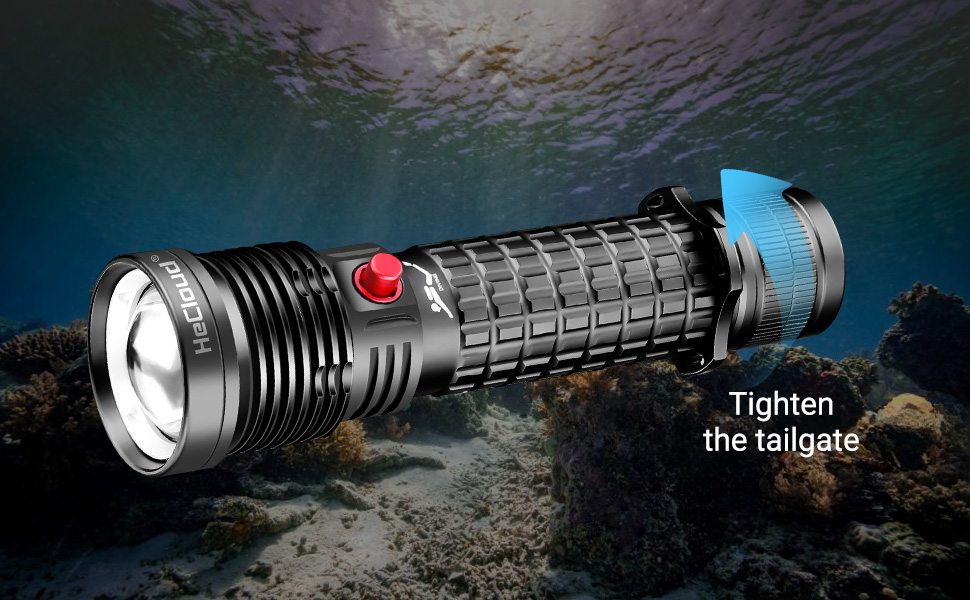
Before each dive, ensure that the battery cover and head cap are tightly secured. Any looseness can allow water to seep in, causing irreversible damage to the flashlight’s internal components. Always inspect the O-rings for wear and tear and apply silicone grease to maintain their waterproof integrity.
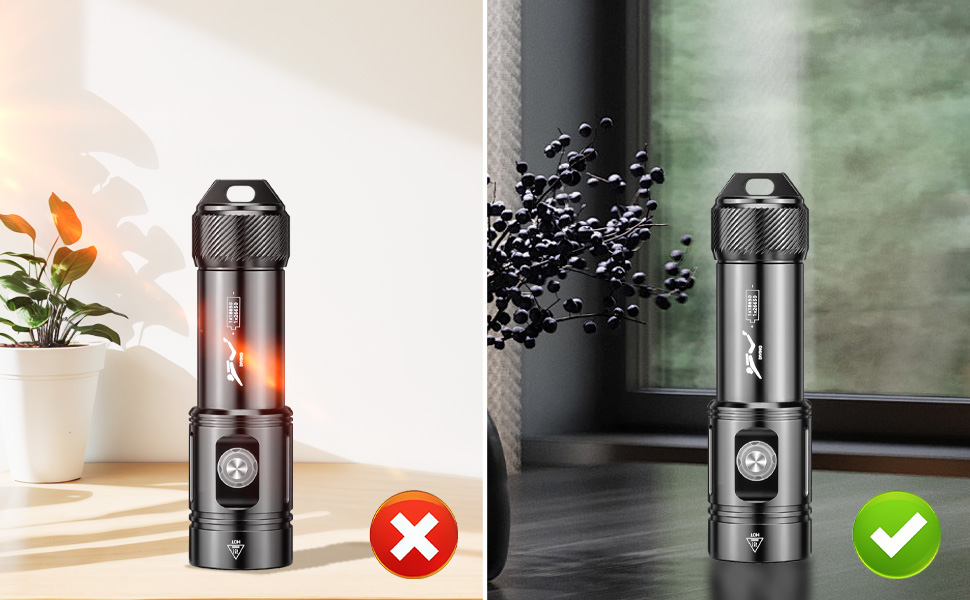
2. Avoid Direct Sunlight and Extreme Temperatures
Do not expose your diving flashlight to direct sunlight or leave it in excessively hot or cold environments. Extreme temperatures can degrade the flashlight’s battery and seals, leading to reduced performance and a shorter lifespan. Store it in a cool, dry place when not in use.
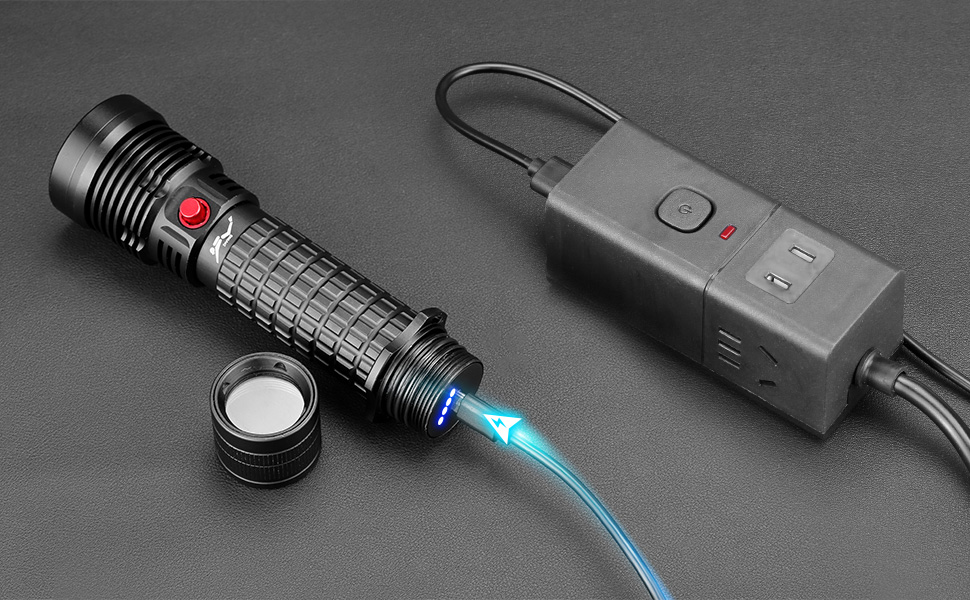
3. Charge the Battery Regularly
Recharge your flashlight at least once a month, even if it’s not in use. Batteries left uncharged for extended periods can lose capacity or become damaged, reducing the overall performance of your flashlight.
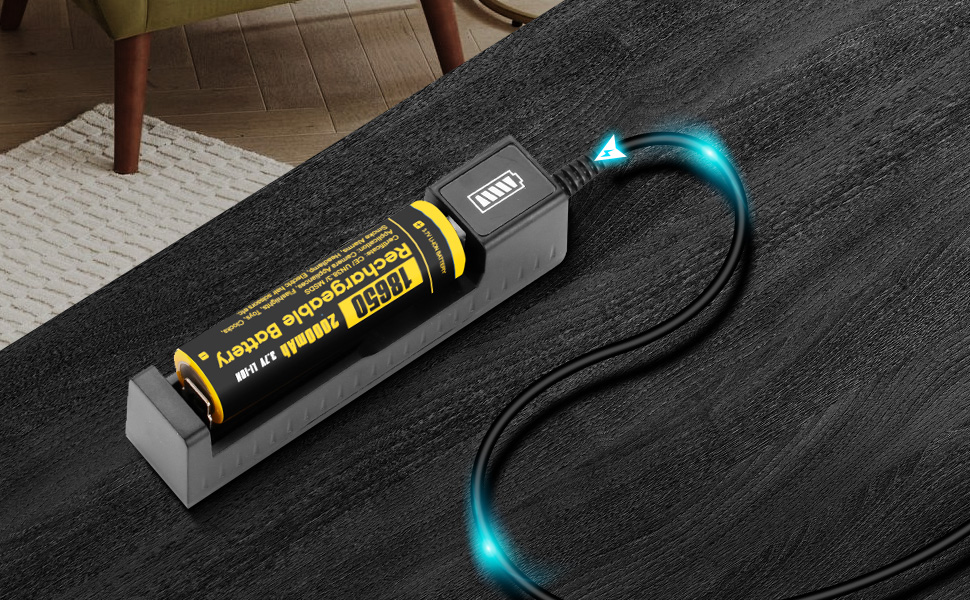
4. Avoid Deep Discharge of the Battery
If your flashlight’s battery level is low, recharge it promptly. Allowing the battery to remain in a deeply discharged state for too long can cause permanent damage, leading to a shorter lifespan or even failure to hold a charge.
5. Clean and Dry After Each Dive
After every dive, rinse your flashlight thoroughly with fresh water to remove salt, sand, or other debris. Dry it completely before storing it to prevent corrosion and ensure optimal performance.
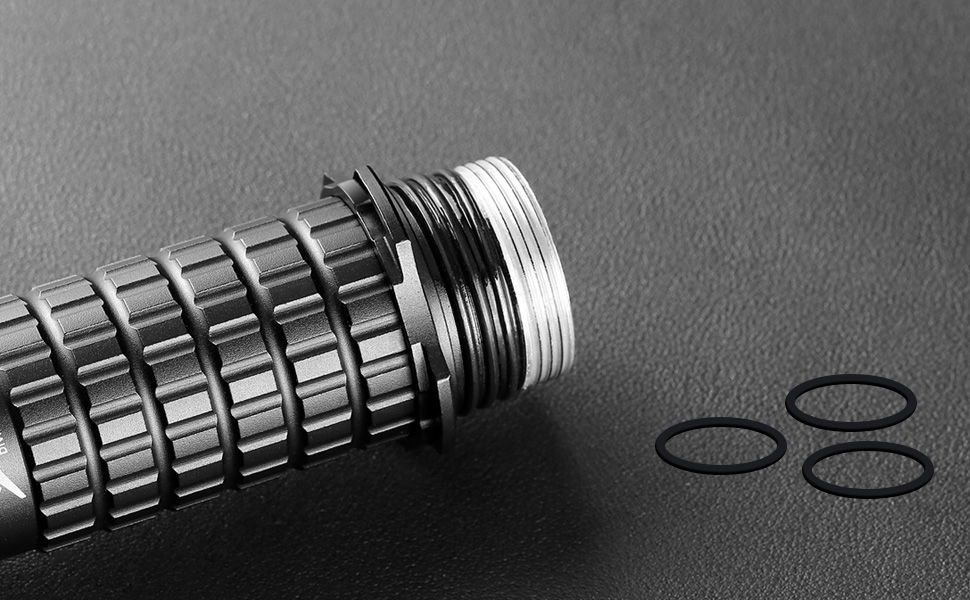
6. Inspect and Replace O-Rings Periodically
O-rings play a crucial role in keeping water out. Over time, they may degrade, crack, or lose elasticity. Regularly check and replace worn O-rings to maintain the flashlight’s waterproof capabilities.
7. Store Properly When Not in Use
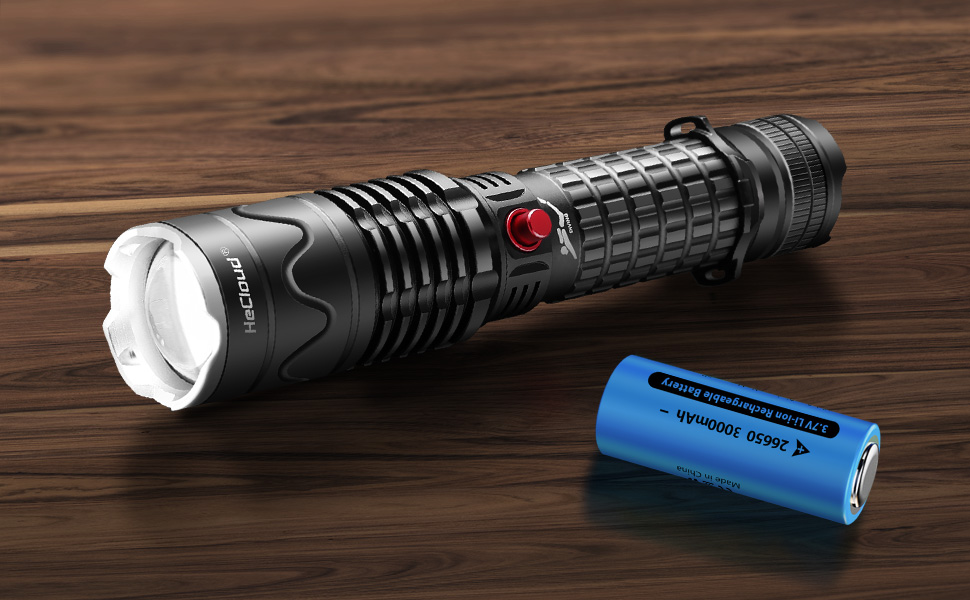
When storing your diving flashlight, remove the battery to prevent leakage or corrosion. Store the flashlight in a dry, temperature-controlled environment away from direct sunlight.
By following these maintenance tips, you can extend the lifespan of your diving flashlight and ensure it remains reliable for every dive. Proper care not only protects your investment but also enhances safety during underwater adventures.


