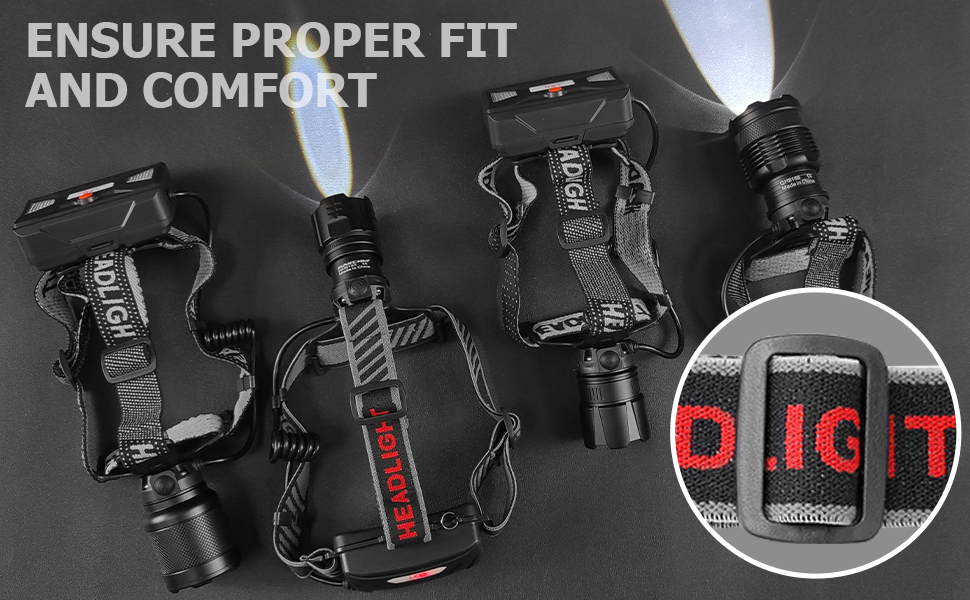
In an emergency, you’ll need both hands free. Ensure your headlamp is securely fitted, yet comfortable, so it doesn't distract you while attending to the injured. Adjust the strap beforehand to ensure a snug fit.
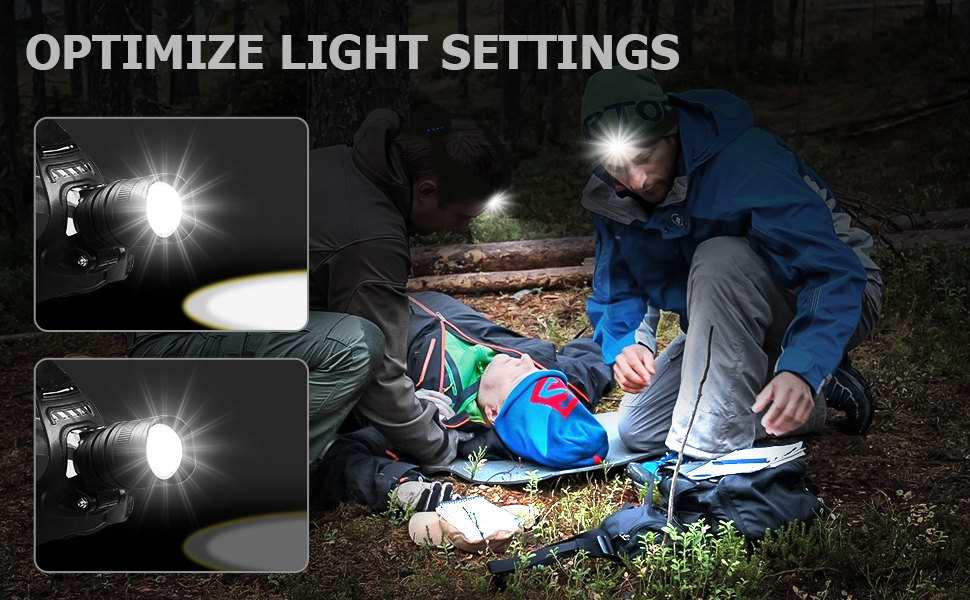
Most headlamps come with multiple light settings such as bright, dim, or strobe. Use the brightest setting to examine injuries, assess wounds, and perform precision tasks like bandaging or cleaning a cut. Switch to a lower brightness when moving around to save battery life. If your headlamp has a red light mode, this is useful for preserving night vision.
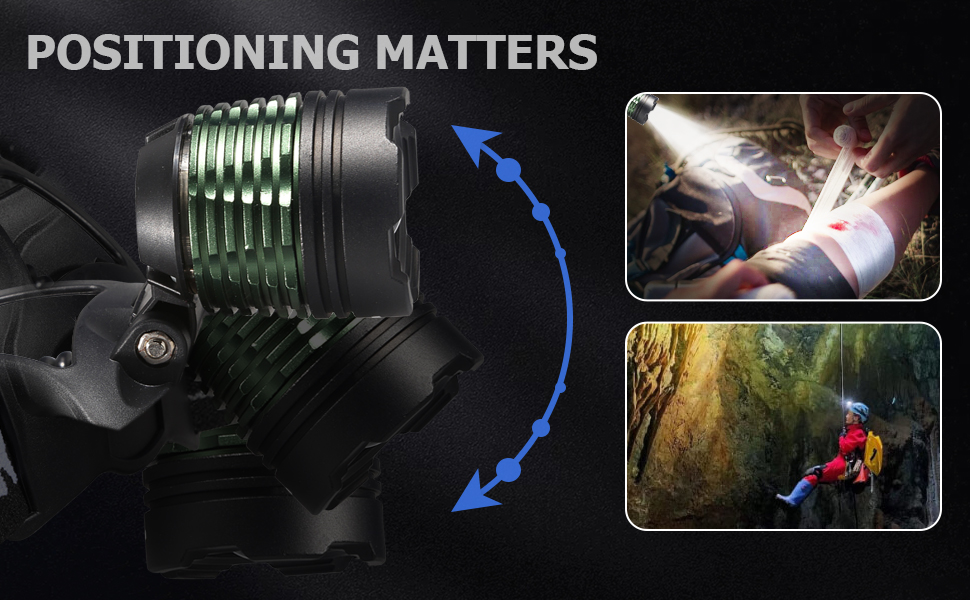
Aim the headlamp’s beam where you need the light most. For detailed work, tilt the light downwards to focus on the injury. If you need ambient light, point the headlamp upward toward a reflective surface like a tarp or rock wall to illuminate a wider area.
The biggest advantage of a headlamp is that it frees your hands for essential first aid tasks such as compressing wounds, tying bandages, or immobilizing limbs. Ensure that the headlamp is securely positioned so you can focus on providing care without adjusting the light constantly.
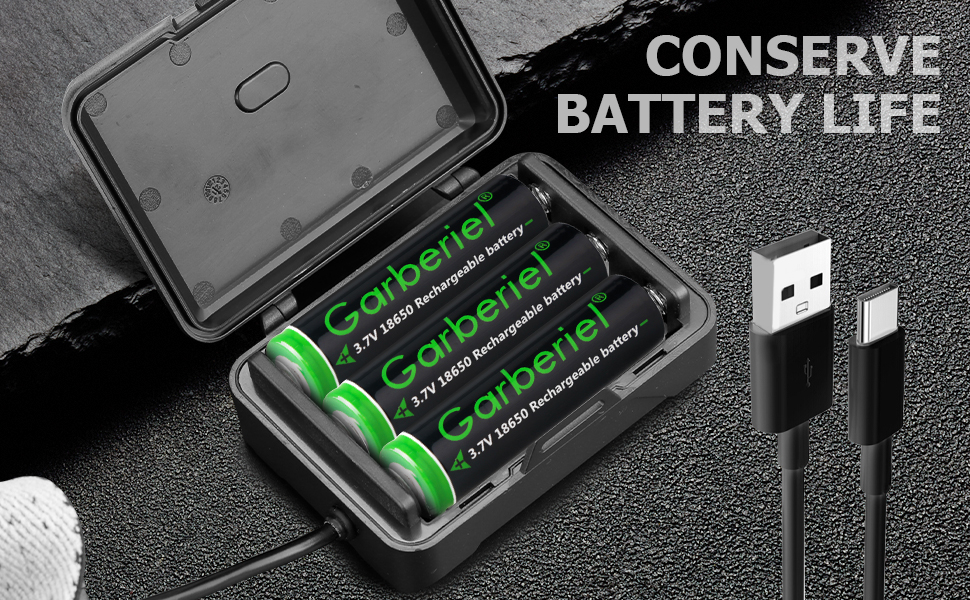
In an emergency, you may need the light for extended periods. Carry spare batteries or a backup headlamp. Utilize lower brightness settings whenever possible to extend battery life while still providing sufficient light to carry out tasks effectively.
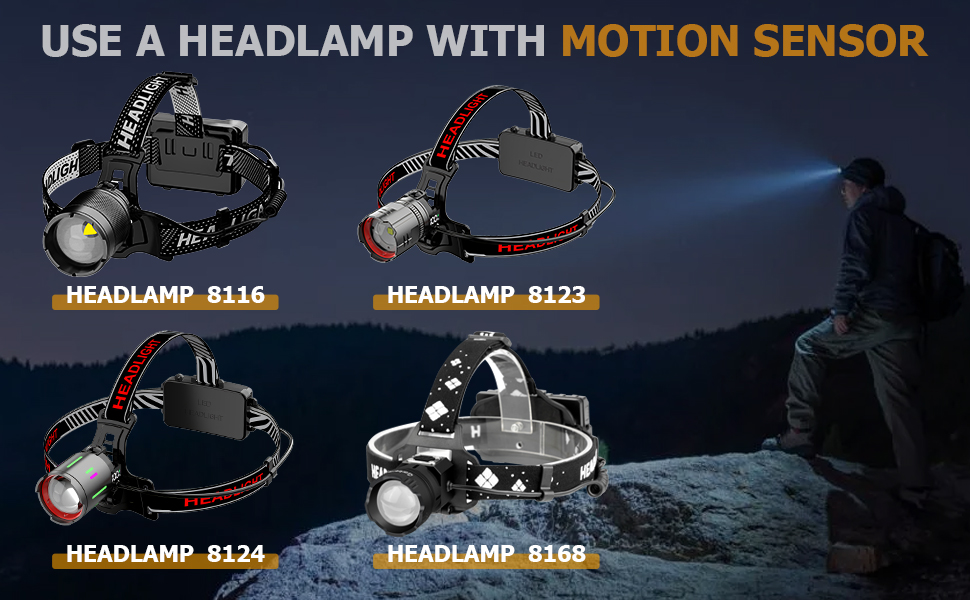
A headlamp with a motion sensor allows you to quickly turn the light on and off without fumbling for buttons, keeping your hands free and clean during first aid.
In an emergency, preparedness is key. By optimizing your headlamp usage and ensuring proper lighting in the dark, you increase the chances of a successful first aid operation, potentially saving lives. Always check your gear before heading into the wilderness, and practice using your headlamp in various scenarios to be fully prepared.