Exploring the underwater world is one of the most rewarding parts of diving. Vibrant corals, curious fish, and the calm rhythm of the ocean create a unique environment that many divers treasure. However, this environment is more sensitive than it may appear—especially when it comes to artificial light. Understanding how your dive torch interacts with marine life can help you enjoy safer and more responsible underwater adventures.
The Role of Light in the Ocean
Light behaves differently underwater. As depth increases, colors disappear gradually, and brightness drops sharply. Many marine organisms rely on low-light conditions to feed, hide, or communicate. Introducing strong artificial light may temporarily alter their natural behavior.
How Dive Torches Affect Marine Life
Although dive torches are essential for visibility and safety, they can influence marine organisms in several ways:
1. Disturbing Nocturnal Species
Many species are active primarily at night. When a strong beam suddenly illuminates them, they may flee or hide, interrupting feeding or breeding activities.
2. Causing Stress or Retreat
Some creatures—such as shrimps, lobsters, or small fish—are sensitive to sudden brightness. A focused, high-intensity beam may cause stress responses, including rapid movement or retreat into crevices.
3. Altering Predator–Prey Dynamics
Artificial light can unintentionally expose smaller creatures to predators. Predators attracted to light may take advantage of the visibility, affecting the local ecosystem balance.
4. Impact on Photosensitive Corals
Certain coral species react to abrupt light changes. Excessive illumination may disrupt their natural rhythms, especially if they are spawning or resting.
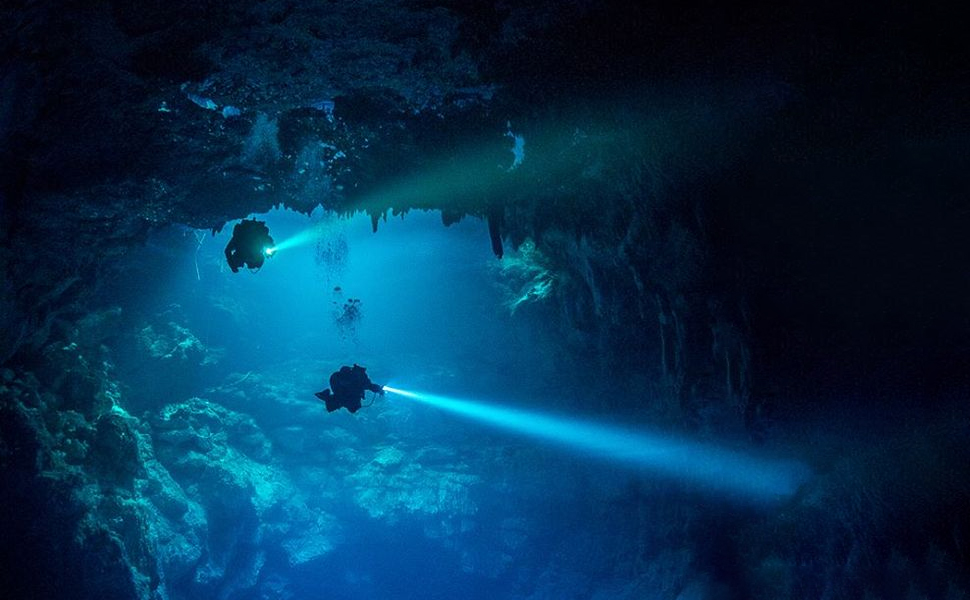
How to Use Your Dive Torch Responsibly
A dive torch remains an essential tool for safety and underwater navigation. With a few considerate practices, you can reduce its ecological impact:
1. Avoid Shining Directly at Marine Animals
Keep your beam slightly off-center to observe without overwhelming the creature.
2. Use a Lower Brightness Level When Possible
Modern dive lights often provide multiple brightness modes. Choosing a moderate level is usually enough for exploration while reducing disturbance.
3. Keep the Beam Wide for Close Observations
A wide-angle beam scatters light more gently and avoids startling sensitive species.
4. Practice Slow and Controlled Movements
Moving the beam slowly helps prevent sudden flashes that may frighten marine life.
5. Respect the Environment
If an animal appears stressed or tries to escape from the light, point the beam away and give it space.
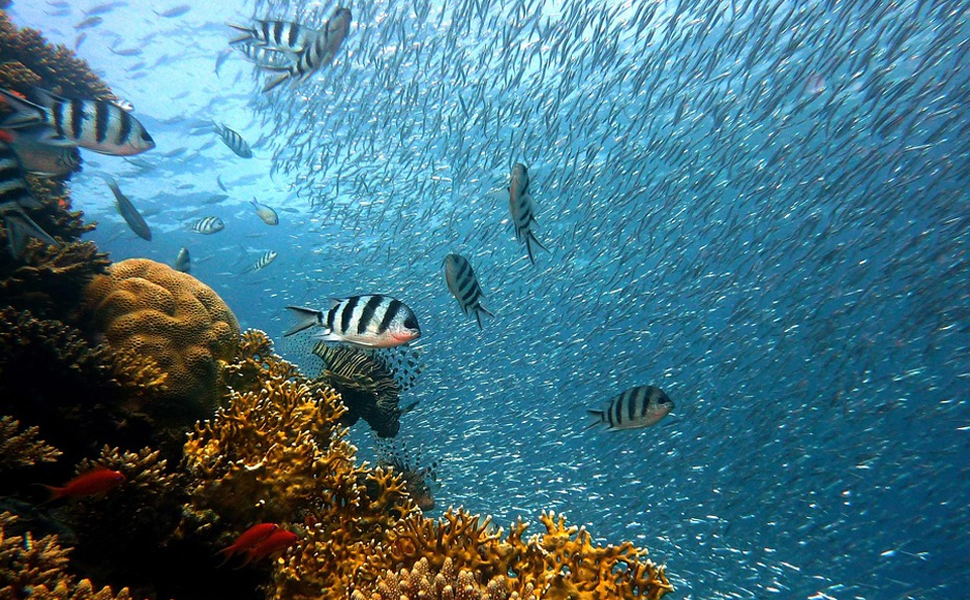
The Balance Between Exploration and Conservation
Diving allows us to appreciate the ocean’s beauty up close. By understanding the influence of artificial light and applying thoughtful torch usage, we can protect the fragile ecosystems we enjoy so much. Responsible lighting not only improves the diving experience but also supports a healthier ocean environment for future generations.


