Night diving is an exhilarating aspect of scuba diving that allows divers to explore the underwater world under the cloak of darkness. This unique experience reveals an entirely different side of marine life, as many creatures become active at night.
I. Introduction to Night Diving
Night diving is an exhilarating aspect of scuba diving that allows divers to explore the underwater world under the cloak of darkness. This unique experience reveals an entirely different side of marine life, as many creatures become active at night. From the enchanting glow of bioluminescent organisms to the stunning sight of nocturnal fish, night diving offers divers an opportunity to witness nature in a new light. However, with this allure comes the necessity for heightened awareness and preparation to ensure a safe and enjoyable experience.

II. Importance of Proper Lighting in Night Diving
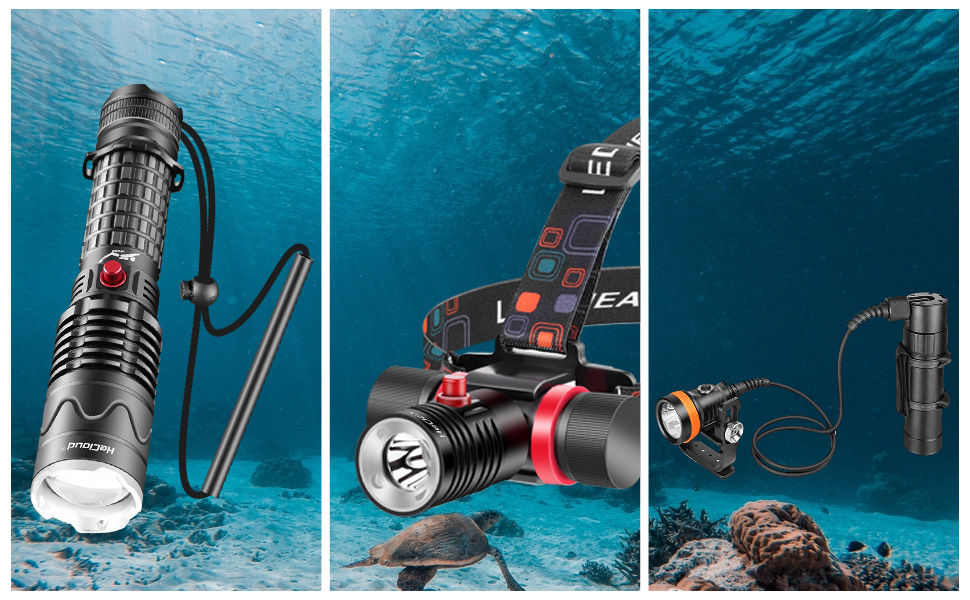
One of the most critical components of night diving is the use of appropriate lighting equipment, known as flashlight. There are various types of underwater lights available, including handheld dive lights, headlamps, and canister lights. When selecting a dive light, consider essential features such as brightness, battery life, and waterproof rating. A well-lit dive not only enhances your ability to see but also increases your safety by ensuring you can navigate effectively.
Lighting plays a vital role in revealing the vibrant life beneath the surface. Adequate lighting allows divers to spot nocturnal marine life that may remain hidden during the day. Moreover, it is imperative to understand the safety implications of inadequate lighting. Poor visibility can lead to disorientation, increasing the risk of accidents underwater. Therefore, investing in high-quality lighting equipment is essential for any night diving adventure.
III. Essential Safety Hand Signals for Divers
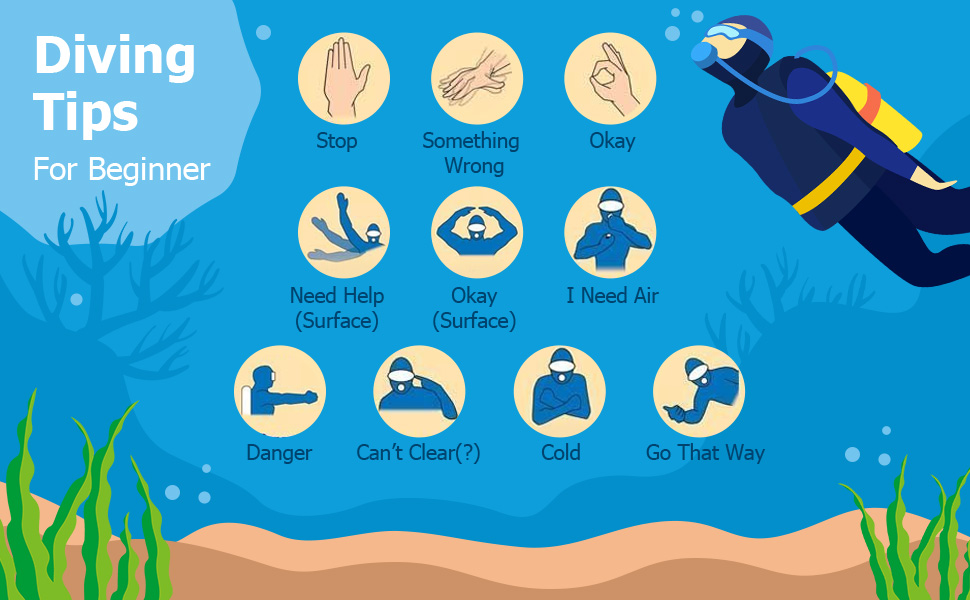
Communication underwater is crucial, especially during night dives where visibility may be limited. Mastering essential diving safety hand signals helps ensure that you and your dive buddy can convey important messages effectively. Common signals include "OK," "Help," and "Emergency." Each diver should be familiar with these signals and practice them before the dive.
Specific signals tailored to night diving scenarios are also important. For example, a diver may use a specific light pattern with their dive light to communicate a message. Practicing these hand signals and light patterns can foster confidence and enhance safety during your dive.
IV. Key Precautions and Considerations for Night Diving
Preparation is the cornerstone of a successful night diving experience. Before heading underwater, ensure that your diving equipment is thoroughly checked for functionality. This includes verifying that your dive lights, tanks, and regulators are in optimal condition. Additionally, the importance of buddy diving cannot be overstated; always dive with a partner for added safety.
Environmental considerations are also critical when planning your dive. Be aware of currents, tides, and visibility issues that may arise at night. Understanding any potential hazards unique to night diving, such as sharp coral reefs or curious marine animals, can help mitigate risks. Familiarizing yourself with the dive site during daylight hours will provide valuable insights that can enhance your safety and enjoyment during the night dive.

V. Tips for a Successful Night Diving Experience
Planning and organization are paramount for a successful night diving experience. Create a detailed dive plan with your buddy, outlining entry and exit points, as well as specific areas of interest. Familiarizing yourself with the dive site will help you navigate effectively when visibility is low.
Staying oriented underwater can be challenging, but employing techniques for navigation in low-light environments can significantly increase your confidence. Use natural landmarks, such as rock formations or coral structures, as reference points while diving. Your diving flahslight should also be used strategically to illuminate key areas and maintain awareness of your surroundings.
Lastly, encouraging relaxation and confidence in the water is essential. Anxiety can lead to mistakes, so practice deep breathing techniques and remind yourself to enjoy the experience. Embrace the beauty of the underwater world at night, and allow your passion for diving to guide you.

VI. Conclusion
In conclusion, mastering night diving requires a commitment to safety and preparation. Understanding the importance of proper lighting, effective communication through hand signals, and the necessary precautions can significantly enhance your night diving experience. We encourage divers to embrace continuous learning and practice safe diving habits. Consider enrolling in night diving courses to further develop your skills and share your experiences with fellow divers. Dive safely and enjoy the mesmerizing beauty of the ocean at night!


