Winter night diving offers a unique and quiet underwater experience. Fewer divers, calmer waters, and nocturnal marine life make it especially appealing to experienced divers. However, cold temperatures and limited visibility also bring additional challenges. Proper lighting plays a key role in making winter night dives safer and more comfortable.
1. The Main Challenges of Winter Night Diving
Diving at night in winter combines two demanding conditions: low temperatures and darkness.
Cold water can reduce hand flexibility and shorten dive time, making it harder to operate equipment. At the same time, winter waters often have lower natural light, especially at depth, which can affect orientation and situational awareness. Without reliable lighting, divers may struggle to read gauges, communicate with buddies, or observe their surroundings clearly.
Good preparation and the right lighting setup can help address these challenges effectively.
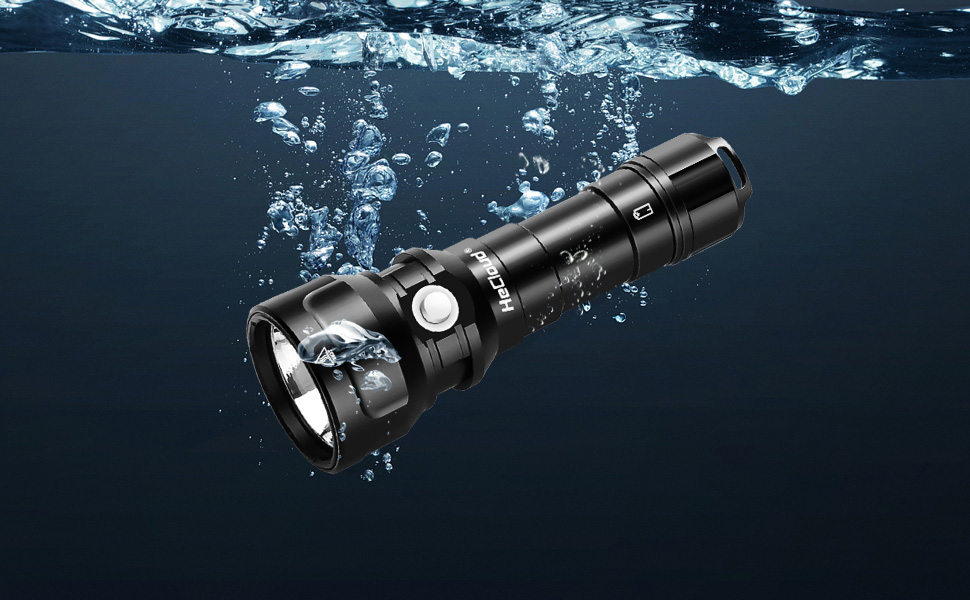
2. Why Lighting Is More Important in Cold Conditions
In winter, divers often wear thicker gloves and exposure suits. This makes equipment handling more difficult, especially when adjusting lights or switching modes underwater.
A well-designed dive light with an easy-to-use switch and stable output helps reduce unnecessary movement and stress. Consistent illumination allows divers to focus on buoyancy control and navigation rather than constantly adjusting their light source.
3. Choosing the Right Beam for Winter Night Dives
Different lighting needs arise during a winter night dive:
-
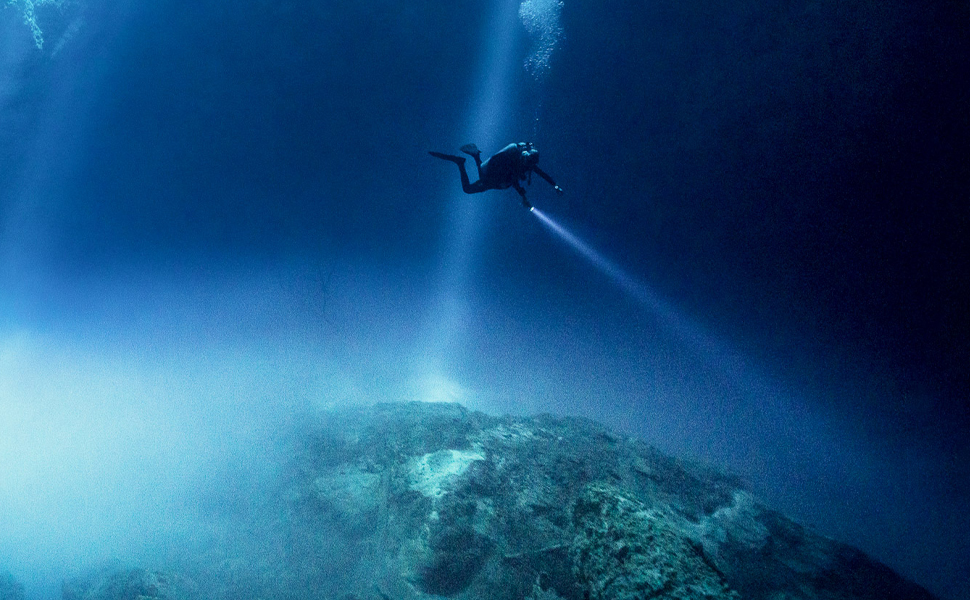
Wide beam lights are helpful for close-range observation, such as checking dive partners, examining underwater terrain, or enjoying marine life.
-
Focused beam lights provide better penetration in darker or murkier water, making them useful for navigation and signaling.
Using a primary light with a balanced beam, combined with a backup light, is a practical approach for winter diving, where visibility conditions can change quickly.
4. Battery Performance in Low Temperatures
Cold environments can affect battery performance. In winter night dives, it is important to use lights designed for stable operation in lower temperatures and to ensure batteries are fully charged before entering the water.
Carrying a backup dive light is strongly recommended. This not only adds a layer of safety but also helps maintain confidence if the primary light’s output decreases during the dive.
5. Practical Lighting Tips for Winter Night Diving
To make the most of your lighting in winter night dives:
-
Test your dive lights before entering the water.
-
Avoid unnecessary mode switching to conserve battery power.
-
Use light signals clearly when communicating with your dive buddy.
-
Secure lights properly to prevent accidental loss when wearing thick gloves.
These small habits can significantly improve comfort and safety during cold-water night dives.
Conclusion
Winter night diving can be both challenging and rewarding. Cold temperatures and darkness demand more from divers and their equipment, especially lighting. By choosing suitable dive lights, planning ahead, and understanding how winter conditions affect visibility and battery performance, divers can enjoy safer and more controlled night dives—even in the coldest seasons.


