Light is one of the most important factors that influence outdoor activities. Whether you are hiking before sunrise, setting up camp at dusk, or navigating a foggy trail, the way you manage light directly affects visibility and safety. Understanding how natural lighting changes—and knowing how to adjust your lighting tools accordingly—helps you stay aware of your surroundings and reduces unnecessary risk.
1. Early Morning Light: Soft, Dim, and Unpredictable
Morning light gradually increases, but the transition from darkness to dawn can still create uneven visibility. Shadows are long, terrain contrast is weak, and your eyes need time to adjust.
How to Choose Lighting
-
Use a headlamp with adjustable brightness so you can shift from stronger illumination before dawn to softer lighting as the sun rises.
-
A wide flood beam helps illuminate your immediate path without creating harsh glare.
-
Choose warm or neutral tones if possible, as they help improve contrast on natural surfaces.
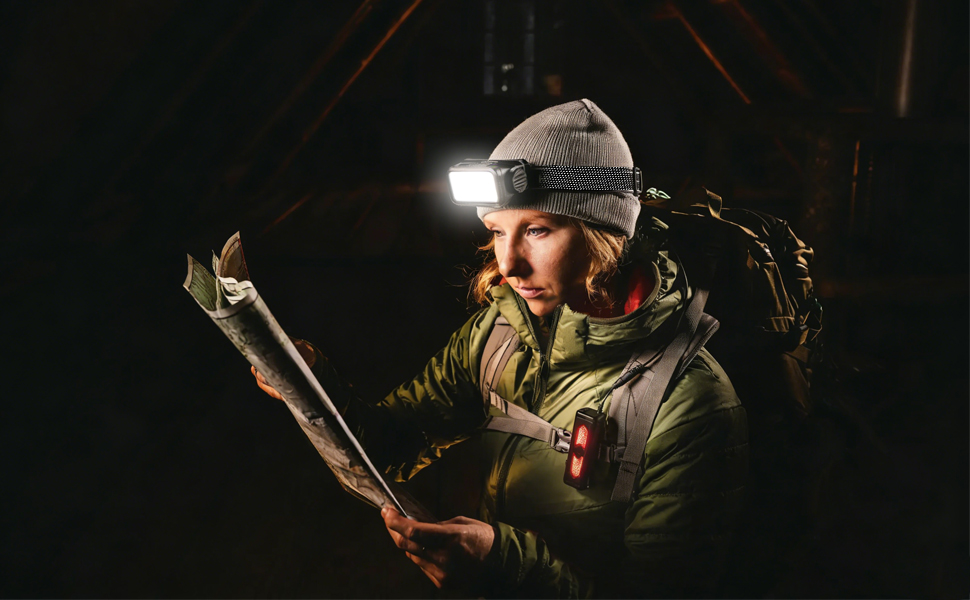
2. Golden Hour & Dusk: Warm Colors but Rapidly Fading Light
During sunset, light changes quickly—from warm, bright hues to darker tones within minutes. This transition can catch outdoor travelers off guard.
How to Choose Lighting
-
Select a light with fast-access modes, allowing you to switch from low to medium/high output quickly.
-
A tiltable headlamp is useful when adjusting between walking, reading maps, or handling gear.
-
Carry a compact backup flashlight for sudden darkness.
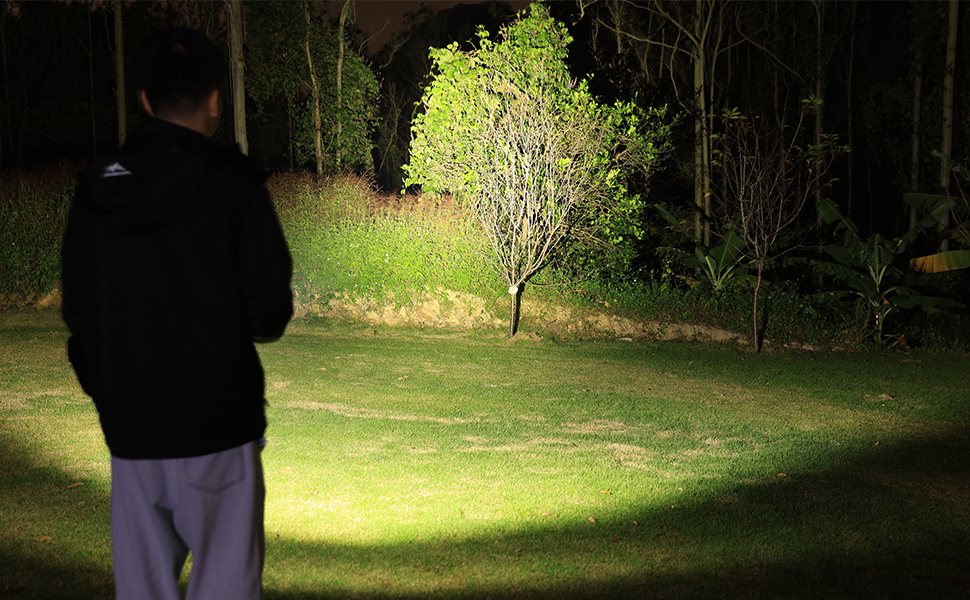
3. Fog, Mist, and Haze: Scattered Light and Reduced Visibility
Fog scatters light in all directions, which can cause strong beams to bounce back and obscure your view.
How to Choose Lighting
-
Avoid strong spot beams; instead choose a soft flood light to limit backscatter.
-
Yellow or warm-toned light can help slightly improve clarity in hazy environments.
-
Keep your light source low and angled downward, reducing the amount of light reflected directly into your eyes.
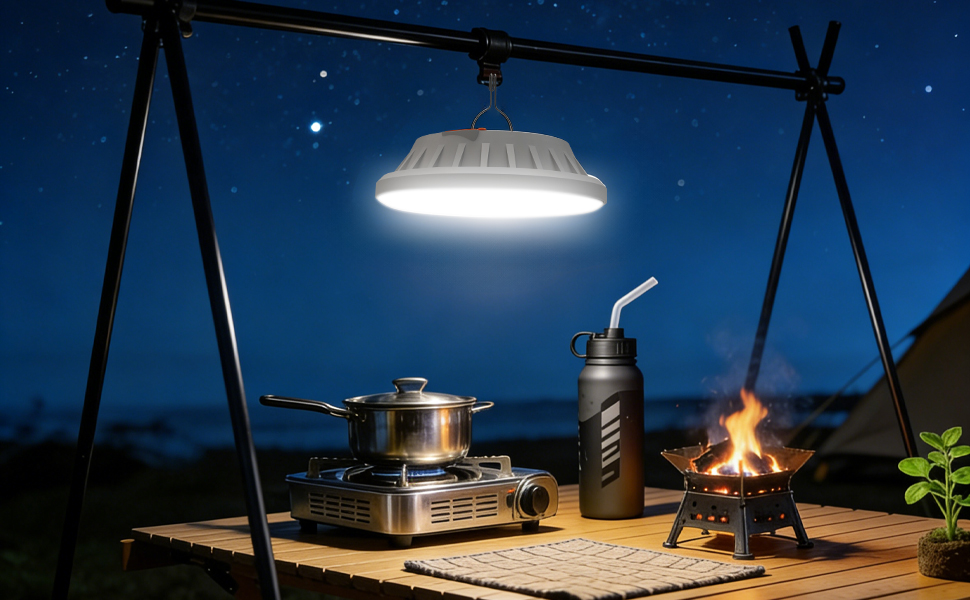
4. Complete Darkness: Forests, Mountains, and Night Trails
In remote areas with no artificial light, darkness can be deep and enveloping. Reliable illumination becomes essential.
How to Choose Lighting
-
Choose a primary light with stable brightness and a secondary light as backup.
-
A spot + flood combination gives both distance visibility and close-range clarity.
-
Consider lights with long battery life or rechargeable options suitable for multi-day trips.
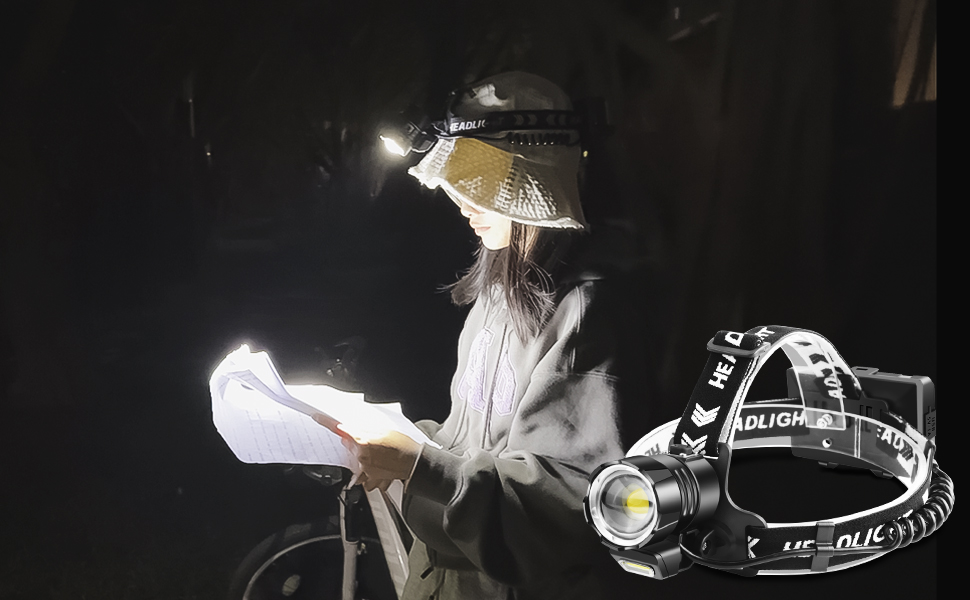
5. Practical Tips for Managing Light in Outdoor Environments
-
Carry spare batteries or a power bank if using rechargeable gear.
-
Store lights where they’re easy to reach, especially during night hikes or emergencies.
-
Use red light mode at campsites to protect night vision and avoid disturbing wildlife.
-
Regularly check waterproofing and durability, especially when facing rain, fog, or stream crossings.
Conclusion
Natural light constantly shifts throughout the day and across environments. By understanding these lighting changes—and equipping yourself with the right illumination tools—you can improve visibility, reduce risk, and enjoy a safer outdoor experience. Choosing versatile lighting equipment ensures that no matter how the environment changes, you remain prepared and confident on your adventure.


