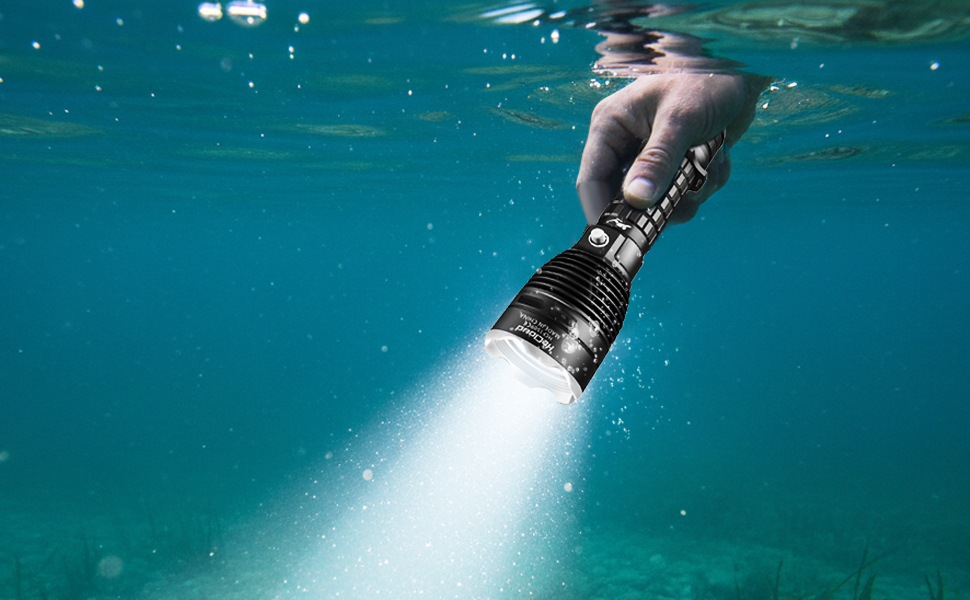
White light is the most commonly used underwater light. It provides the brightest illumination, allowing divers to see colors and details accurately. White light is ideal for:
Deep dives: It helps penetrate low-light conditions.
Photography: Captures true-to-life colors.
General navigation: Ensures safe movement through complex underwater terrain.

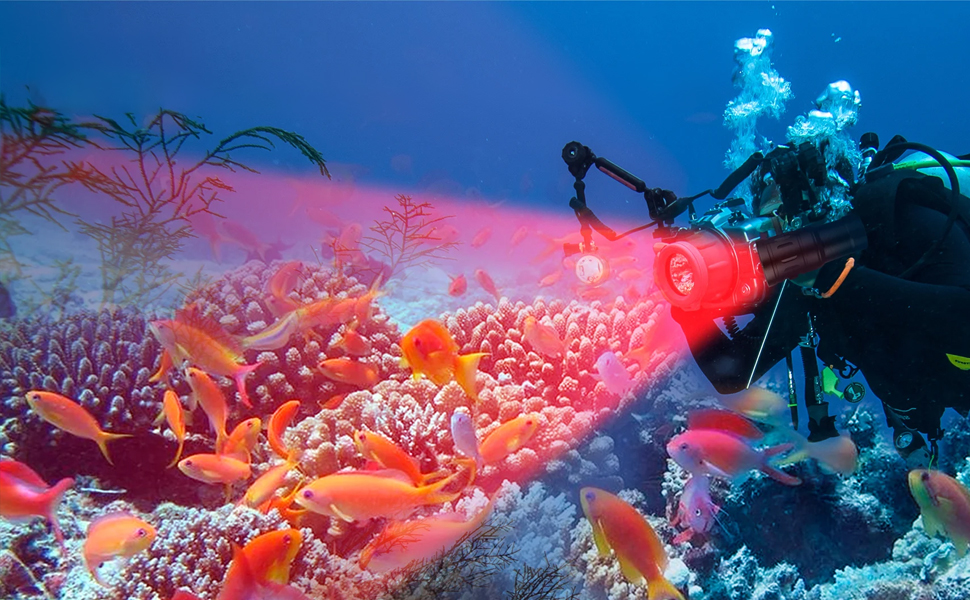
Red light is less intense and penetrates water differently. It is especially useful in situations where preserving night vision or avoiding disturbance of marine life is important. Red light is best used for:
Night dives: Maintains natural dark-adapted vision.
Observing nocturnal creatures: Less likely to startle fish or other wildlife.
Close-up inspection: Ideal for reading instruments or maps underwater without overwhelming brightness.

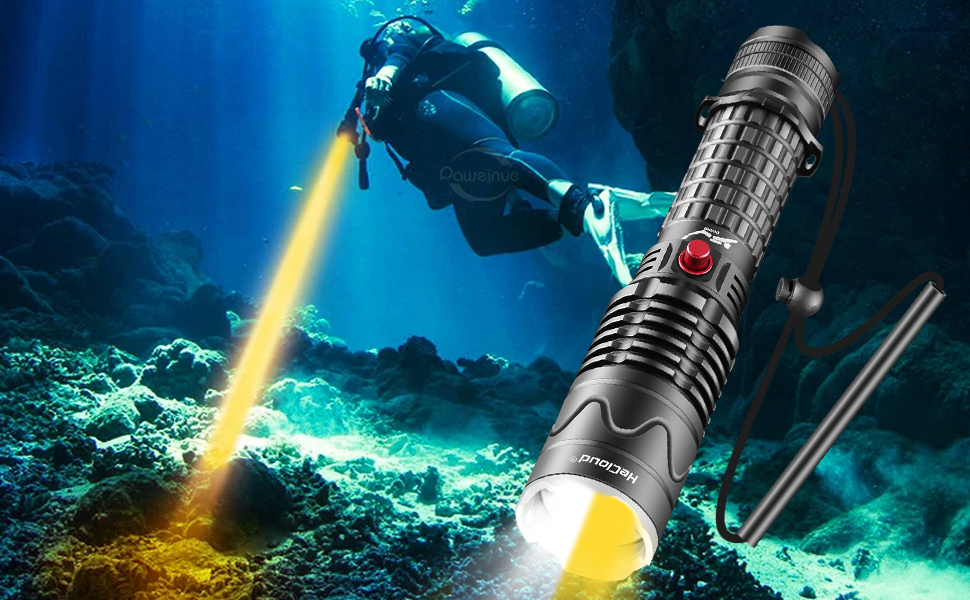
Yellow light, sometimes called amber light, offers a middle ground between white and red. It is softer than white light but brighter than red. Yellow light is useful for:
Photography in mid-depths: Helps reduce blue/green color dominance in photos.
Underwater exploration: Offers good visibility without disturbing marine life as much as white light.
Foggy or murky waters: Improves contrast and clarity compared to red or white light alone.

Plan your lighting according to depth and visibility. Deeper waters absorb colors differently, so adjusting your light color can improve your experience.
Use red light for stealthy observation. Night diving with red light helps you interact with marine life without causing stress.
Carry a white light as a backup. Even if you primarily use red or yellow, a white light is necessary for safety and emergency signaling.
Choosing the right underwater light color enhances your diving experience, protects marine life, and allows better communication and navigation. By understanding the differences between red, white, and yellow lights, divers can make informed choices tailored to their underwater adventures.