Whether you're new to diving or have a few dives under your belt, understanding the importance of safety precautions can make your experience more enjoyable and reduce potential risks. From essential gear to emergency protocols, let's dive into the key tips that every beginner to intermediate diver should know.
Importance of Safety in Scuba Diving
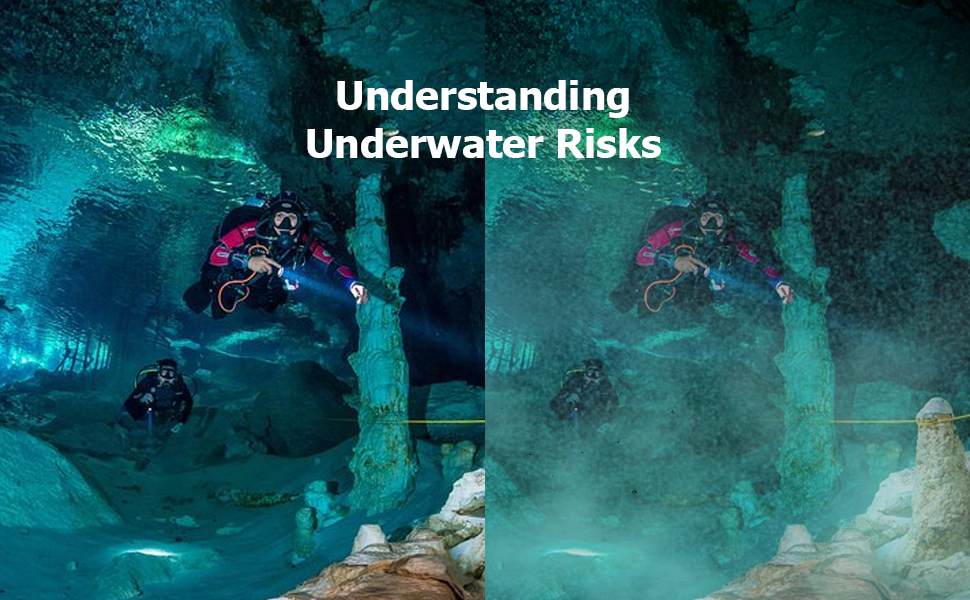
Safety is paramount in scuba diving due to the unique environment. Underwater, the risks are different from those on land—limited visibility, pressure changes, and reliance on equipment for breathing. While exploring marine life and coral reefs is an unforgettable experience, failure to follow proper safety measures can lead to dangerous situations. Preparation and knowledge are your best defense against these risks.
Essential Safety Gear for Divers
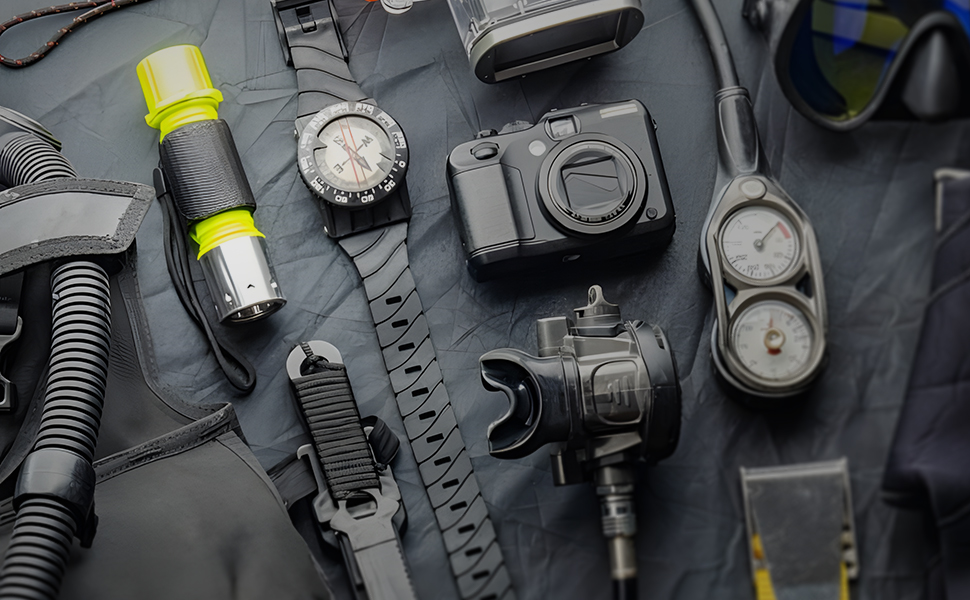
One of the most crucial aspects of safe diving is having the right gear. The basic equipment includes:
- Mask, fins, and snorkel: These help you see and move efficiently underwater.
- Regulator: Allows you to breathe from your air tank.
- Buoyancy Control Device (BCD): Helps you stay at a stable depth.
- Dive computer: Monitors depth, time underwater, and decompression limits.
- Scuba tank: Supplies the air you need during the dive.
- Wetsuit or drysuit: Protects you from cold temperatures and abrasions.
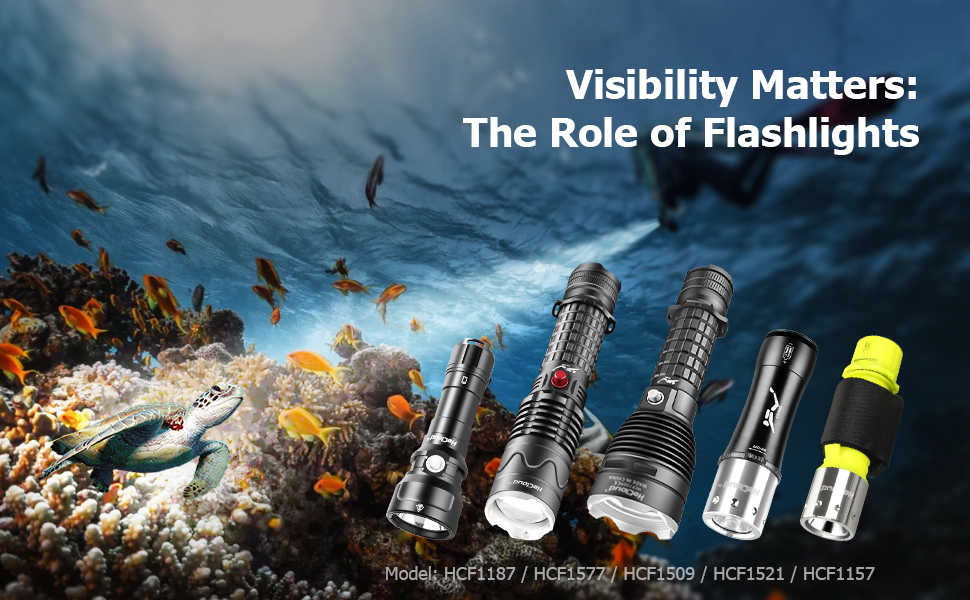
In addition to this standard gear, having a diving flashlight is critical for ensuring visibility in dark or murky waters. Underwater environments can quickly change, and a good flashlight helps you navigate safely while avoiding hazards.
The Role of Diving Flashlights in Underwater Visibility
Diving flashlights are essential not only for night dives but also for daytime dives in deeper or cave environments. Water absorbs light, especially at greater depths, and even during the day, visibility can be limited. A high-quality dive light helps illuminate your surroundings, allowing you to spot potential dangers, communicate with your dive buddy, and appreciate marine life.
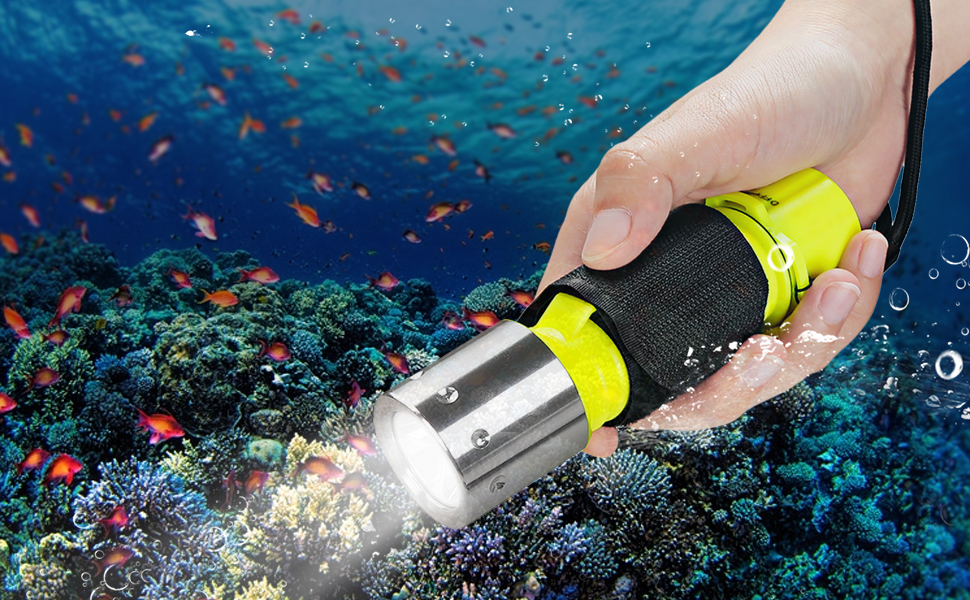
When choosing a diving flashlight, consider factors like beam strength, battery life, and waterproofing. For example, the HeCloud Dive Flashlight provides strong illumination at depths of up to 120 meters, making it an excellent choice for both beginners and experienced divers.
Pre-Dive Safety Checks and Planning
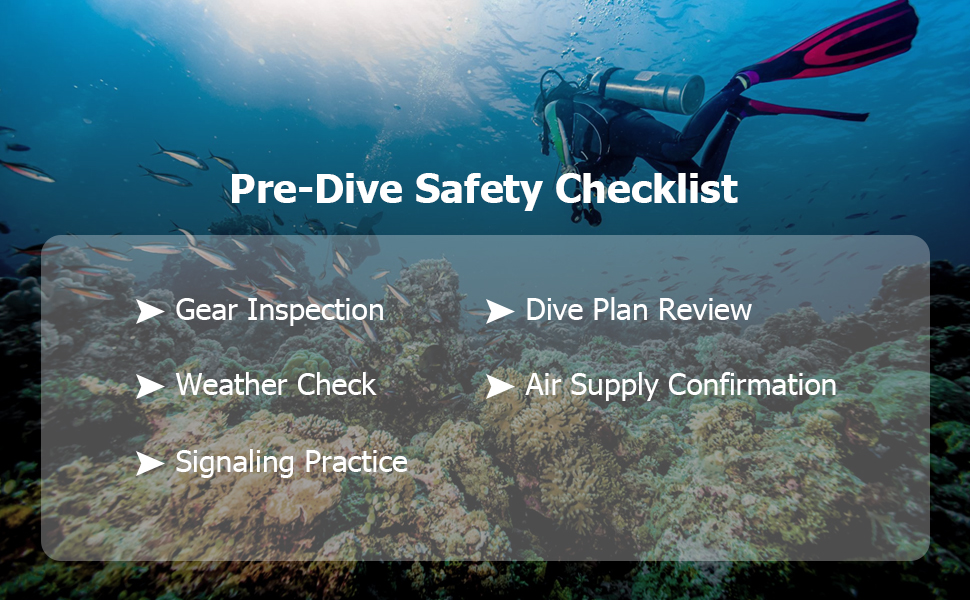
Before every dive, thorough preparation is necessary. Here’s a checklist of pre-dive safety steps:
- Inspect your gear: Make sure everything is in working order, especially your regulator, BCD, and dive light. Check for any damage or malfunctions.
- Review your dive plan: Know the dive site, planned depth, bottom time, and emergency exits.
- Check the weather: Ensure that conditions are suitable for diving, with calm waters and good visibility.
- Confirm your air supply: Double-check your scuba tank’s air pressure and ensure your dive buddy does the same.
- Practice signaling: Know the hand signals for communication underwater, including how to use your diving light for signaling in low-visibility situations.
A well-prepared dive minimizes risks and ensures that you are ready for anything.
Common Scuba Diving Hazards and How to Avoid Them
Scuba diving comes with inherent hazards, but many of these can be avoided with awareness and good practices:
- Decompression sickness: Caused by ascending too quickly. Always follow your dive computer’s guidance and perform safety stops.
- Nitrogen narcosis: A condition that can occur at depths of 30 meters (100 feet) or more. To avoid it, stay within recommended recreational limits.
- Equipment failure: This can be mitigated by performing regular checks and servicing your gear.
- Marine life encounters: While most marine creatures are harmless, avoid touching or disturbing wildlife to prevent injuries.
- Low visibility: Diving flashlights help navigate murky water, caves, or wrecks, preventing disorientation.
By staying calm and aware, divers can reduce the likelihood of encountering serious problems.
Emergency Protocols and Signaling Methods
In case of an emergency, knowing the right protocols can save lives. Always dive with a buddy and keep communication clear. If you get separated, use your dive light to signal. Here are a few important emergency responses:
- Out of air: Signal to your buddy for an alternate air source and ascend slowly together.
- Entanglement: If you become entangled in kelp or a fishing line, stay calm and use a knife or shears to free yourself.
- Rapid ascent: In the case of an emergency ascent, exhale continuously and ascend as slowly as possible to prevent decompression sickness.
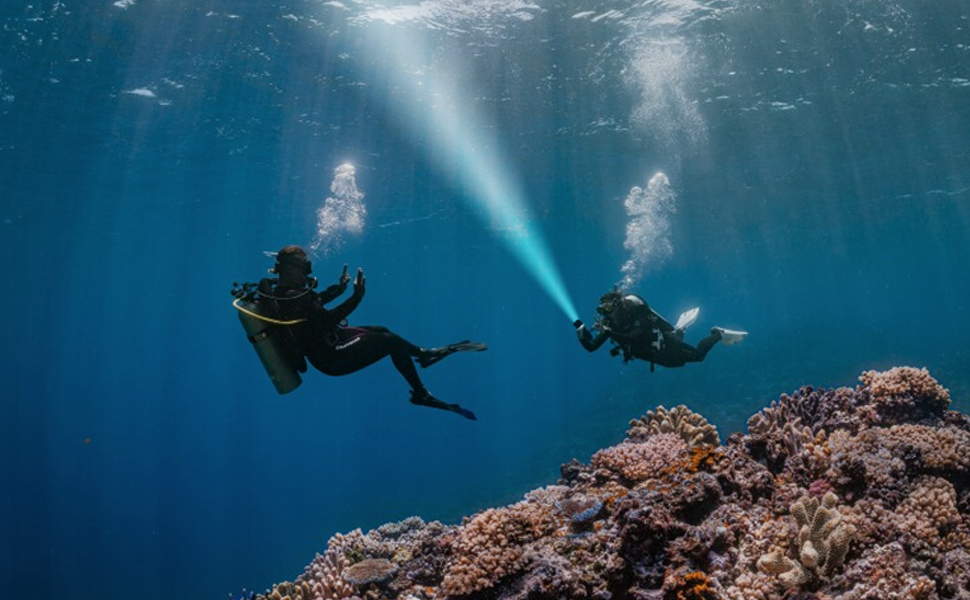
Dive lights also play a key role in signaling. Flashing your light can alert your buddy or boat to your location if you become separated.
Best Practices for Using Diving Lights
To get the most out of your diving light, follow these best practices:
- Test your light before the dive: Ensure the battery is fully charged, and the light is functioning correctly.
- Use it sparingly: Only turn on the light when necessary to preserve battery life and avoid startling marine creatures.
- Carry a backup: Always bring a secondary light in case the primary one fails.
- Avoid shining the light directly in your buddy’s eyes: It can temporarily blind them.
- Maintain your lights: Clean and check for any signs of wear and tear after each dive.
With these practices, you can ensure that your dive light serves you well throughout your dive.
Conclusion: Staying Safe While Enjoying Scuba Diving
Scuba diving is an exciting and rewarding activity, but it requires diligence in safety measures. By preparing properly, understanding potential hazards, and using essential gear like diving flashlights, you can enjoy the underwater world with confidence. Remember to always perform pre-dive checks, stay aware of your surroundings, and dive within your limits. When you combine safety with the thrill of diving, you ensure a safer, more enjoyable experience.


