As outdoor activities like camping continue to gain popularity, more campers are seeking sustainable and eco-friendly solutions to meet their energy needs. Solar energy, with its clean and renewable characteristics, has gradually become an ideal choice for many campers. This article explains the basic principles of solar energy and its benefits for camping, helping campers reduce their dependence on batteries and traditional energy sources.
What is Solar Energy and How Does It Work?
-
Basic Principle of Solar Energy
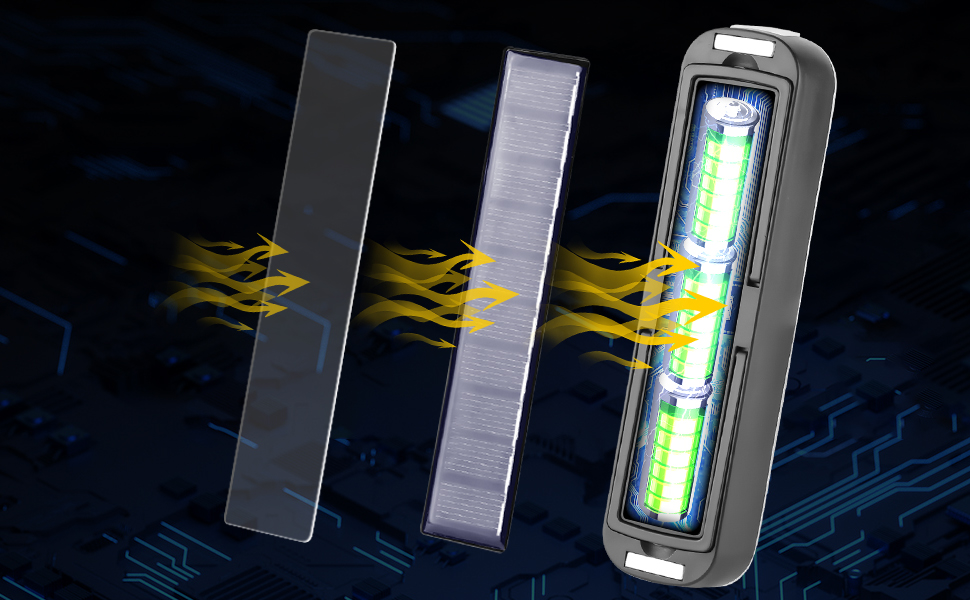
Solar energy is a form of renewable energy derived from the sun. Solar panels, usually made of photovoltaic (PV) cells, convert sunlight directly into electricity through the photovoltaic effect.
-
Main Components of a Solar Power System for Camping
-
Solar panels: Capture sunlight and convert it into electricity.
-
Charge controller: Regulates the voltage and current from the panels to prevent overcharging of the battery.
-
Battery: Stores electricity for use during nighttime or cloudy days.
-
Inverter (optional): Converts DC power from the battery to AC power for certain appliances.
Why is Solar Energy Suitable for Camping?
-
Environmentally Friendly Power Source
Solar energy is clean and does not produce harmful emissions during use, which helps minimize environmental impact compared to fuel-based generators.
-
Reduction of Battery Waste
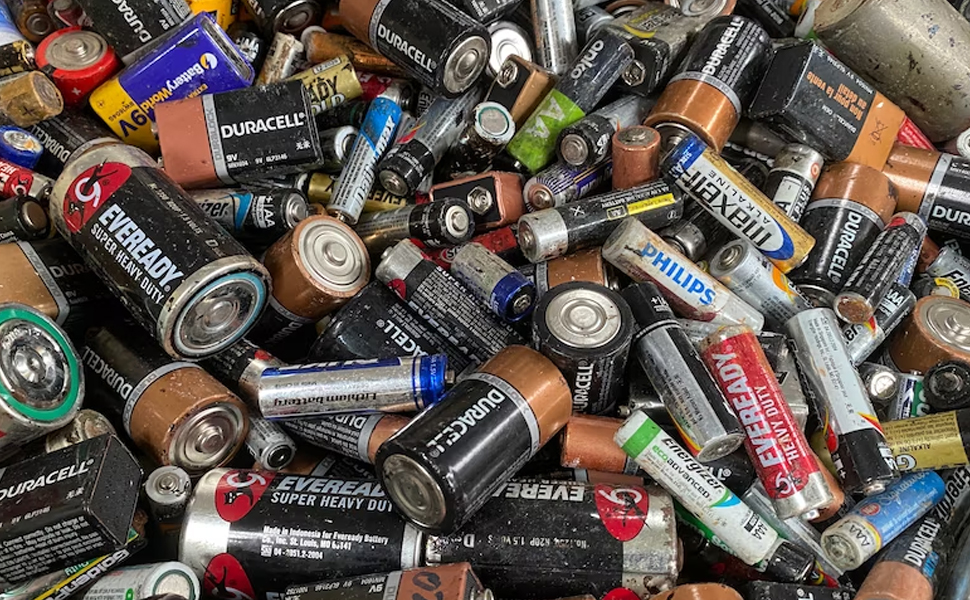
Traditional batteries, especially disposable ones, can cause environmental pollution if not disposed of properly. Solar power systems allow campers to recharge their devices multiple times without generating battery waste.
-
Energy Independence in Remote Areas
Solar power allows campers to generate their own electricity, reducing dependence on local power supplies or the need to carry many spare batteries.
-
Quiet and Low-Maintenance Operation
Unlike fuel generators, solar panels operate silently and generally require little maintenance, making them more suitable for the peaceful environment of camping.
Practical Applications of Solar Energy in Camping
-
Charging Small Devices
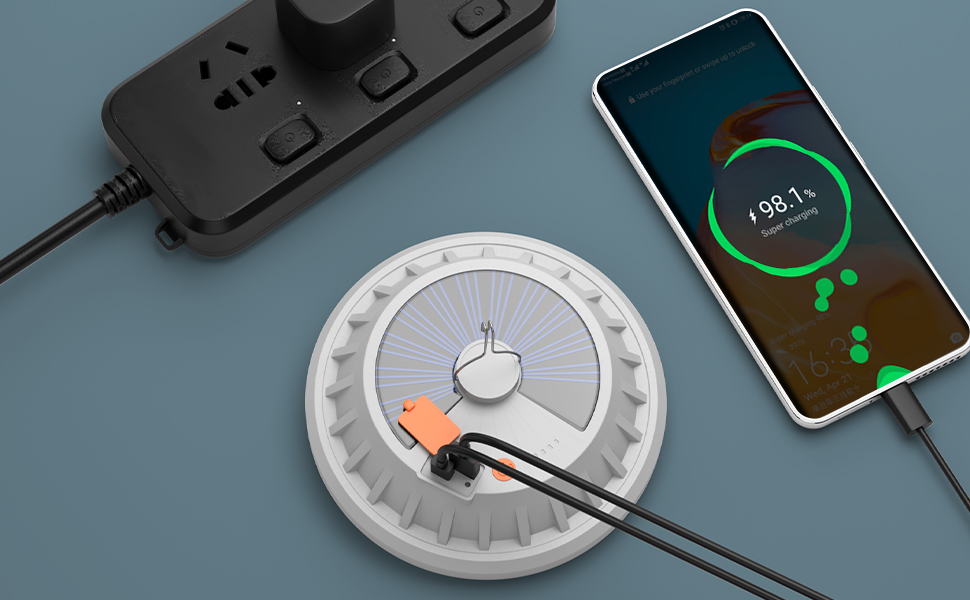
Solar panels can charge smartphones, tablets, cameras, and portable lamps, supporting daily needs without using disposable batteries.
-
Powering Portable Appliances
Larger solar setups can support portable refrigerators, fans, or even small cooking equipment, improving comfort during camping trips.
-
Emergency Power Backup
Solar systems can provide basic lighting and communication power during emergencies or unexpected power shortages.
Conclusion
Solar energy provides a sustainable and efficient power solution for camping. By using solar technology, campers can reduce their reliance on traditional energy sources and minimize their environmental footprint while enjoying nature. Although initial setup requires investment and planning, the long-term benefits of clean energy, convenience, and environmental protection make solar energy a valuable choice for outdoor enthusiasts.


