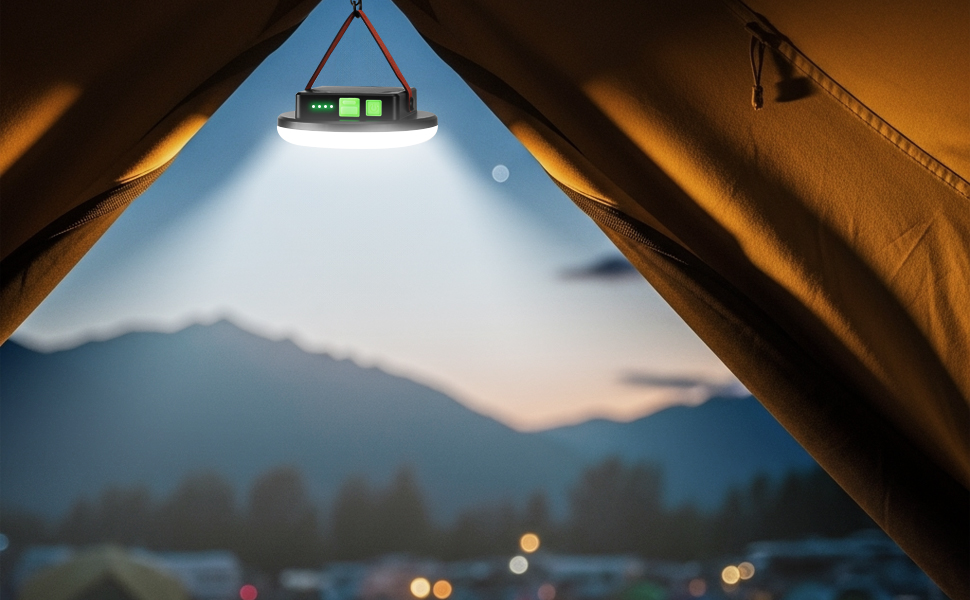
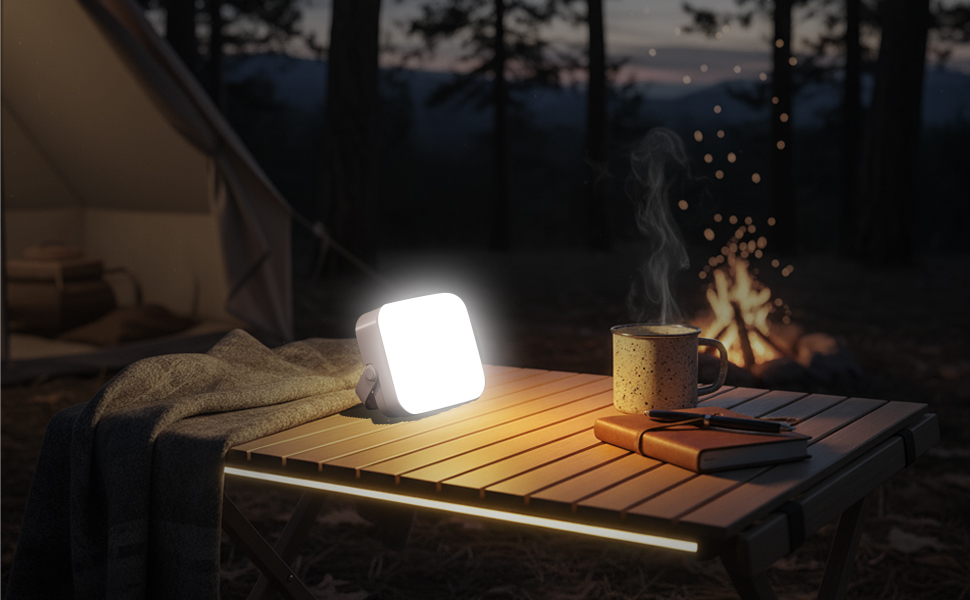
Recent developments in solar cell efficiency mean that panels can now capture more sunlight in shorter periods of time. This is especially helpful in outdoor environments where weather conditions can change quickly.
At the same time, battery technology has improved considerably. Modern lithium-ion and lithium iron phosphate (LiFePO4) batteries store energy more effectively and maintain longer lifespans compared to older lead-acid designs. For campers, this translates to lights that last through the night and require less frequent charging.

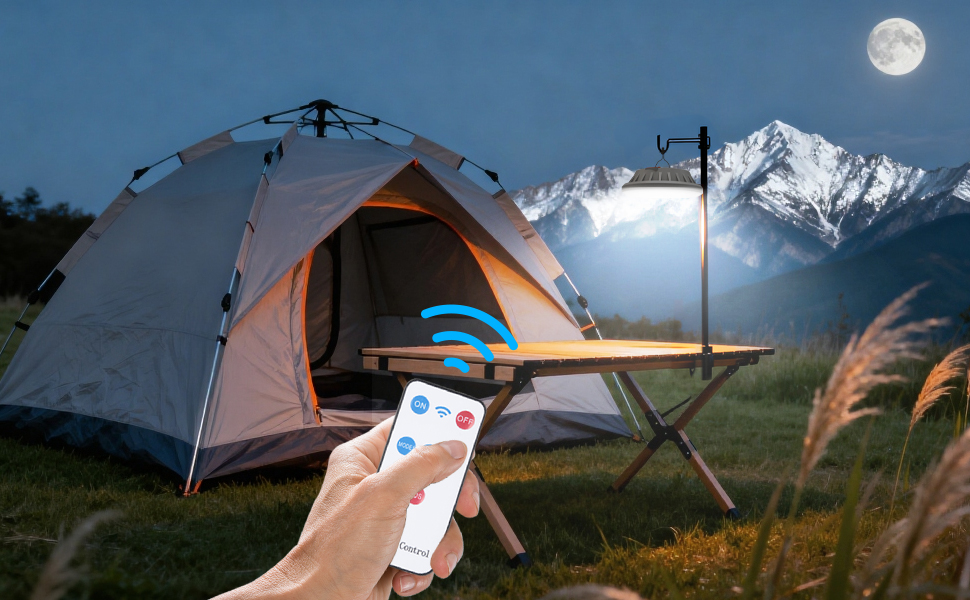
Another key advancement is the integration of smart control features. Many solar camping lights now come with automatic sensors that adjust brightness according to ambient light levels. Some models even include remote control or app-based settings, giving campers the flexibility to manage lighting without leaving their tent.

Outdoor conditions can be unpredictable, but newer designs focus on ruggedness. Waterproof casings, impact-resistant materials, and dustproof seals are becoming standard features. These upgrades ensure that solar camping lights can handle rain, wind, and uneven terrain without compromising performance.

As technology continues to progress, solar lighting is becoming an even stronger alternative to disposable batteries or fuel-based lanterns. For outdoor enthusiasts, this not only reduces waste but also enhances independence by removing reliance on traditional power sources.
Looking ahead, solar-powered camping lights will likely incorporate even smarter systems, such as adaptive energy-saving modes and improved portability, further supporting sustainable outdoor living.
The combination of efficient solar panels, advanced batteries, intelligent controls, and rugged designs is driving a new era of camping lighting. As these innovations continue, campers can look forward to lighting solutions that are both reliable and environmentally conscious.