When heading into the wild—whether it's a mountainous trek, a night hike, or a dense forest exploration—visibility can make a critical difference. Lighting does more than just help you see; it plays a vital role in your ability to assess surroundings, make sound decisions, and stay safe. In this blog, we’ll explore how lighting conditions affect outdoor experiences and how to choose the right lighting gear to improve visibility and judgment.
Why Lighting Matters in the Outdoors
Natural light changes dramatically across environments and times of day. Poor lighting not only limits what you can see, but also affects your depth perception, reaction time, and ability to distinguish terrain or potential hazards.
-
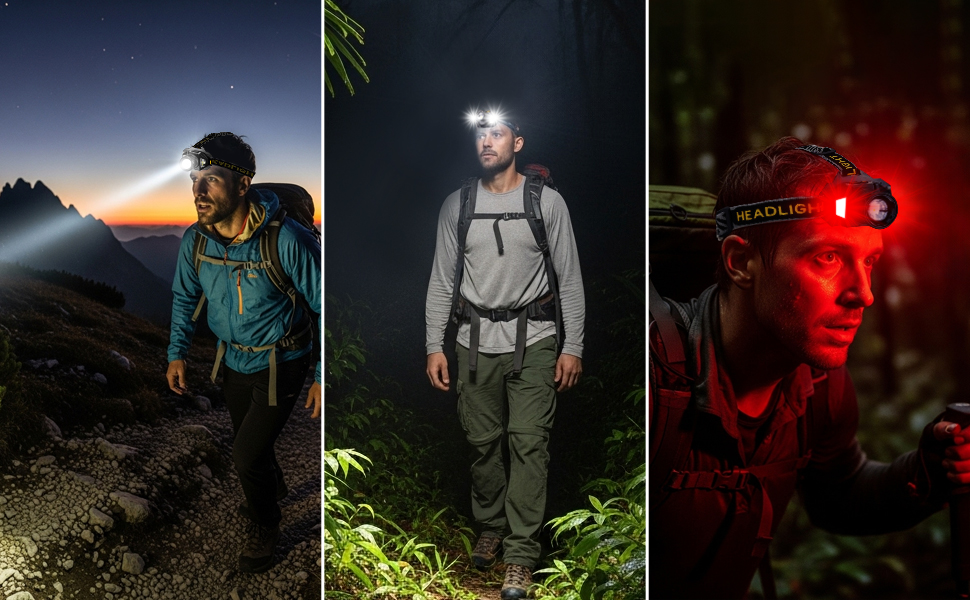
In Mountainous Terrain: Shadows cast by rocks and ridges can distort depth perception. Uneven light may hide drop-offs or loose stones.
-
In Jungle Environments: Thick foliage filters sunlight, often creating low-light conditions even during the day. Spotting wildlife or safe walking paths becomes challenging.
-
During Nighttime Activities: Without artificial lighting, human vision is significantly limited. Identifying landmarks, reading maps, or spotting trail markers becomes harder.
How Lighting Affects Judgment and Safety
Lighting influences how we interpret the environment. In low visibility, hikers may misjudge distances, miss signs of danger, or overestimate their capabilities.
For instance:
-
Dim or uneven light may cause you to think a path is clear when it’s not.
-
Glare from a poorly designed light can blind you momentarily, increasing the risk of injury.
-
In group settings, insufficient lighting can cause people to become separated or lose track of their surroundings.
Choosing the right light—both in brightness and beam pattern—can help reduce these risks and support better, faster decision-making.
Selecting the Right Lighting for the Right Environment
When preparing for an outdoor adventure, choosing lighting that fits your specific environment is essential. Here are some tips:
-
Mountain Trails: Opt for headlamps or flashlights with long-range spot beams. Adjustable brightness levels help conserve power and reduce glare.
-
Jungle or Dense Woods: Use lights with a wide flood beam to illuminate surroundings more evenly. Look for high color rendering index (CRI) LEDs to improve clarity.
-
Night Exploration: Choose lights with red or yellow modes for better night vision retention. Lights with motion sensors or rear safety indicators also add value.
Additional Considerations
-
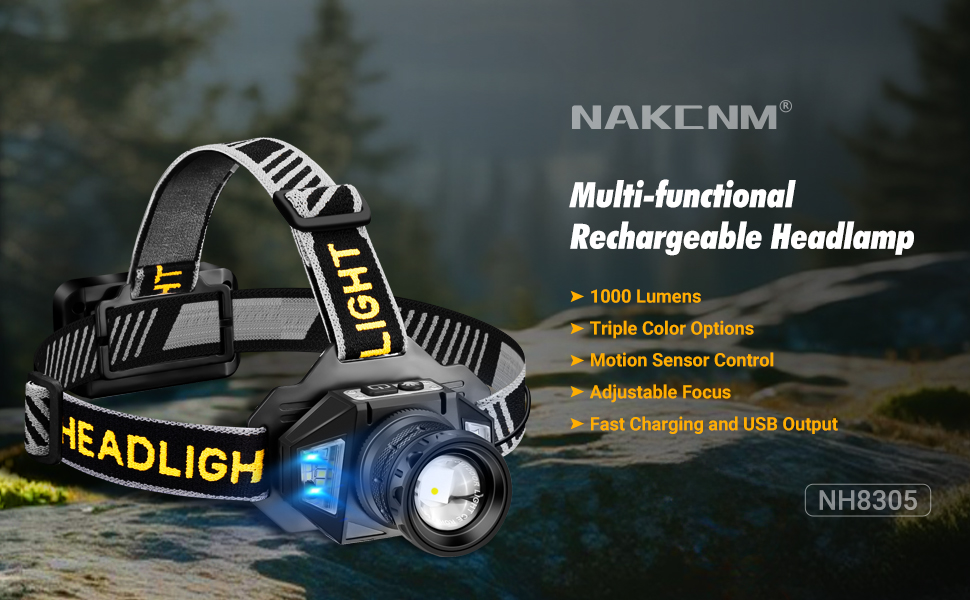
Battery Life: Ensure your lighting gear can last throughout your activity. Rechargeable batteries are often more reliable than disposables for extended use.
-
Durability: Waterproof and impact-resistant lights are better suited for rough outdoor conditions.
-
Mounting Options: Headlamps allow hands-free movement; lights with magnetic bases or clips can offer versatility for campsites or equipment setups.
Conclusion
Lighting is a critical but often underestimated factor in outdoor safety and performance. By understanding how different environments affect visibility, and by choosing lighting gear accordingly, adventurers can improve both their awareness and decision-making in the field.
Whether you're exploring mountain trails at dusk or navigating a dense forest, the right lighting solution enhances not only what you see—but also how confidently and safely you move through the wilderness.


