Diving is an experience built on exploration, awareness, and safety. Whether you are navigating a reef, exploring a wreck, or descending into deeper water, light plays a critical role in how you perceive and interact with the underwater environment. While most divers focus on choosing a reliable primary dive light, the importance of carrying a backup dive light is often underestimated.
Why Darkness Is a Real Risk Underwater
Light behaves differently underwater than it does on land. As depth increases, colors fade and natural light diminishes. Even during daytime dives, visibility can change suddenly due to clouds, currents, or sediment stirred up from the seabed.
In situations such as:
-
Entering a wreck or cave
-
Diving at dusk, night, or early morning
-
Experiencing unexpected low visibility
a loss of light can quickly affect orientation and communication. If a primary dive light fails due to battery depletion, water intrusion, or impact, a diver without a backup may face unnecessary stress or safety risks.
What Makes a Backup Dive Light Essential
A backup dive light serves one clear purpose: to ensure you are never completely without light underwater. Its value becomes evident in critical moments.
A reliable backup dive light can:
-
Help you maintain visual awareness of your surroundings
-
Allow you to safely signal your dive buddy
-
Provide enough illumination to complete a controlled ascent
-
Reduce panic caused by sudden darkness
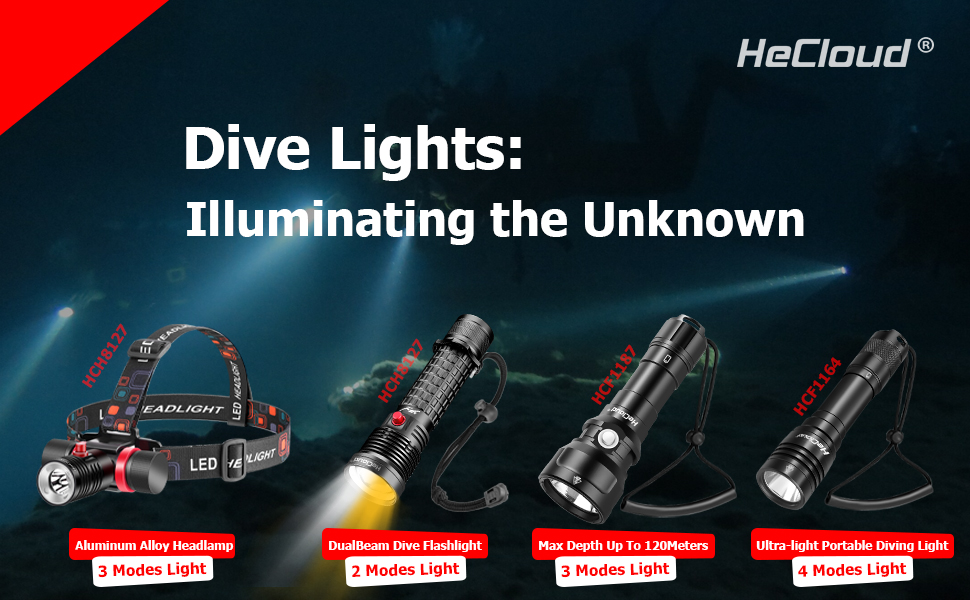
Unlike a primary dive light, a backup light is typically compact and easy to carry, making it a practical addition without adding significant bulk or drag.
When a Backup Dive Light Matters Most
Backup dive lights are especially important during:
-
Night dives, where artificial light is the only source of visibility
-
Wreck and cave dives, where natural light is limited or absent
-
Deeper dives, where light loss is unavoidable
-
Cold or challenging environments, where equipment failure risks increase
In these conditions, relying on a single light source is a risk that can be avoided with proper preparation.
Key Features to Look for in a Backup Dive Light
When choosing a backup dive light, functionality and reliability are more important than size or brightness alone. Consider the following features:
-
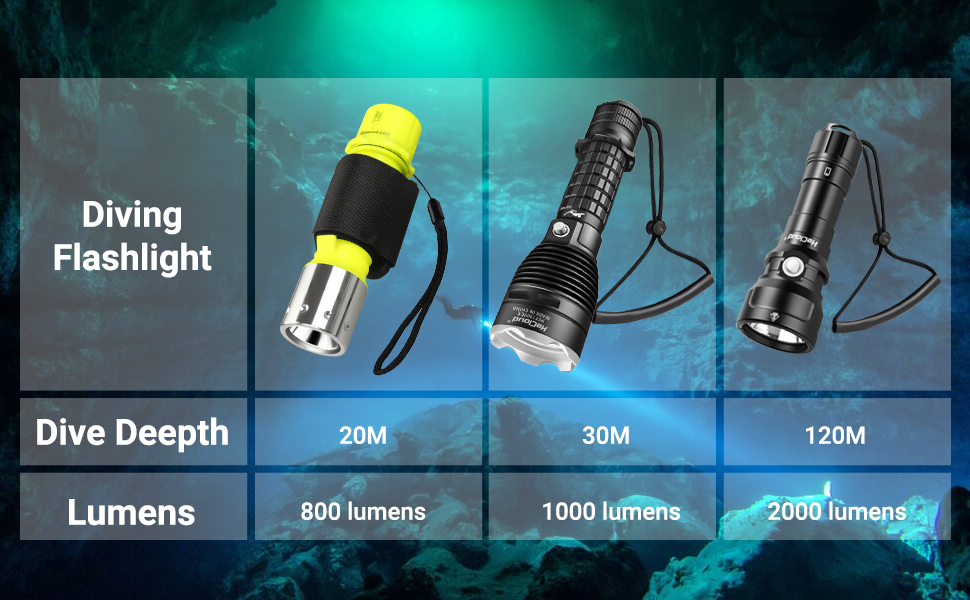
Waterproof rating suitable for your dive depth
-
Simple operation, preferably with a single switch
-
Stable light output for clear visibility
-
Durable housing, often aluminum alloy, to withstand impact and pressure
-
Compact design for easy storage in a BCD pocket or clipped to gear
These characteristics ensure the light is ready when you need it most.
Backup Lighting as Part of Dive Safety Planning
Experienced divers understand that redundancy is a core principle of dive safety. Just as you plan air supply, depth limits, and dive time, lighting should also be part of that plan.
Carrying a backup dive light reflects:
It is a small piece of equipment that can make a meaningful difference when conditions change unexpectedly.
Conclusion: Light Is Security Underwater
Darkness underwater is not always predictable, but how you prepare for it is within your control. A backup dive light provides reassurance, improves safety, and supports calm decision-making when your primary light is no longer available.
Before your next dive, take a moment to consider whether your lighting setup is complete. A dependable backup dive light ensures that darkness remains a manageable challenge—not a hidden hazard.


