Lighting equipment has long played an important role in outdoor activities, industrial work, emergency response, and transportation. From early handheld lamps to modern LED-based devices, front lights and headlamps have evolved significantly in both performance and functionality. In recent years, advances in smart control systems, energy efficiency, and durable materials have further expanded their practical value.
1. From Traditional Lighting to Modern LED Technology
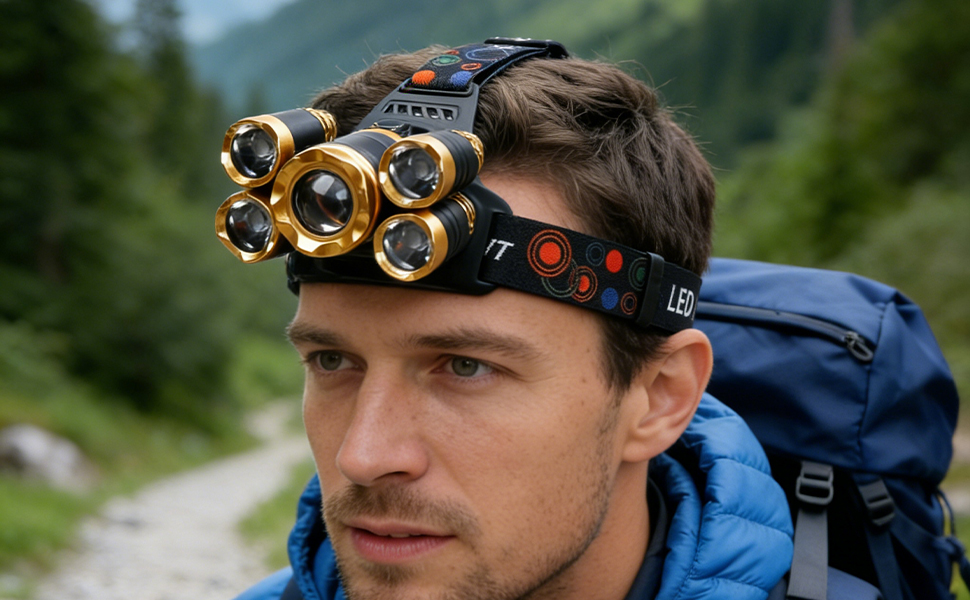
In earlier decades, portable lighting relied heavily on incandescent or halogen bulbs. While these light sources provided usable illumination, they often consumed more energy and generated significant heat. The introduction of LED technology marked a major step forward.
LEDs are now widely used in headlamps and front lights because they offer several practical advantages:
- Higher energy efficiency compared with traditional bulbs
- Longer operational lifespan
- More compact designs that support lightweight equipment
- Stable brightness levels suitable for extended use
As LED technology continues to mature, manufacturers can design lighting products that are brighter while maintaining reasonable power consumption. This balance is especially important for users who depend on battery-powered devices during outdoor trips or night work.
2. Smart Brightness Adjustment and Adaptive Lighting
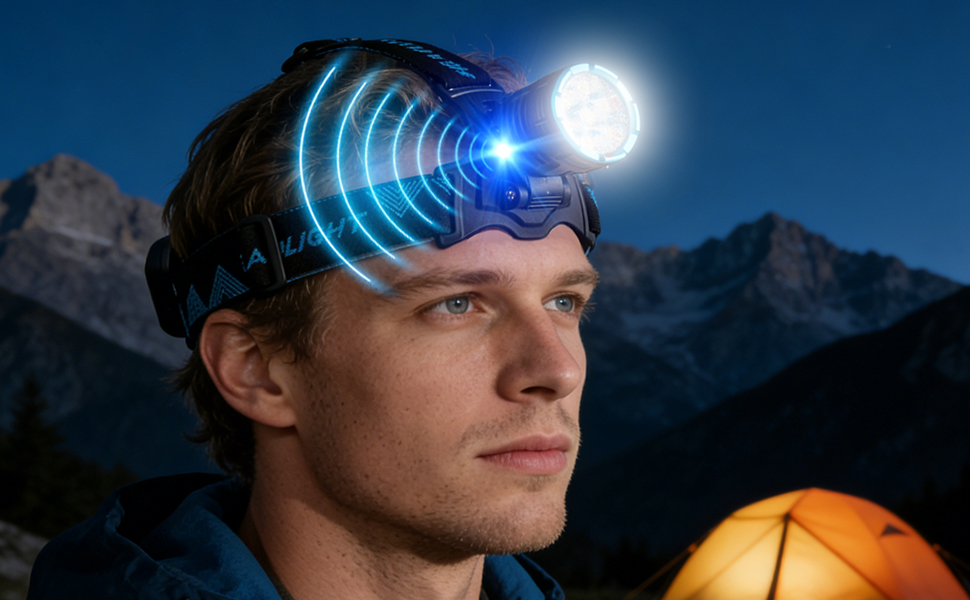
One of the most notable recent developments is the introduction of smart brightness adjustment. Instead of relying solely on manual switching between brightness modes, some modern lighting systems can automatically adapt to the surrounding environment.
Examples of adaptive lighting features include:
- Ambient light sensing: Automatically adjusting brightness based on surrounding light levels
- Distance-based beam adjustment: Modifying beam focus depending on how far the illuminated object is
- Motion-based control: Allowing users to activate or change modes through simple hand gestures
These technologies are designed to improve both convenience and energy efficiency. By delivering light only when and where it is needed, adaptive systems help conserve battery power and reduce unnecessary glare.
3. Remote Control and Wireless Connectivity
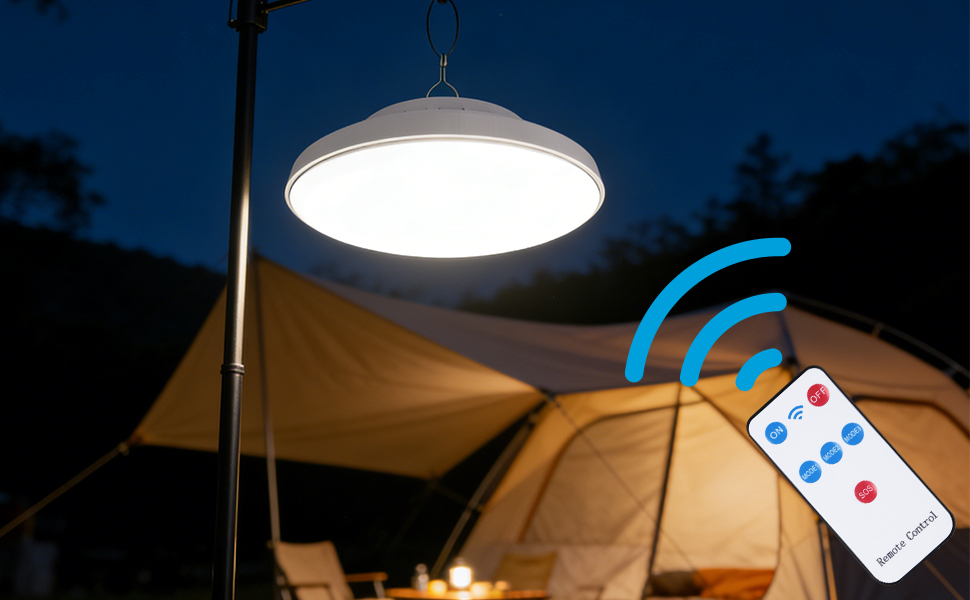
Another growing trend in lighting technology is remote control functionality. As wireless communication becomes more common in consumer electronics, lighting devices are gradually incorporating similar capabilities.
Remote control systems may include:
- Handheld remote controllers for adjusting brightness or switching modes
- Smartphone connectivity through dedicated mobile applications
- Integration with other smart outdoor equipment
For example, in campsite setups or work environments, remote-controlled lighting can allow users to adjust multiple lights from a distance without needing to manually operate each unit. This feature is particularly helpful when lights are mounted in elevated or hard-to-reach locations.
4. Improvements in Durability and Environmental Resistance
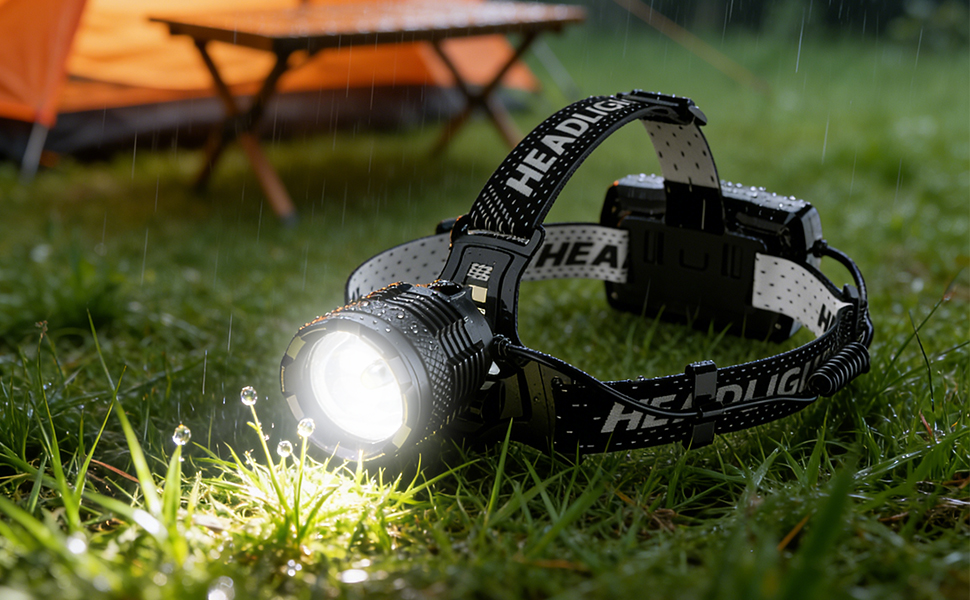
Lighting equipment is often used in demanding environments, including rain, dust, and rough outdoor conditions. As a result, durability has become a key focus in modern product development.
Recent improvements in durability include:
- Enhanced waterproof ratings for reliable use in wet environments
- Shock-resistant housing materials such as reinforced ABS or aluminum alloy
- Improved sealing structures to prevent dust and moisture intrusion
These design improvements help ensure that lighting devices can operate consistently during outdoor exploration, construction work, or emergency situations.
5. Energy Management and Sustainable Power Sources
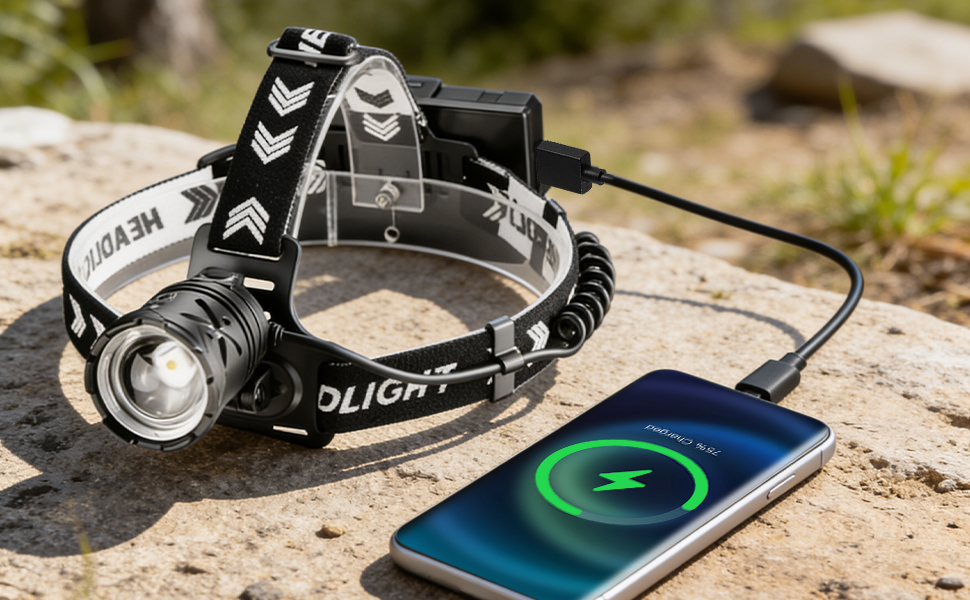
Battery technology is also evolving alongside lighting systems. Many modern headlamps and front lights now use rechargeable lithium batteries that provide longer operating times compared with older battery types.
In addition, some lighting devices incorporate renewable charging methods, such as:
- Solar-assisted charging panels
- USB charging compatibility with portable power banks
- Power-saving lighting modes designed for extended operation
These developments make lighting equipment more suitable for extended outdoor use where frequent battery replacement may not be practical.
6. The Future of Smart Lighting
Looking ahead, lighting technology is likely to continue integrating with broader smart-device ecosystems. Future developments may include:
- More advanced environmental sensors that automatically adjust beam patterns
- AI-assisted energy management to extend battery life
- Integration with navigation systems for improved night-time guidance
While these technologies are still evolving, they highlight a broader shift toward lighting systems that are not only brighter, but also more responsive and efficient.
Conclusion
The development of headlamps and front lights reflects broader progress in electronics, materials engineering, and smart control systems. From the transition to LED technology to the emergence of adaptive brightness, remote control, and improved durability, modern lighting devices offer greater flexibility for a wide range of users.
As these technologies continue to advance, lighting equipment will likely become more intelligent, energy-efficient, and adaptable to different environments. For outdoor enthusiasts, professionals, and everyday users, staying informed about these trends can help in selecting lighting tools that provide reliable performance both today and in the years ahead.


