Home > News > Flashlight > The Versatile Flashlight: The Functions of Red, Yellow, Green, Blue, and Purple Light
Jun.2024 18
The Versatile Flashlight: The Functions of Red, Yellow, Green, Blue, and Purple Light
Introduction
Flashlights have long been essential tools in our daily lives, providing illumination in dark environments. However, beyond the traditional white light, flashlights are now available in various colors: red, yellow, green, blue, and purple. Each color serves unique purposes and is used in different scenarios. This blog explores the functions and benefits of these multi-colored flashlights, highlighting how they enhance functionality for various activities and professions.
Details
Red Light
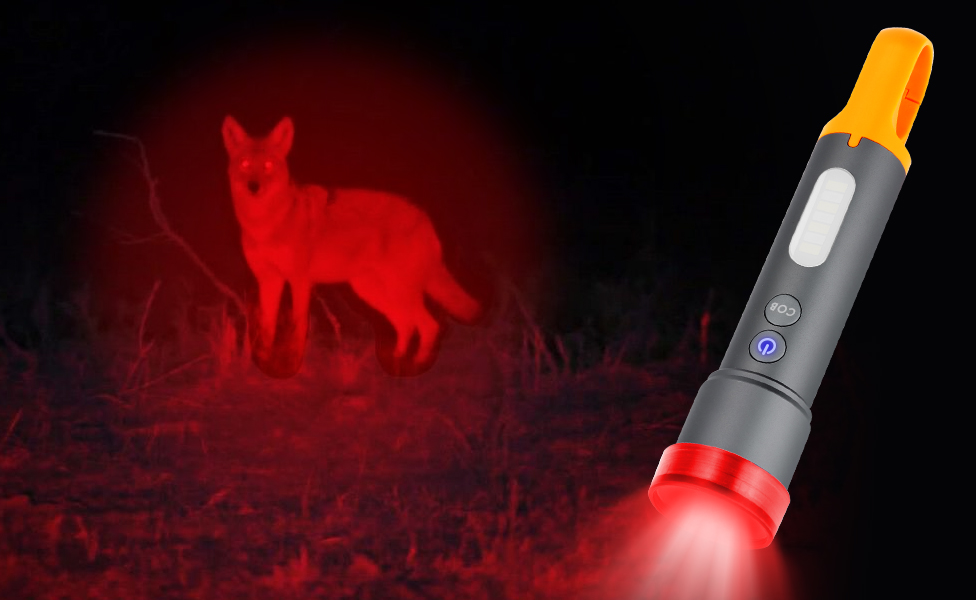
Red light is widely used for preserving night vision. When transitioning from a bright environment to darkness, the eyes take time to adjust. Red light allows for sufficient illumination without causing the pupils to constrict, which helps maintain night vision. This makes red light ideal for astronomers, campers, and military personnel who need to navigate in the dark without losing their ability to see.
Moreover, red light is less likely to disturb wildlife, making it an excellent choice for hunters and naturalists. It also minimizes the risk of attracting insects, which can be particularly beneficial during nighttime outdoor activities.
Yellow Light
Yellow light, also known as amber light, is often used in foggy or smoky conditions. Its wavelength penetrates these obstructions better than white light, improving visibility. This characteristic makes yellow light valuable for drivers, cyclists, and first responders who need to see clearly in poor weather conditions.
Additionally, yellow light is gentle on the eyes and can reduce glare, which is advantageous during prolonged use. It is also effective in signaling and emergency situations, as it stands out against various backgrounds and can be seen from a distance.
Green Light
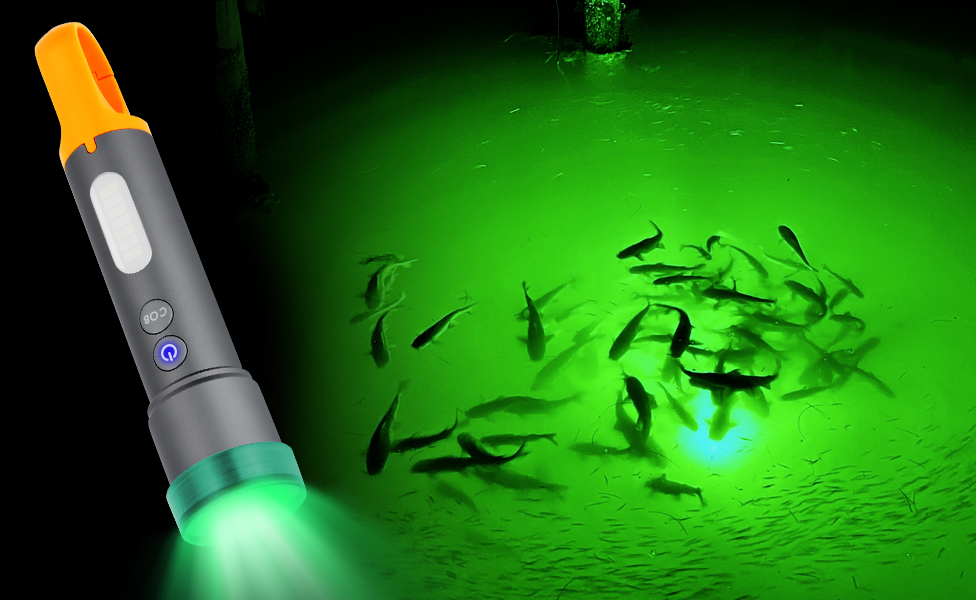
Green light is popular among hunters and fishermen. Unlike other colors, green light does not spook animals, making it useful for tracking game at night. It also enhances contrast and depth perception, which aids in navigating through dense vegetation.
For anglers, green light attracts certain types of fish, particularly in freshwater environments. It penetrates water effectively, making it easier to spot fish below the surface. Furthermore, green light is beneficial for reading maps and instruments in low-light conditions without affecting night vision.
Blue Light
Blue light has several specialized applications. It is commonly used in forensic investigations and crime scene analysis, as it can make bodily fluids and other substances visible that are not detectable under white light. This property is due to the fluorescence of certain materials when exposed to blue light, which aids in the collection of evidence.
In medical fields, blue light is employed for its antiseptic properties. It can help in the treatment of certain skin conditions and is used in phototherapy. Additionally, blue light is useful in underwater activities as it penetrates water well, making it a favorite among divers.
Purple Light
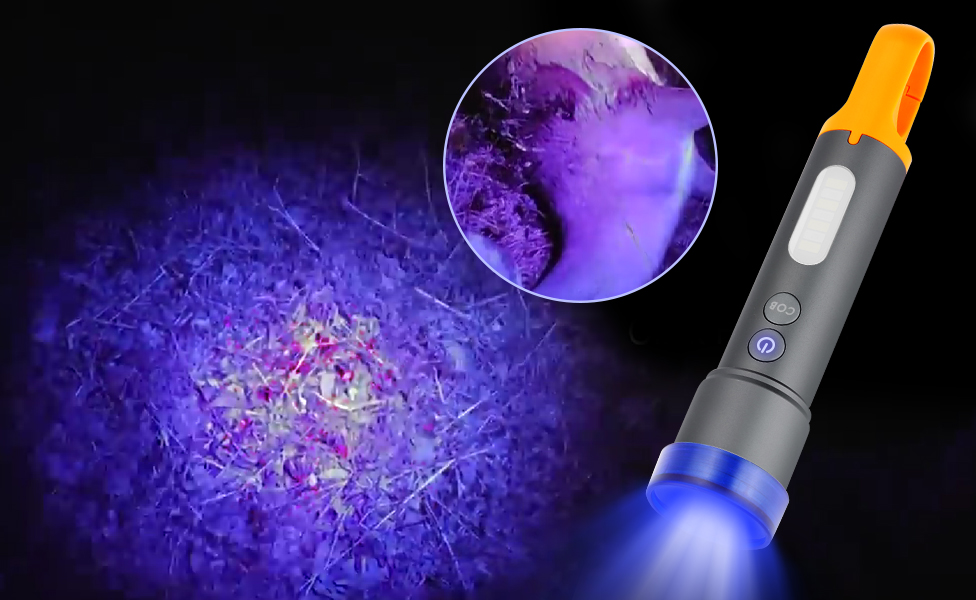
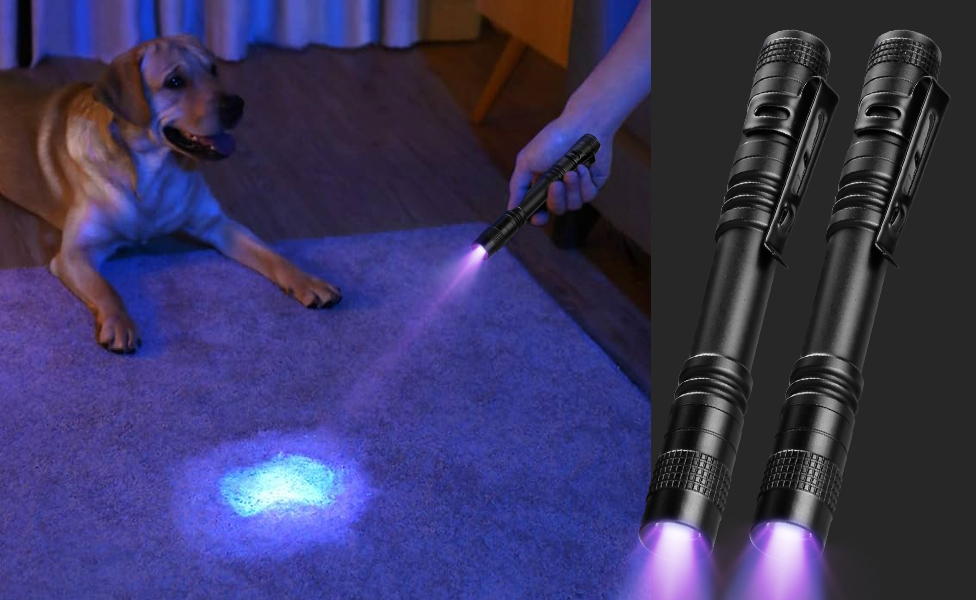
Purple light, or ultraviolet (UV) light, has distinct functions, particularly in security and health. It is used to detect counterfeit money, documents, and certain minerals due to its ability to make specific inks and substances fluoresce. This makes it a valuable tool for law enforcement and banking.
In healthcare, UV light has sterilizing properties and is used to disinfect surfaces, air, and water. It can kill bacteria, viruses, and other pathogens, making it essential in hospitals and laboratories. Moreover, UV light is used in various scientific research applications, including studying biological specimens and chemical reactions.
Conclusion
The multi-colored flashlight is more than just a novelty; it is a versatile tool with practical applications across different fields. Whether preserving night vision, enhancing visibility in poor conditions, aiding in hunting and fishing, assisting in forensic investigations, or providing medical benefits, each light color has its unique advantages. Understanding the specific uses of red, yellow, green, blue, and purple light can help you choose the right flashlight for your needs and enhance your effectiveness in various activities and professions. The next time you reach for a flashlight, consider the benefits of these different light colors and how they can improve your experience in the dark.