Are You Making These Common Underwater Lighting Errors?
Using a dive light correctly is essential for safe and effective underwater exploration—especially in low-visibility conditions, night dives, or cave diving. However, many new divers (and even some experienced ones) unknowingly make simple mistakes that can compromise both their safety and their experience.
Here are five common mistakes to avoid when using a dive light:
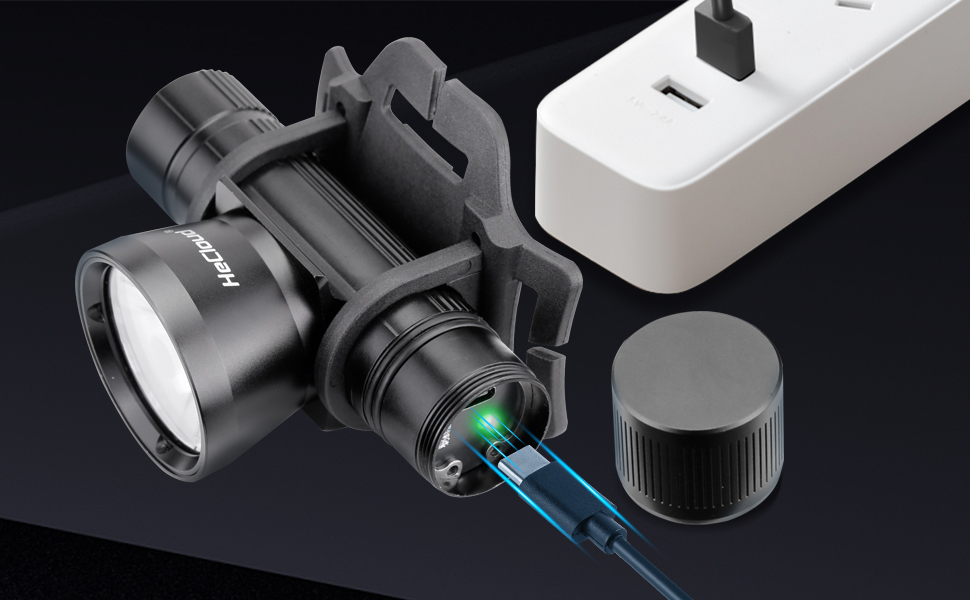
1. Not Checking the Battery Before the Dive
One of the most common issues is entering the water with a partially charged or weak battery. Dive lights, especially high-powered ones, consume energy quickly. A dead light during a deep or night dive can be more than inconvenient—it can be dangerous.
✅ Tip: Always charge your light fully before each dive and carry a backup light if possible.
2. Ignoring Waterproof Ratings and Seals
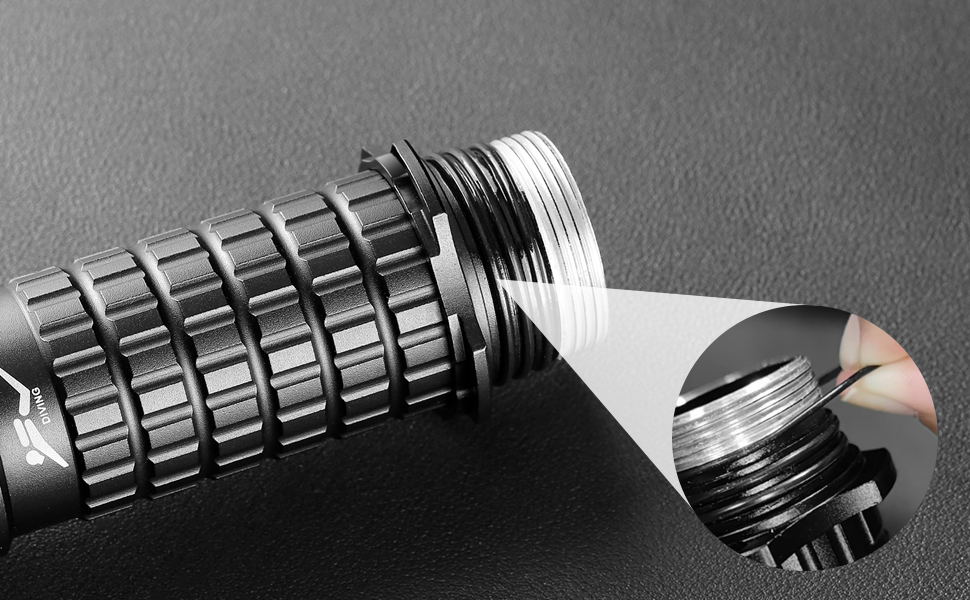
Not all lights are made for deep diving. Some are only splash-resistant or rated for shallow water. Using a light beyond its depth rating can result in flooding and permanent damage.
✅ Tip: Check the waterproof depth rating of your light. Before diving, inspect O-rings and seals for wear or dirt that may compromise waterproof integrity.
3. Using the Wrong Beam Type for the Dive Environment
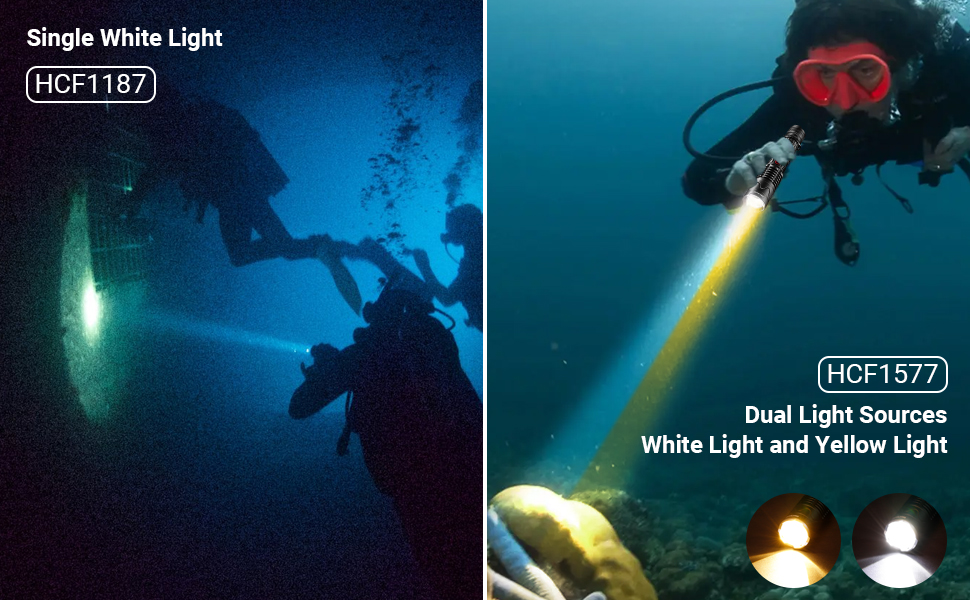
Wide beams are great for general visibility in open water, while narrow beams help focus on distant objects or penetrate murky conditions like in caves or wrecks. Using the wrong beam can either waste battery or limit what you can see.
✅ Tip: Choose your beam angle based on the dive environment—some lights offer adjustable zoom or dual-beam options for flexibility.
4. Not Practicing Light Signaling with a Buddy
Underwater communication often depends on hand signals and lights. Shining the beam directly into your buddy’s eyes or using inconsistent signals can lead to confusion.
✅ Tip: Learn and practice basic light signals before your dive. Avoid erratic movement or flashing unless it's for signaling.
5. Failing to Maintain the Dive Light Post-Dive
Saltwater, sand, and pressure can affect the longevity of your dive light. Skipping post-dive care can lead to corrosion or malfunction.
✅ Tip: Rinse your light with fresh water after every dive, dry it thoroughly, and store it in a cool, dry place. Open the battery compartment to ensure no moisture is trapped inside.
Conclusion
Avoiding these common dive light mistakes can significantly improve your underwater experience and safety. Whether you’re preparing for a night dive or exploring deep wrecks, using your gear correctly ensures you're not left in the dark—literally or figuratively.


