Wreck diving offers a fascinating glimpse into history, but it also presents unique challenges. Inside the confined and often silt-filled spaces of a wreck, visibility can be drastically reduced. This makes a reliable dive light not just a helpful tool but an essential safety companion. Choosing the right light can enhance your exploration while keeping you oriented and aware of your surroundings.
1. Brightness and Beam Control
In wreck diving, your light needs to cut through low visibility without overwhelming your vision or stirring up particles.
-
Lumens: Look for a light that delivers adequate brightness for close and mid-range illumination. Too bright can cause glare when silt is present, while too dim can leave areas in shadow.
-
Beam Type: A tight, focused beam helps you see further down corridors, while a wider beam is useful for illuminating large interior spaces. Some dive lights allow you to switch between beam types for flexibility.
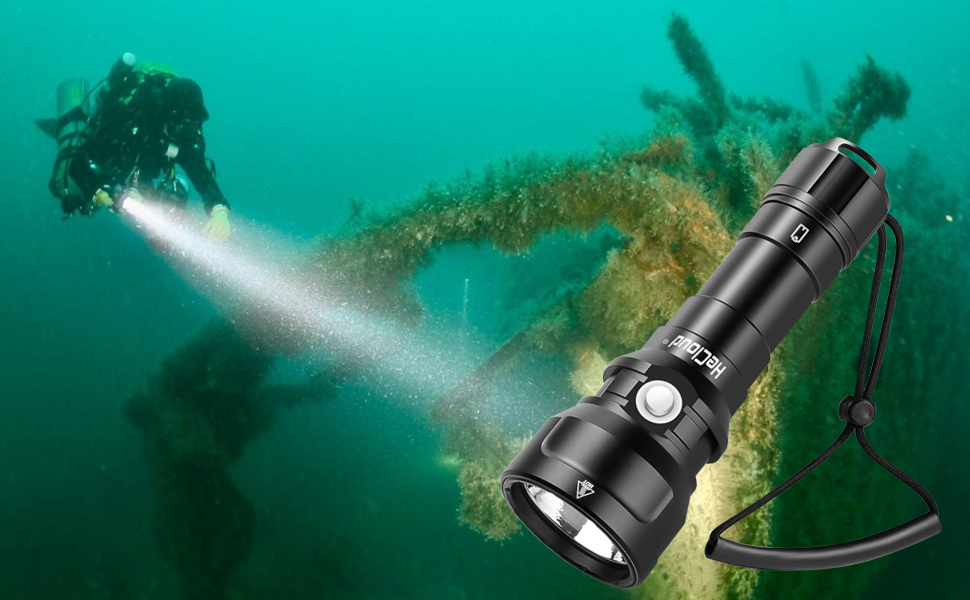
2. Durability and Waterproof Depth Rating
Wrecks can have sharp metal edges, tight passages, and sudden changes in depth.
-
Material: A body made from corrosion-resistant aluminum or high-grade polymer helps protect the light from saltwater damage.
-
Depth Rating: Make sure your light is rated beyond the maximum depth you plan to dive, especially if the wreck sits deep below the surface.
-
Seals: Multiple O-rings and a robust sealing system prevent leaks under pressure.
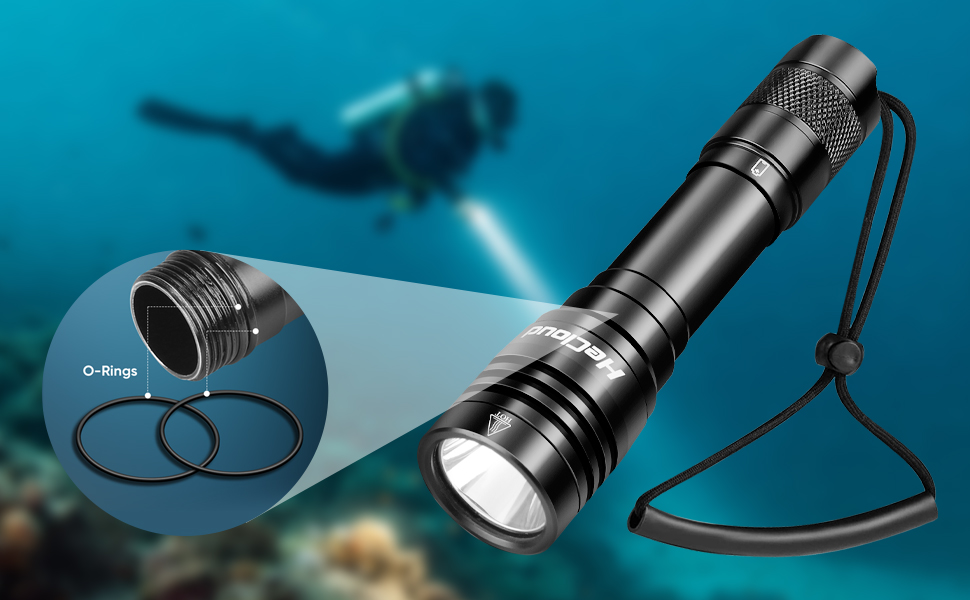
3. Burn Time and Battery Management
Exploring a wreck can take longer than planned, and you don’t want your light to fail mid-dive.
-
Long Burn Time: A good wreck diving light should maintain consistent brightness for the full duration of your dive.
-
Battery Type: Rechargeable lithium-ion batteries offer high capacity, while some divers carry backup lights with disposable batteries for emergencies.
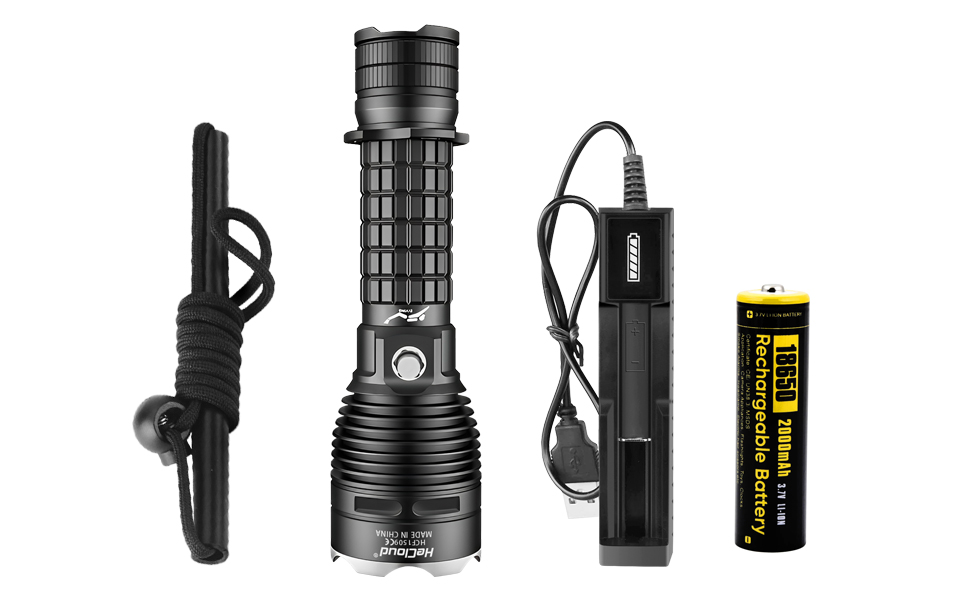
4. Size, Weight, and Handling
Inside a wreck, space is often limited.
-
Compact Design: A light that’s easy to maneuver reduces the risk of bumping into walls or stirring up debris.
-
Grip and Switches: Large, glove-friendly switches ensure you can operate the light even in cold water or with thick gloves.
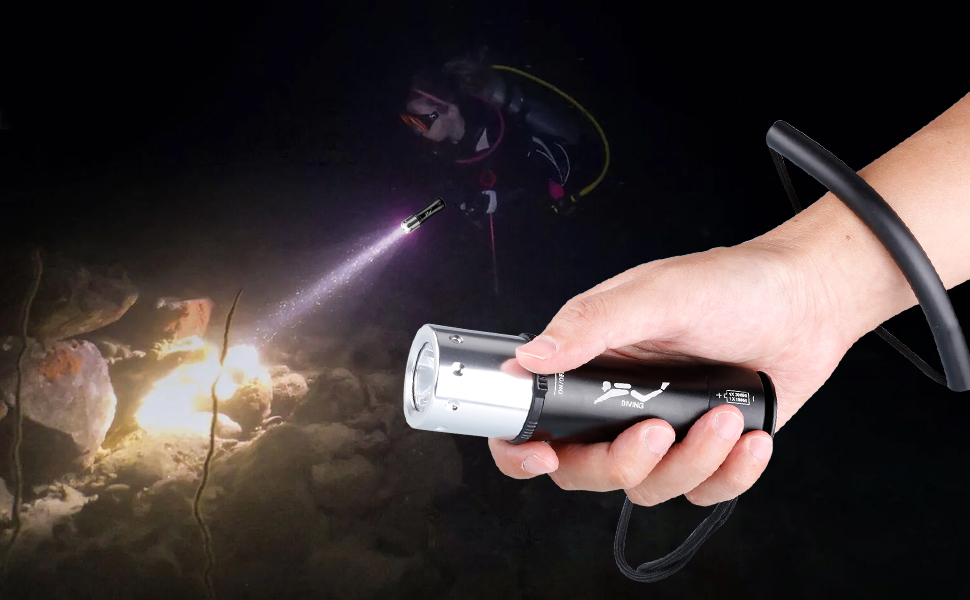
5. Secondary (Backup) Lights
A single light failure in a wreck can leave you in complete darkness.
-
Redundancy: Always carry at least one backup light, stored in an easily accessible location.
-
Different Beams: Having a backup with a different beam type can help in varied conditions.
Conclusion
A good dive light for wreck diving is about more than just brightness — it’s about control, reliability, and adaptability. By focusing on beam type, durability, battery life, and handling, you can explore deeper into wrecks with confidence and safety.


