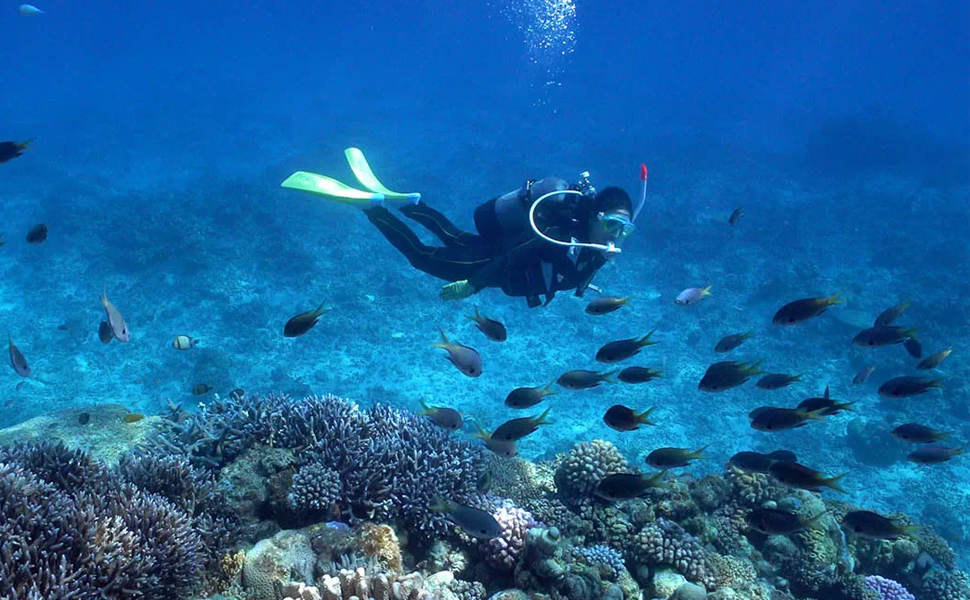
When divers descend into the underwater world, one of the most unpredictable factors they face is visibility. Clear water can suddenly turn murky, and what was once a calm dive can quickly become more challenging. Understanding why visibility changes and how dive lights can help makes underwater exploration safer and more enjoyable.
What Causes Changes in Underwater Visibility?
1. Water Movement and Currents
Strong currents or sudden shifts in water flow can stir up sediment from the ocean floor. Even in areas with normally clear water, fine particles can remain suspended, reducing visibility significantly.
2. Weather Conditions
Rainfall, storms, and wind on the surface impact the water column. Heavy rain often washes soil and organic matter into the sea, while waves can push sand and silt into the diving area.
3. Light Absorption with Depth
As divers go deeper, sunlight naturally diminishes. Red, yellow, and orange wavelengths are absorbed first, leaving the underwater world dominated by blues and greens. In deeper or darker environments, this makes it harder to perceive objects clearly without additional light.
4. Marine Activity
Schools of fish, plankton blooms, or even large marine animals can disturb the water. Some environments, such as kelp forests, may also create shifting shadows and sudden changes in brightness.
How Dive Lights Make a Difference
1. Restoring Natural Colors
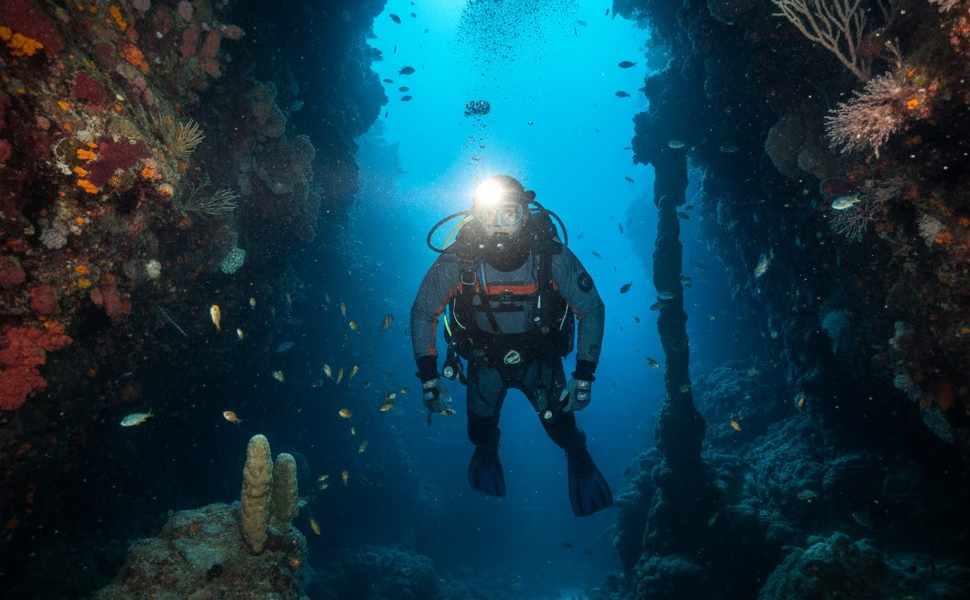
Dive lights bring back the reds, oranges, and yellows lost as you descend. This not only makes underwater scenery more vivid but also helps divers accurately identify marine life or read gauges.
2. Improving Safety in Low Visibility
In murky or silt-heavy environments, a powerful dive light helps illuminate suspended particles, allowing divers to navigate more effectively and avoid potential hazards such as rocks or wreckage.
3. Enhancing Communication
Divers often use light beams for signaling underwater. Whether it’s pointing out marine life or drawing attention to a buddy, lights serve as an essential communication tool in dim environments.
4. Adapting to Different Environments
Modern dive lights often feature adjustable brightness levels or beam angles. Wide beams are useful for illuminating large areas, while narrow beams provide focused penetration in turbid water.
Final Thoughts
Visibility underwater can change quickly due to natural and environmental factors. Having the right dive light ensures that divers are prepared to adapt, stay safe, and continue to enjoy the beauty of the underwater world, even when conditions shift unexpectedly.


